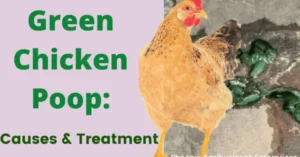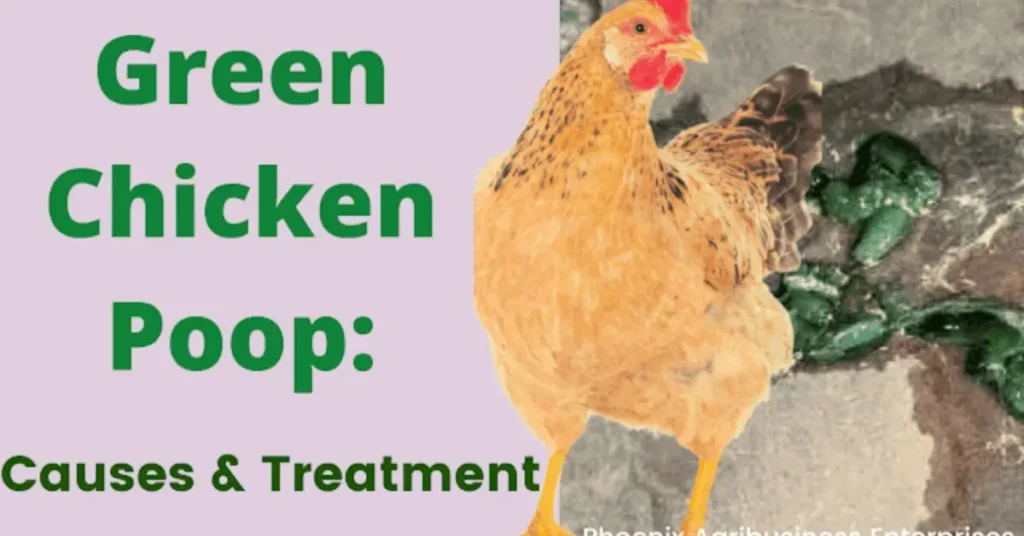
In this post, we will talk about why chicken poop can be green. This includes changes in diet, medications, and other health issues.
The colour of chicken droppings is usually a sign of how well the chickens are eating. If the chicken poop is brown, it means the chickens have been eating a diet of high fibre, which helps to keep them healthy. However, if they are producing green poop, there may be a problem.
What does normal chicken poop look like?
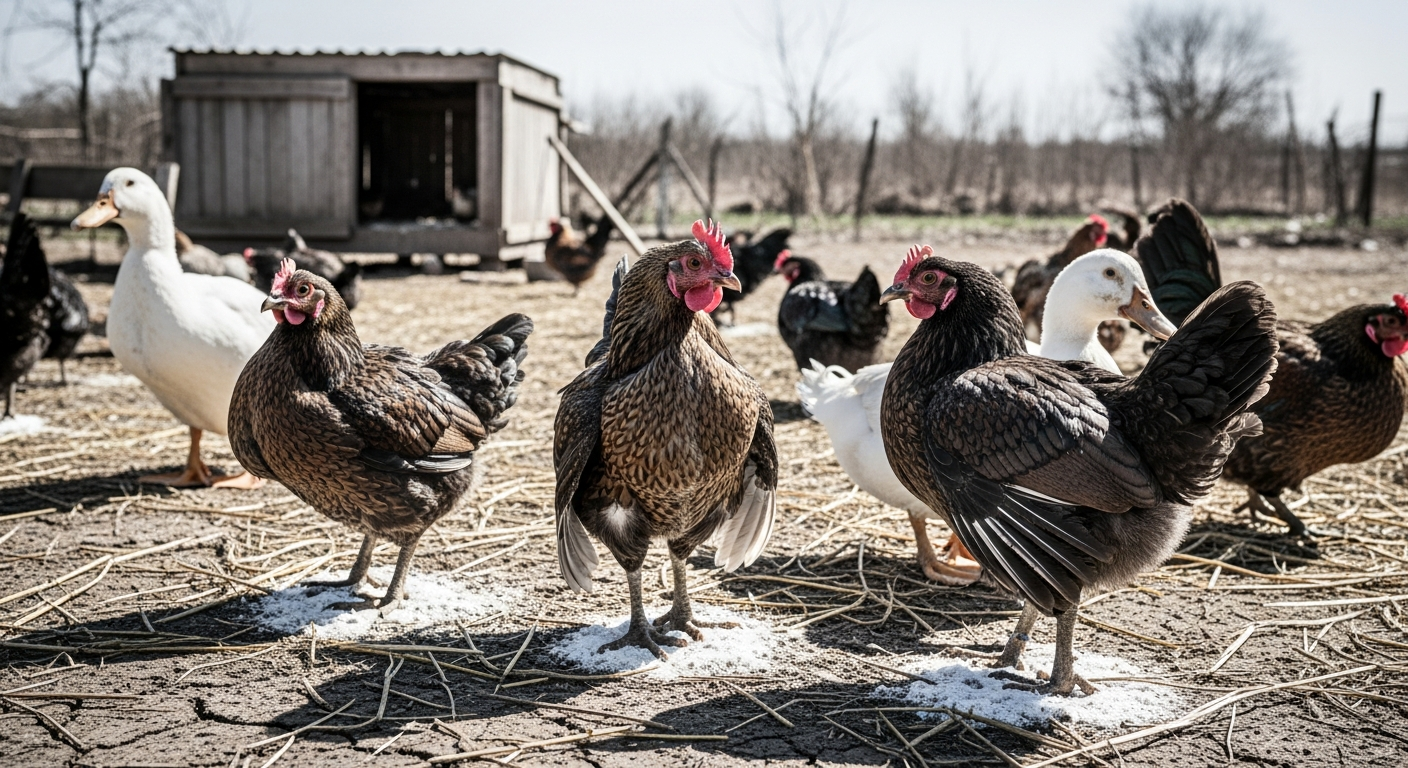
Normal chicken faeces are brown and have a white cap known as urate. Since chickens do not urinate, the urates come out with the faecal matter during excretion.
Unlike healthy chicken faeces, green chicken diarrhoea is characterised by a loose and watery consistency. This condition is often caused by diseases like Newcastle disease, Fowl cholera, Avian Infectious Bronchitis (IB), coccidiosis, and other pathogens.
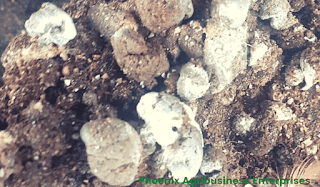
Normal chicken poop droppings
Dark green droppings can show that your chickens are not getting enough food or that they might be sick with illnesses like coccidiosis. It’s best to talk to a vet for the right diagnosis and treatment plan to keep your flock healthy.
White droppings in backyard chickens could mean they have worms or are sick. It’s important to see a vet for diagnosis and treatment.
Excessively green droppings in chickens may suggest they are eating too much grass or could be unwell. In such cases, consulting a veterinarian is recommended.
If you see a lot of yellow droppings, it might be because of too much grain in their food, or it could mean they are sick. A veterinary consultation is essential for accurate diagnosis.
Also read: White Diarrhoea in Poultry: Causes and Treatment
The good poo guide
Understanding chicken poop is important. Healthy droppings show that the chicken’s digestive system is working well. Normal chicken poop is typically brown, with a white cap known as urate. This urate is crucial as it signifies that the chicken’s body is effectively eliminating waste products.
A healthy bird usually makes about 10-15 droppings a day. The dropping’s texture can change depending on what the bird eats. A balanced diet with a mix of grains and greens will usually yield normal faeces.
If you see your chickens making droppings that are very watery or smell very bad, it might mean there is a problem with their digestive system. Watching your flock’s droppings helps you check their health and can also stop possible sicknesses.
If your chickens have green poop because of an illness or bad diet, it usually takes a few days to a week for their droppings to go back to normal after the right treatment.
This depends on what caused it and how healthy the bird is. Consistent monitoring during this period is important to ensure recovery and maintain optimal flock health.
THE BAD POO GUIDE
Green chicken poop is often a sign of underlying health issues and should not be taken lightly. Sometimes, you might see green droppings from changes in diet. But if the green poop happens a lot, it usually means there is a digestion problem or a disease, like Newcastle disease or fowl cholera.
The colour change typically indicates that the digestive system is struggling, which can lead to diarrhoea. Green diarrhoea in chickens can often come from bad nutrition or not having clean water. This leads to bile being released without enough food in the digestive system, which can make chickens feel tired.
If your entire flock is exhibiting signs of green droppings, it’s critical to act quickly and assess their overall health. Consulting a veterinarian can help pinpoint the cause and lead to appropriate treatment options to restore your flock’s health.
What causes green chicken diarrhoea?
Causes of Green Chicken Poop
- If chickens do not get enough important nutrients in their food, they will produce green chicken poop. Sometimes, this occurs because the chickens are not being properly fed, or their environment is dirty. Newcastle Disease (ND) can also be a factor resulting in abnormal faeces if the diet is not balanced.
- A diet with too much fibre can lead to a buildup of undigested food in the digestive tract. The resulting gas and diarrhoea can make a hen look like she’s about to die.
- Chickens excrete green poo when they eat too many leafy vegetables; it is also known as “chicken scours” or “scour”. When a chicken eats too many of these greens, it irritates its stomach and causes a lot of green, smelly diarrhoea. If your birds are in free range, and you discover they are passing out green poo, it might be because of the greens they ate.
- Green chicken poop may be a sign of illness or disease. If the chicken poo has a green tinge to it, then the problem may need to be addressed.
- Disease conditions such as Newcastle disease and fowl cholera can be the reason your poultry birds are producing greenish diarrhoea. If you want to know more about the cause of green chicken poop, here are some common reasons for green chicken poop:
Dietary changes
- Green poop in poultry can be a symptom of a digestive issue or disorder, and a poor bird’s diet. A diet with too much fibre can lead to green chicken poop, as can several other causes. Dietary changes often lead to green chicken poop.
Poultry farmers should give their birds and backyard chickens a balanced diet with enough fibre to keep their stools healthy.
If you feed your backyard chickens a lot of fibre, they will likely have more fibre in their poop. As a result, some people blame it on diet. Unfortunately, this isn’t always true.
2. Some other causes of chicken Diarrhea include parasites, stress, and, above all, diseases, especially Newcastle disease and Fowl cholera disease.
Newcastle Disease
One of the leading causes of green chicken poop is Newcastle disease. It is a viral disease that can spread from one bird to another through droppings. It can also happen in poultry due to starvation, causing symptoms like tiredness.
Certain strains of the Newcastle disease virus can be transmitted through dust particles. Contaminated equipment or clothing can also be transmitted via contact with an infected bird.
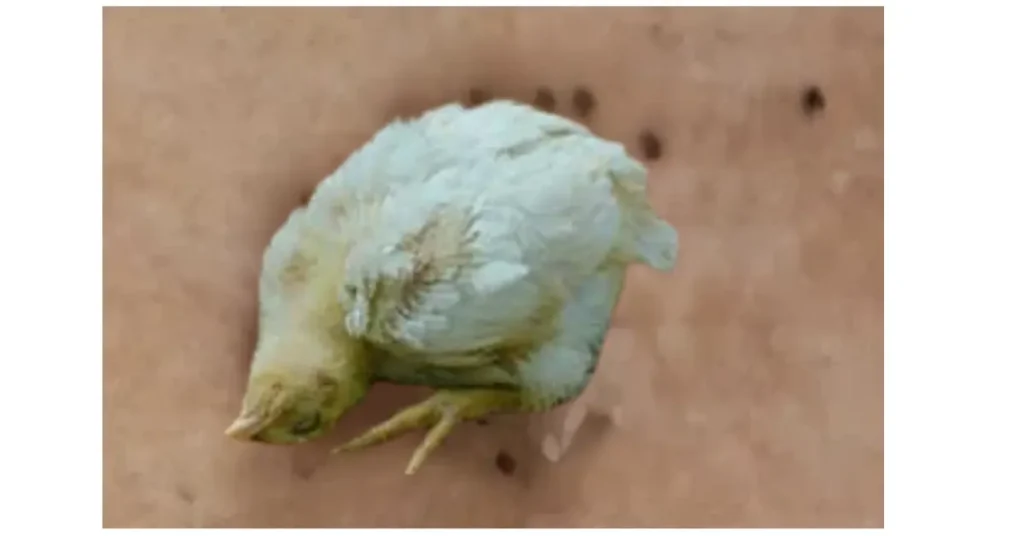
It is crucial to comprehend that Newcastle disease is not lethal as long as the flock is properly vaccinated. Some symptoms of Newcastle disease include:
• Weakness. High mortality
• Green diarrhoea.
• Breathing difficulties.
• Eggshell problems.
• Decrease in egg production.
• Partial or complete paralysis
• Sharp fall in egg production
• Body or head tremors and abnormal movements
• Twisting of the neck backwards between the shoulders.
• The mortality risk is 50% in young birds
• Unsteady gait or uncoordinated movement.
The egg production of laying hens may decrease or even stop completely. The eggs laid will have a thin shell and sometimes no shell at all, even after six weeks of laying. They may not reach the same amount as before the decline.
Also read: Preventing Gumboro Disease Outbreak.
Fowl Cholera
Another common cause of green chicken poop is fowl cholera. It is a bacterial infection that is highly contagious and caused by bacteria called Pasteurella multocida.
So, it is necessary to quarantine the affected chickens. They should stay in a separate cage or pen, which will help reduce the risk of the disease spreading.
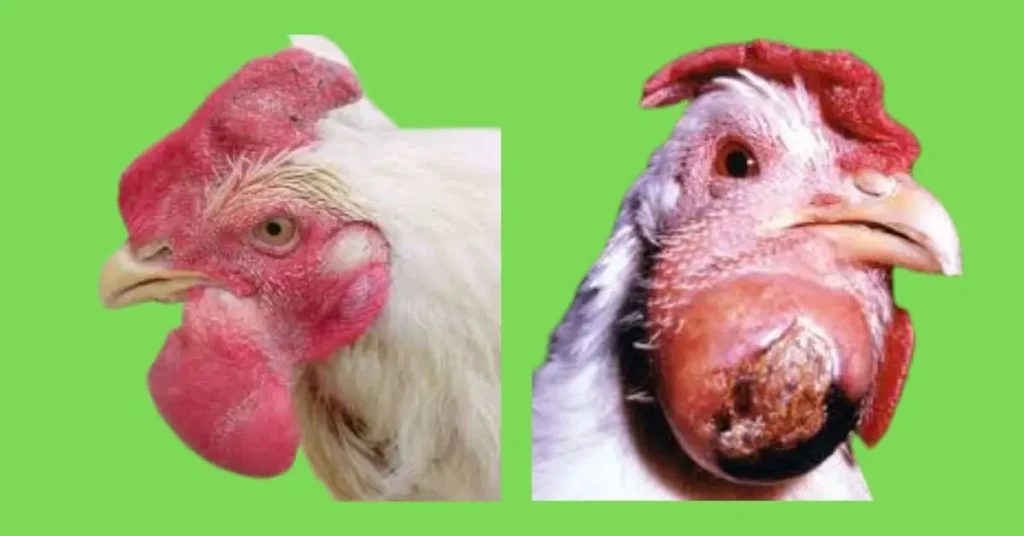
Direct contact with infected birds, contaminated equipment, and contaminated clothing can also transmit fowl cholera. Antibiotics can cure fowl cholera.
Fowl cholera is an infectious disease caused by Pasteurella multocida, a bacterium that usually lives in birds’ respiratory tracts.
It causes symptoms such as
• Green watery diarrhoea
• Breathing difficulty
• Increased mortality.
• Poor growth
• Swelling of the wattle.
• Feathers around the vent area may be dirty and stuck together.
• Loss of appetite
• Rapid weight loss
• Low egg production
• Paralysis because of inflammation of the legs
• Ruffled feathers
• In severe cases, fowl cholera can lead to death.
Infection occurs when droppings containing bacteria are inhaled into the lungs. The most common way to get infected is to come into contact with contaminated water or food. Other ways include direct animal-to-animal transmission.
What’s the Scoop on Chicken Poop? The digestive system is examined.
Understanding the digestive system of chickens is crucial for poultry owners. The digestive process starts when food goes into the beak and moves down the oesophagus to the crop, where it is kept for a short time. It then goes to the proventriculus, where digestive juices are added, and finally to the gizzard, which crushes the food.
This grinding process is aided by small stones or grit that chickens ingest. Once the food is broken down, it moves into the intestines, where nutrients are absorbed, and waste is formed. Good gut health is important for chickens. It affects their overall health and the quality of their poop.
Cleaning the droppings boards helps make sure that if the digestive system is working well, the poop will be well-shaped and have the usual brown colour with a white urate top. Any problem in this system can cause unusual droppings, like green diarrhoea, which can mean health issues that need quick help.
How do you treat green poop in a chicken?
Green diarrhoea in chickens can result from a variety of factors. It is essential to consult a veterinarian for proper diagnosis and treatment recommendations for green chicken poop.
The initial action in tackling this issue is to evaluate if your birds are eating a balanced and nutritious diet.
A diet lacking in essential nutrients or contaminated with harmful bacteria can contribute to diarrhoea in chickens.
Ensure that chickens have access to clean, uncontaminated drinking water, as chemical contamination can also cause diarrhoea.
Newcastle disease treatment options.
There is no treatment for the disease. The best way to prevent it is to make sure the birds and livestock are properly vaccinated. Keep the sick birds away from the healthy ones to stop the virus from spreading.
This means that you need to quarantine the birds for a certain period. During the isolation, you need to take care of the chick animal. You should also wash your hands after managing affected birds and poultry products.
It is essential to consult a veterinarian for proper diagnosis and treatment recommendations for Newcastle disease. For more information on Newcastle disease, refer to the Merck Veterinary Manual.
Treatment For Fowl Cholera.
While different antibacterial drugs can lower death rates from fowl cholera, it’s important to know that these drugs do not get rid of Pasteurella multocida in the flock.
Deaths can increase when treatment is discontinued. This highlights the need for comprehensive disease management strategies.
Sulfamethazine and sulfadimethoxine are sometimes used in feed or water to help manage mortality rates in poultry. These sulfa drugs should be used carefully in breeding animals because they can be toxic. They are not allowed to use in laying hens that produce eggs for people to eat.
According to the oxytracycline and chlortetracycline are approved for controlling Pasteurella multocida infections in poultry and may offer some benefit in these cases.
Penicillin might help treat infections in turkeys that resist sulpha drugs. However, using it this way is not officially approved.
A veterinarian should be consulted for diagnosis and treatment recommendations when dealing with fowl cholera. You can find comprehensive information on fowl cholera by consulting the vet.
NOT SURE WHAT THE PROBLEM IS?
If you’re unsure about the cause of your chicken’s diarrhoea, the first step is to evaluate their overall condition. Check for other symptoms such as lethargy, lack of appetite, or abnormal behaviour. It’s important to think about diet problems because changes in food can greatly affect poop and the kidneys, especially in farm animals.
If the rest of the flock appears healthy, you should still monitor the affected bird closely. Isolate it if necessary to prevent the potential spread of any infectious diseases.
If the diarrhoea persists or worsens, seeking veterinary advice is crucial for diagnosing and managing the issue effectively. Early intervention is key to ensuring the health of the entire flock.
PROBIOTICS FOR DIGESTIVE HEALTH
Probiotics play a significant role in maintaining digestive health in chickens. These live, nonpathogenic bacteria help to balance the gut microbiome, promoting a healthy digestive environment. Probiotics add good bacteria to the gut. This helps stop the growth of bad bacteria that can cause digestive problems.
Regularly including probiotics in your chickens’ diet can enhance their ability to absorb nutrients, thus supporting their overall health. Many chicken feeds sold in stores already have probiotics and prebiotics. This helps poultry farmers make sure their birds get these important things for good digestion.
It’s important to watch how the chickens react to changes in their diet. Make adjustments as needed to keep their gut healthy and reduce problems like green chicken poop.
FAQs About Green Diarrhoea in Chickens.
1. What are the symptoms of diarrhoea in chickens?
The most common symptom is a change in the colour of their droppings. Other symptoms include lack of appetite, weakness, loss of weight, and dehydration.
If your chicken is coughing, sneezing, or producing greenish-yellow diarrhoea, acting very sick, then it could be sick. Healthy chickens have a white colour (urate) to their brown poop.
2. What’s the difference between normal poop and green chicken poop?
Normal chicken poop is brown and very solid with a tincture of white cap known as urate. Any chicken poop that differs from the normal shows there is a problem.
Green chicken poop has a distinct green colour.
It also smells worse than normal poop, and it’s a sign that there is a problem.
3. What is green chicken poop?
Green chicken poop is the term used for the colour of the faeces that some chickens produce. It’s called green chicken poop because the poop is green.
4. What causes green diarrhoea in chickens?
Greenish diarrhoea in poultry is a common problem and causes serious losses. Greenish diarrhoea in birds can happen because of not enough nutrition, eating green vegetables, grass, seeds, or leaves, and due to diseases that may affect the intestines, which are important for digestion.
5. What are some of the most common health conditions that can cause green chicken poop?
Some of the most common health conditions that can cause green chicken poop include Newcastle disease, Fowl cholera, etc.
6. How do I know if my chickens have diarrhoea?
The easiest way to tell if your chickens are sick is to look at their droppings. If they are normally coloured, then they are healthy. If they are green, then my first thought is that they could indicate worms and are sick.
7. What are the best ways to treat green chicken poop?
The best way to treat green chicken poop in the chicken coop is to prevent it from happening. If your chickens in the coop have faced any of the reasons for green chicken poop mentioned above, they need to be treated for those issues before they get diarrhoea.
8. What if my chicken still has diarrhoea after the treatment?
If you have tried everything to stop green chicken poop and your chicken still has diarrhea, you might need to see your vet for more help. Your vet might suggest extra treatments, like an antibiotic shot, to stop more bacteria from entering the chicken’s body.
Conclusion
In conclusion, we think the causes of green chicken poop are like the causes of other types of diarrhea. To fix the problem, you need to treat the root cause and give your chickens a healthy diet.
Green chicken poop can be prevented if the chicken is taken care of properly with the use of droppings boards. A good and healthy diet will help them keep a healthy weight, remove toxins, aid digestion, prevent long-term illnesses, boost productivity, and make sure they drink enough water to stay hydrated.
Disclaimer
This blog post, ‘Green Chicken Poop: Causes & Treatment Options,’ is designed to provide general information only. It should not be used as a substitute for advice from a qualified veterinarian. Always seek a professional veterinary consultation for accurate diagnosis and treatment planning. Phoenix Agribiz Blog and its authors are not responsible for any losses, negative effects, or harm that may come from using or understanding the information in this article.
YOU MIGHT ALSO LIKE
3 Reasons Not to Keep Broilers for More Than 6 Weeks
How to Treat Green Poop in Chickens Naturally at Home
Broiler Feeding and Weight Chart
RECENT POSTS FACEBOOK POPULAR POST
Black Soldier Fly Larvae: The Chicken Feed Revolution?
Complete Guide to Piglet Nutrition: From Birth to Thriving Growth
Guide to Using Yellow and White Maize in Poultry Feed for Producers
9 Advantages of Battery Cage System for Layers