
White diarrhoea in poultry is a sign, not a diagnosis.
Farmers often see white droppings and immediately think of Pullorum disease. Pullorum is an important cause, especially in young chicks, but it is not the only possible explanation. Normal droppings already contain a white urate portion, and several diseases or management problems can make droppings look unusually white or watery.
Do not treat the colour alone. Look at the bird, the age, the flock pattern and the other signs.
This guide helps you work through the problem in a practical order. For a wider comparison of dropping colours, use our Chicken Droppings & Digestive Health guide.
What does normal chicken poop look like?
Normal chicken droppings are usually brown or greenish brown with a white cap. The white part is urate, because chickens pass urinary waste together with faeces.
So seeing some white in a dropping is normal. The concern starts when droppings become unusually watery, chalky, pasty, repeatedly white, or appear together with weakness, pasted vents, poor growth, reduced feed intake or mortality.
What can cause white diarrhoea in chickens?
Possible causes include:
- Pullorum disease caused by Salmonella Pullorum;
- other bacterial infections;
- severe intestinal or systemic disease;
- reduced feed intake, which can make urates more obvious;
- kidney or metabolic problems;
- stress and dehydration;
- diet or feed changes; and
- normal variation in droppings that is mistaken for disease.
That is why droppings alone cannot confirm the cause.
Pullorum disease: the classic “bacillary white diarrhoea”
Pullorum disease is caused by Salmonella Pullorum. It is particularly serious in young chicks and turkey poults.
The MSD Veterinary Manual explains that the disease can be transmitted from infected breeding birds through eggs and can also spread horizontally between birds and through contaminated surroundings.
Breeder-to-egg transmission, carrier birds and flock control need veterinary investigation.
What signs make Pullorum more suspicious?
In young chicks, watch for a combination of:
- white or chalky sticky droppings;
- pasted vents;
- weakness;
- huddling;
- drooping wings;
- poor appetite;
- poor growth;
- shrill peeping or distress;
- difficulty breathing in some cases; and
- increasing early mortality.
Adult birds may carry infection with fewer obvious signs, which is one reason breeder flock control matters.
White droppings do not always mean Pullorum
This point is important for smallholder farmers.
If birds are passing white droppings but are otherwise active, eating normally and not dying, the first step is to look at the whole picture rather than assume a severe bacterial disease.
Ask:
- What age are the birds?
- How many birds are affected?
- Are they eating and drinking?
- Is mortality rising?
- Are vents pasted?
- Are there respiratory signs?
- Has feed changed?
- Has water been interrupted?
- Are birds heat stressed or dehydrated?
Use our Signs of a Sick Chicken guide to organise the other signs you are seeing.
What should I do first if chickens have white diarrhoea?
- Check the birds before the droppings. Are they bright, weak, huddling, panting or dying?
- Check water immediately. Make sure drinkers are working and clean.
- Check feed. Confirm the correct feed is available and not mouldy or spoiled.
- Look at age and flock pattern. One abnormal dropping is different from many sick chicks.
- Separate obviously sick birds where practical.
- Record mortality and signs.
- Get veterinary help early if mortality is rising or chicks are weak.
Do not diagnose by colour alone
Green, yellow, white or watery droppings can occur with several different problems. Even serious diseases can share the same dropping colour. If you are also seeing green droppings, read our Green Poop in Chickens guide for the checks to make first.
Laboratory testing may be needed to confirm bacterial causes such as Salmonella Pullorum. Diagnostic methods can include culture, serology and molecular tests depending on the investigation.
For flock level disease control, the World Organisation for Animal Health provides background on Pullorum disease and its importance in poultry.
Can antibiotics treat white diarrhoea?
Antibiotics should not be used simply because droppings are white.
If a bacterial infection is confirmed, a veterinarian may recommend treatment based on the likely organism, approved products, withdrawal periods and, where available, antimicrobial susceptibility results.
Nigerian poultry research has documented antimicrobial resistance in Salmonella, which is another reason not to choose antibiotics by guesswork. See the Nigerian antimicrobial resistance study.
Confirmed Pullorum disease needs a different response. The MSD Veterinary Manual does not recommend flock treatment because it does not eliminate the carrier state. A veterinarian should direct testing and the appropriate flock-control response. The discussion of antibiotics for other bacterial causes is not a recommendation to medicate a Pullorum-positive flock.
What supportive care is reasonable?
While the cause is being investigated:
- keep clean water available;
- keep appropriate feed available;
- protect weak chicks from chilling;
- avoid overheating;
- clean pasted vents gently where necessary;
- keep litter dry;
- remove dead birds promptly; and
- reduce unnecessary movement between pens.
If a bird is too weak to drink or appears severely dehydrated, seek veterinary assessment promptly. This guide does not prescribe a fluid product or dose; supportive care must not delay diagnosis and disease-specific control.
What about garlic, ginger, bitter leaf or other home remedies?
Plant products are being studied in poultry nutrition and health, but study extracts and controlled diets are not the same as kitchen recipes.
No herbal mixture should be presented as a universal treatment for unexplained white diarrhoea.
If birds are weak, dying or continuing to pass abnormal droppings, do not delay diagnosis because a home preparation appears to improve the colour temporarily.
How can I reduce the risk of Pullorum and other diarrhoea problems?
- Buy chicks from reliable, traceable sources.
- Keep new birds separate where appropriate.
- Clean and disinfect brooders, feeders and drinkers properly.
- Keep feed dry and protected from contamination.
- Provide clean water.
- Control rodents and wild bird access.
- Remove dead birds promptly.
- Keep mortality and health records.
- Use our Poultry Biosecurity in Nigeria guide for a complete farm plan.
When should I call a veterinarian?
Get help promptly if:
- several chicks are affected;
- mortality is rising;
- birds are weak or not eating;
- vents are heavily pasted;
- there is severe dehydration;
- respiratory or nervous signs appear; or
- the problem continues after obvious management issues are corrected.
Frequently asked questions
Is white poop always Pullorum disease?
No. Normal droppings already contain white urates, and several health or management problems can make white material more obvious. Pullorum should be considered when the age, flock pattern and other signs fit, especially in young chicks.
What is the best medicine for white diarrhoea in chickens?
There is no one medicine because white diarrhoea has several possible causes. Identify the cause first. If a bacterial infection is confirmed, use veterinary guidance rather than copying another farmer’s antibiotic.
Can probiotics cure white diarrhoea?
Probiotics may support gut health in some feeding programmes, but they do not diagnose or cure every cause of white diarrhoea.
Can white diarrhoea spread from hen to chick?
Pullorum disease can spread vertically from infected breeder hens through eggs. That is why breeder flock testing and hatchery control are important.
Bottom line
White diarrhoea is a warning sign, not a final diagnosis.
Start with the bird’s age, flock pattern, feed, water, behaviour and mortality. Pullorum disease is one important possibility in young chicks, but do not treat every white dropping as Pullorum.
Veterinary disclaimer: This guide is for farmer education and early decision making. It does not replace flock examination, post mortem diagnosis, laboratory testing or treatment advice from a qualified veterinarian.
Related Posts

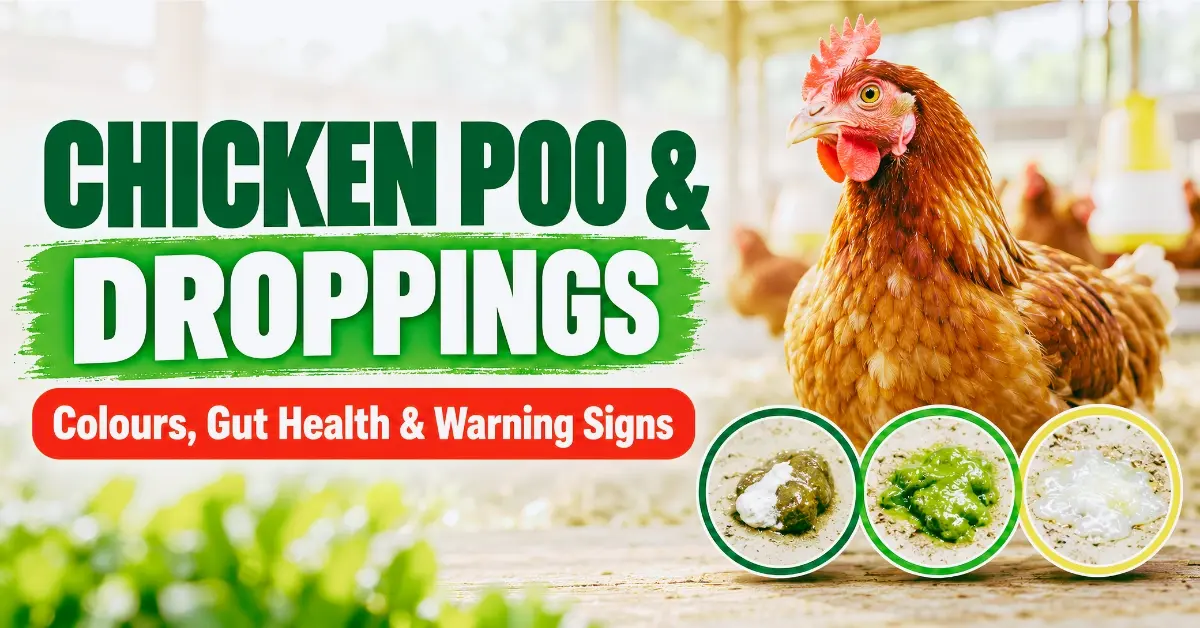
What Is Your Chicken Poo Telling You? Colours, Gut Health & Warning Signs
Infectious Bronchitis in Chickens: Coughing, Egg Drop, Diagnosis and What Farmers Should Do
Why Are My Chickens Panting, Pecking, Growing Slowly or Dying?
Respiratory Diseases in Chickens: Symptoms, Causes, Diagnosis and What Farmers Should Do
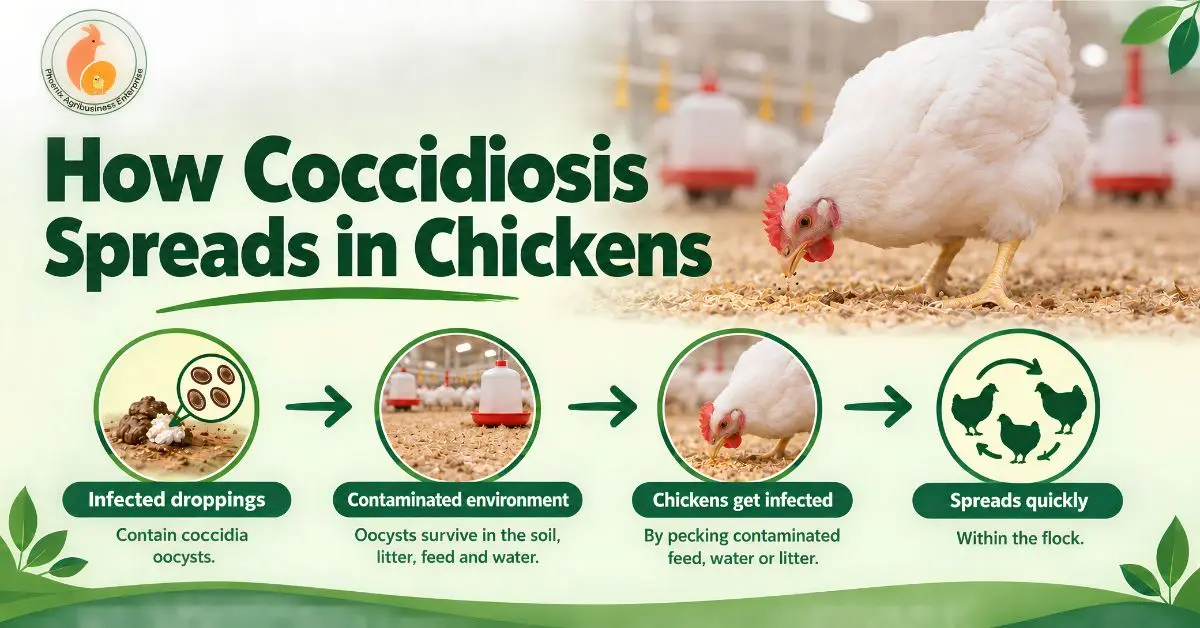
How Coccidiosis Spreads in Chickens: Understanding the Eimeria Lifecycle
CRD in Chickens: Mycoplasma Symptoms, Why It Keeps Coming Back and What Farmers Should Do
Chicks Gasping and Dying? Aspergillosis (Brooder Pneumonia), Mould Risk and What Farmers Should Do
Newcastle Disease in Chickens: Signs, What Farmers Should Do, Diagnosis and Prevention


One Comment
Thanks it was helpful