Disease prevention in poultry is essential to maintain the health and profitability of a poultry operation. To keep your poultry safe and healthy, it is important to have the right vaccination plan, biosecurity measures, and flock management practices.
Read also: Tips on Preventing Vaccination Failure on Poultry Farms.
An important aspect of poultry health includes maintaining good sanitation in farmhouses and the environment to prevent disease outbreaks. Poultry hygiene and vaccination play critical roles in disease prevention.
The performance of your birds is critical to their health, and the hygiene of your farm is
important to the quality of the health of your birds.
We’ll discuss how farm hygiene and vaccination are important for your birds’ health in poultry farms. Don’t miss out Preventing Gumboro Disease Outbreak.
What is Poultry Disease?
Poultry diseases are various illnesses caused by viruses, bacteria, fungi, and parasites. They can harm the health of your poultry.
Birds can be affected by different diseases, which can have a significant impact on their performance and well-being.
Health issues can lead to various problems, such as decreased egg production, poor egg quality, higher feed expenses, lower meat quality, weight loss, and even death.

What are the causes of disease in poultry?
Importance of Disease Prevention on Poultry Farms
Preventing illness in poultry farming is crucial. It keeps animals healthy, reduces antibiotic use, saves money, improves food safety, preserves genetic diversity, and promotes sustainability.
Poultry farmers can prioritize disease prevention to protect the health of their flocks, increase productivity, and contribute to a thriving poultry industry.
Preventing Disease through Hygiene.
Hygiene plays a key role in disease prevention in poultry production. Hygiene means keeping the environment clean and free from dirt, germs, bacteria, etc.
Let us look at some biosecurity measures that you should take to prevent diseases and keep your birds healthier.
Restricting Human Movement
Man is often the carrier of pathogenic germs from one form to another. Build fences to protect your farm against any intruder, man, or animal.
To protect your farm, it is essential to prohibit visitors from entering. However, if it is essential, make sure they change their clothing and sanitize their footwear thoroughly before entering your farm.
Footbath.
Always place a foot-deep with disinfectant at the disinfecting facility and the poultry house’s entrance. Footwear only to be used upon entering the poultry house should also be available.
Ventilation Inlets.
The best way to control the entry of pests and insects into the farm is to make the ventilation inlets and other openings of the farm bird-proof, to combat the problem of penetration of vermin as much as possible, as well as to control the entry of flies and other insects.
All-In-All-Out.
Using the all-in-all-out system for poultry management, you can efficiently rear birds of the same age in one place and eliminate having birds of different ages in the same farmstead.
Preventing the transmission of diseases from older birds to younger ones is crucial, as is promptly recognizing symptoms of illness in a flock of chickens.
Cleaning/Disinfection.
To avoid new infections in the pen, clean the poultry house after each production cycle.
You’ll need to remove the remaining birds and their litter, place them some distance away and take all equipment to a place where it’s not in use until you’re ready to reuse it.
Wet Cleaning.
Ensure you clean the floors, equipment, beds, cages, and nesting materials. Using large quantities of water at the start of the clean operation will remove many potentially pathogenic microorganisms.
The wet cleaning should start by soaking the house and equipment with water. Soaking time should be at least three hours. Add detergents to loosen the dirt, then clean the equipment with a high-pressure sprayer.
Disinfection.
Unblock the drainage system, disinfect the drain and flush with water. You should use a broad-spectrum disinfectant with the following attributes:
1. Stable for the atmosphere and during storage.
2. That is readily soluble in water for ease of application.
3. That is non-corrosive for equipment and tools.
4. Readily available and safe for men and animals without residual toxicity.
After disinfection, the house should stay empty for a while, preferably 14 days, to
reduce germ activity.
Disease Prevention in Poultry through Vaccination.
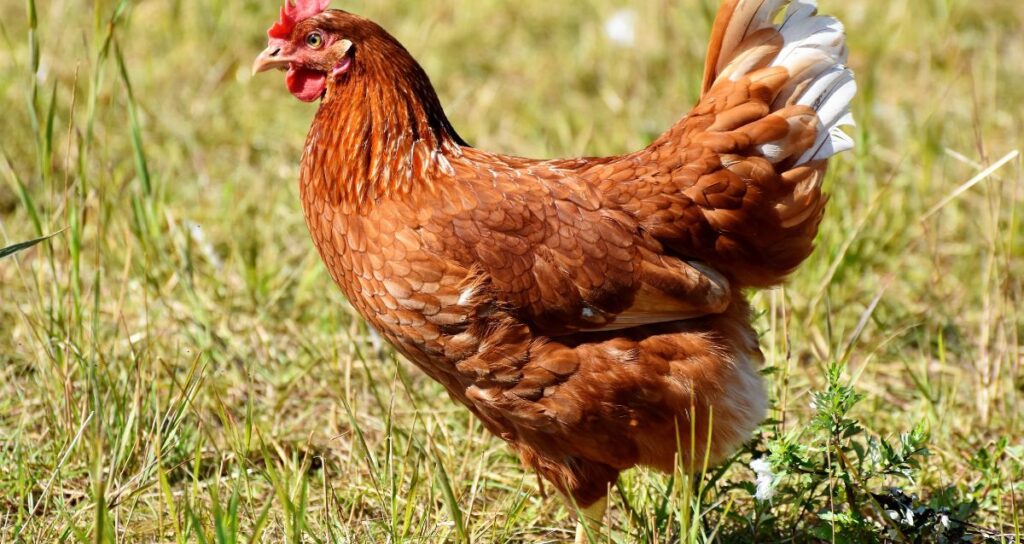
Poultry vaccination protects chickens, turkeys, ducks, and other poultry species from various infectious diseases.
Vaccination helps prevent disease outbreaks, reducing mortality rates, improving flock performance, and minimizing economic losses for poultry producers.
Many diseases can affect your poultry flock. You must prevent these diseases by administering the vaccine to your birds to protect against these diseases.
Disease prevention in poultry farms vary widely between locations, but in every case, the
challenge is to be able to identify and control those diseases. The type of vaccine you use depends on the disease.
Importance of poultry vaccination.
Some of the importance of vaccination in poultry disease prevention include.
•Improved feed conversion and egg production.
•Prevents infectious diseases such as Newcastle disease, Gumboro disease, salmonella, infectious bronchitis, Avian influenza, Infectious coryza and many other diseases from spreading.
•It can help keep poultry disease-free by preventing them from becoming sick.
Precautions to be followed during vaccination
•Avoid overcrowding
•Minimizes stress during vaccination by gently handling birds.
•Do not vaccinate during extreme weather, such as extreme heat, cold, or rain.
•Always keep vaccines in a fridge at 4 degrees Celsius.
•Do not vaccinate sick birds, only healthy ones.
•Discard leftover vaccine and its container safely.
•Administer anti-stress drugs through the water for three to five days before and after vaccination.
Conclusion
To prevent diseases in your poultry farm, vaccinate your birds regularly and maintain good sanitation and hygiene practices.
Without proper care and vaccination, the disease can cause severe problems and even death for your flock.
Disclaimer: Phoenix Agribiz blog does not intend to provide any kind of veterinary suggestion. The content of this website is not meant to be a substitute for professional medical advice. Always ask a veterinarian for help regarding your birds