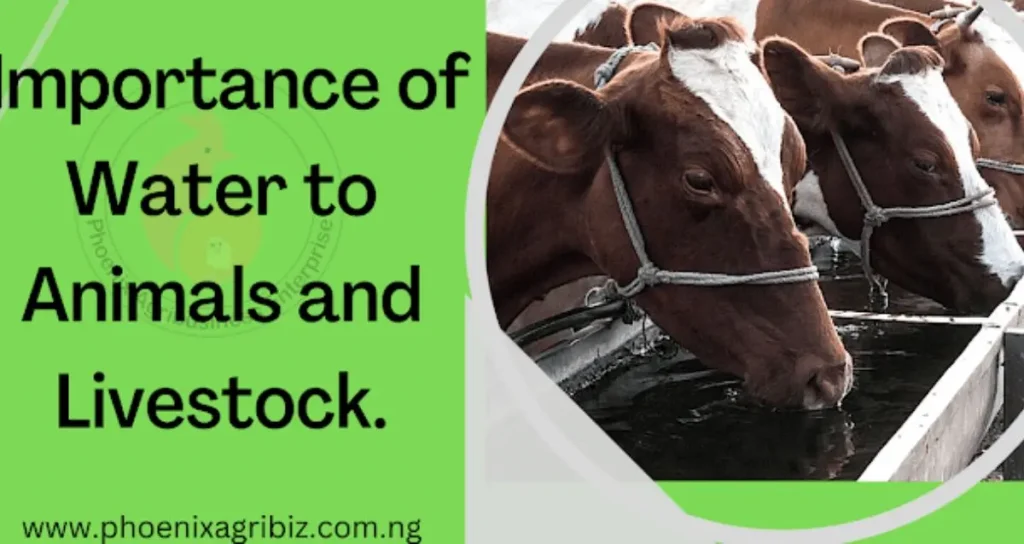
The importance of water to animals and livestock is a matter of life and death. It’s therefore necessary to understand the role it plays in their health and well-being. Water is the most important nutrient for animals and the most essential for the well-being of livestock.
In this blog post, we will look at why water is important for animals and livestock. We will also discuss how to make sure they have clean, fresh water to drink.
Read Also: Water quality management for catfish hatcheries
What is water?
Water is the most essential nutrient for animal survival. It’s the basic building block of our bodies, which makes up nearly 70% of our body mass. If you want to understand what matters for an animal’s body, you should learn about the importance of water and its role.

The Impact of Water Quality on Livestock
The quality of water is crucial for livestock health and productivity, impacting everything from growth rates to reproductive performance. Clean, fresh water is essential as it directly affects the overall well-being of farm animals.
Bad water can cause health problems like stomach diseases and lower feed use, which can lead to financial losses for farmers. Additionally, access to high-quality water helps ensure that livestock are hydrated, supports digestion, and improves nutrient absorption.

What is the Importance of Water Quality for Animals?
Water quality and salinity are extremely important for the health and well-being of animals. Here are some key reasons why:
– Hydration – Animals need access to clean, contaminant-free water to stay properly hydrated. Dehydration can cause serious health issues.
– Nutrient Absorption – Many nutrients are absorbed by the body when dissolved in water. Poor water quality interferes with nutrient absorption and can have a detrimental effect on animal health.
– Toxin and Disease Risk – Pollutants such as heavy metals, pesticides, and bacteria in water can harm animals when they drink it.
– Organ Function – The kidneys, liver and other organs need water to function properly and flush out toxins. Inadequate water intake negatively impacts the health of our organs, including the pH levels necessary for optimal function.
– Digestion – Water is essential for digestion. Dehydration or contaminated water can lead to constipation, diarrhoea, and other digestive problems.
– Egg/Milk Production – For animals like chickens and cows, how much water they drink is linked to how many eggs or how much milk they produce, especially when it is very hot. Insufficient access to clean water adversely affects productivity.
– Behaviour and Stress – Not enough water or dirty water can change how animals feed and socialise, and it can cause stress.
– Growth and Development – For young, growing animals, clean water is critical for growth and development.
Providing abundant, fresh, uncontaminated water is vital to keep animals healthy, productive, and thriving.

Water Testing for Salt and Toxins
Regular water testing for salt levels and toxins is essential for maintaining the health and well-being of animals. High salinity in water can lead to dehydration and decreased consumption, impacting overall animal performance.
To protect against these risks, farmers and animal caretakers should regularly test for harmful substances such as heavy metals, pesticides, and bacteria. Various commercial test kits are available that allow for quick and efficient analysis of water quality right on-site.
By checking water sources like wells, ponds, and city supplies, you can make sure your animals have safe drinking water. This helps to lower the chance of sickness and supports healthy growth and good production.
Sources of water for animals.
Some sources of water for animals include rain, lakes, dams, waterfalls, streams, rivers, ponds, wells, and so forth. They can also get water from the food they eat, like fruits, plants, and water made when nutrients break down.
If you’re concerned about the water quality for your animals, you can check the water for harmful substances with a water test kit.
Ways to Create Wildlife-Friendly Water Sources (Gardens, Meadows, Puddling Stations)
Making water sources that help wildlife in your garden or meadow is a great way to support local nature and attract many animals. One simple method is to include shallow puddling stations, which can be as easy as an old birdbath or a flat stone dish filled with water.
Ensure that these areas feature varying water depths to accommodate different animals. This allows butterflies, bees, and other insects to drink safely without the risk of drowning.
Furthermore, planting native species nearby will provide shelter and food sources, further enhancing the habitat. Native plants collect rainwater runoff and filter it naturally, while also creating pools that benefit frogs and other animals.
Finally, think about adding small ponds or water features with gentle slopes and water plants. These can copy natural habitats and provide a place for many animals to live. By using these strategies, you will create a friendly space that helps wildlife and improves the variety of plants and animals in your garden.

Importance of Water to Livestock Animals
The benefits of body water for animals are:
1. It helps the animal to maintain a normal body temperature.
2. It helps to keep the muscles, skin and hair in good shape.
3. It prevents diseases and illnesses, including issues related to insufficient saliva.
4. It keeps the digestive system working properly.
5. It helps to prevent dehydration.
6. It helps to cleanse the body.
7. It keeps the nervous system working well.
8. It keeps blood circulation flowing properly, and due to the high specific heat of water, maintains this balance effectively.
9. It cleanses the internal organs and helps to eliminate impurities.
10. Animals need water to maintain the correct balance of fluids within their bodies.
11. It gives strength to the bones and joints.
12. It is essential for the health of the skin, eyes, and immune system.
13. It also helps regulate the acidity level in the blood.

Water Restriction and Toxicity
Water shortages negatively impact both pets and wild animals. It can make them unhealthy, and sometimes, they may die from not having enough food, water, or from harmful substances.
The first signs of dehydration are changes in behaviour. These include less activity, lack of interest, tiredness, eating and drinking less, and different postures.
When an animal species gets to this point, it responds less to things around it. It may become aggressive or even die from kidney failure or organ failure because of toxins from dehydration.
Multiple factors contribute to water scarcity, such as drought, low precipitation, excessive water usage, and water contamination.
The more water the animal consumes, the healthier it will be. When an animal is healthy, it produces more meat, milk and eggs.
How much water do animals need?
The amount of adequate water that livestock drink is a key factor in the production of meat, milk, and eggs. This is especially true for cattle, which must be fed and watered during the day.
If they don’t have a sufficient water source to drink, they will lose weight and will eat less. Some animals are more prone than others to dehydration.
Domestic animals such as horses, dogs, cats, birds, and some types of fish need a lot of water to keep their bodies hydrated.
However, certain animals require less water than others. Some species, like goats, don’t drink water because they get enough salt from their food. Therefore, it is important to know how much water your animals need.

Factors that affect the water intake of livestock
Things that can affect how much water an animal drinks include diet, health, type of drinker, living situation, age, weight, and temperature.
1. Environmental Temperature
The water consumption rate of livestock is affected when the water is too hot because of the environmental temperature.
There is a correlation between the animal’s water intake, feed consumption, and environmental temperature. In other words, the greater the amount of water they drink, the less feed they need.
When the temperature goes above 32°C, chickens will drink 50% more water than they do at 26°C. If your chickens live in a warmer region, you might need to change how much water they drink.
2. Drinker Type.
Another factor that determines the water requirement of livestock is the type of drinker used. It matters in determining how much water each animal will drink.
The water trough is a structure specifically designed for animals to drink from. However, if you use a bucket, they will also drink from it. But the water may not be enough and convenient for them. Place the water trough close to the animals so they can easily and consistently access water when needed.
3. Body Weight.
The weight of an animal is important in determining water requirements. Bigger animals need more water to stay healthy than smaller animals. A small animal, such as a goat or a pig, will have a low body mass and will need less water than a large animal like a horse or a cow.
4. Health Status of the Animals.
The health of livestock has a direct effect on the water consumption rate. Sick or injured animals often can’t drink as much water as healthy ones, especially if there are sulfates in the water. They will have a lower water consumption rate and need to drink less.
You should be mindful of the water you give them because they can get sick from drinking dirty water. It is important to make sure there is enough water for them by giving a fresh, clean water supply all the time.
5. Type of Diet
Water requirements are affected by what the animals eat. Animals eating grain, like corn or wheat, need more water and moisture than those that eat a lot of grass.
Some animals, such as poultry, consume more water when fed high-energy feed than they do when fed low-energy feed. Animals that eat a lot of feed will need a lot more water than animals that eat a lot less.
6. Age of the animal
Animals of all ages have different needs and requirements for water. However, young animals usually require less water than older animals due to the importance of these different sources. The reason for this is that they have more room to grow. They are smaller and need less water to grow.
A baby animal may need less water than a full-grown animal under certain environmental conditions. This is because babies have a lot of undeveloped tissue and are growing quickly. Older animals, however, have more muscle and tissue.
Water’s Role in Preventing and Managing Specific Animal Health Issues
Water’s pivotal role in preventing and managing specific animal health issues cannot be overstated. Drinking enough water is important for keeping body temperature right, especially for animals in hot weather, because it helps avoid heat stress.
Moreover, water aids in the digestion process, allowing animals to effectively absorb nutrients and maintain a healthy weight. When animals are dehydrated, they are more likely to have health problems like kidney issues and urinary tract infections.
Also, having clean water sources lowers the chances of stomach diseases since dirty water can carry harmful germs. Overall, water is not just a basic necessity; it is a fundamental component of animal welfare and health management strategies.

Frequently Asked Questions (FAQs)
1. How can you Improve Livestock Water Quality?
There are many ways by which you can improve water quality for livestock, some of these are;
Water treatment plant
A water treatment plant is a structure that houses equipment to treat the water. Besides water treatment, you can boil the water to kill germs.
Water Boiling
The simplest way to kill germs and bacteria in the water is to boil the water. Before boiling water, check if it is safe to drink. Unsafe water can affect how much farm animals eat.
UV sterilization
It is a process where water is exposed to ultraviolet rays. These rays help to kill germs. If you have a water treatment system at home, it’s usually a good idea to use it with different types of water. If you don’t have a water treatment system, you can boil the water.
Reverse osmosis.
Reverse osmosis is one of the most effective ways to treat water, minimising heat loss during the process. This system uses a membrane to filter water. The membrane allows water molecules to pass through while blocking waste materials.
If you have a well, then you can use reverse osmosis to filter the water for your livestock. This method is very effective because it removes many contaminants from the water.
Chemical treatment
Chemical treatment is another method to kill germs and bacteria. The process is simple and effective. In this method, you will need to mix chemicals in the water, which can influence metabolism. This can be used for both livestock and animals.
2. What is the importance of water for livestock?
It is not uncommon for livestock to become sick when drinking water containing impurities, toxins, and nitrates. For this reason, it is crucial to prioritise the quality of water you provide to your livestock.
Providing clean water free of germs, dirt, and harmful substances is crucial for protecting people from diseases and even death.
Some of the common diseases caused by bacteria and parasites in livestock are diarrhoea, listeriosis, and salmonellosis. Diseases like these can cause livestock to lose weight and die.
3. What should you do if you suspect your livestock are drinking dirty water?
If you think there is an issue with your water supply, be sure to change the water often. A Guide to Poultry Nutrition: Remove the dirty water before your animals drink it, and take your animals to a vet as soon as you can. The veterinarian will determine the type of disease, including potential problems from toxic algae, that your livestock is suffering from.
Conclusion.
Animals such as cows, ruminants, chickens, dogs, cats, horses, and pigs are all very different animals. They all need different amounts of water to breathe, live, and survive. To ensure that these animals stay healthy and survive, they must have access to clean, fresh water.
Animals cannot drink dirty water; it will influence the development of certain waterborne diseases that can affect their health. You can use a water treatment system to make sure that the water in your barn is safe for your livestock to drink.
Disclaimer
This article is for learning only and should not replace advice from a vet. Always talk to a qualified veterinarian for any health problems or before deciding how to care for or treat your animals.