How would you solve a wet litter problem on a poultry farm? We need to know why you’d want to solve the damp litter problem to find out.
Any farmer aiming for profitability will prioritize the health and productivity of their chickens. A wet litter issue presents a significant obstacle to achieving that goal.
Contents
1. What is wet litter in poultry?
3. Effect of wet litter in poultry houses
What is wet litter in poultry?
The term wet litter describes poultry litter that is wet or caked and causes several bird health conditions, welfare concerns, and environmental health issues.
Wet litter indicates a high moisture content in the manure, providing an ideal environment for bacteria to thrive and multiply rapidly. This not only exacerbates the unpleasant conditions but also heightens the risk of numerous health issues in poultry.
Causes of wet litter in poultry houses
Many factors may influence wet litter in poultry houses, some of the most common ones include:
• Digestive upset.
• Nutritional imbalance.
• Diseases.
• Drinking spillage.
• Poor housing design.
• Humid weather.
• Inadequate litter water storage capability.
• High relative humidity.
• Low calcium levels.
• Lack of adequate ventilation.
• Weather and environment.
• Inadequate ventilation.
It’s important to note that not all birds will exhibit signs. However, if you notice that some of your birds are showing signs of wet litter, then it’s crucial to check whether you have any of these problems.
Effect of wet litter in poultry houses
When poultry birds, particularly broiler chickens, live on wet dirty bedding, it puts their digestive systems under stress.
The birds’ quick absorption of nutrients through their digestive system increases their susceptibility to illnesses such as salmonella, E. coli, and campylobacter.
These diseases can have a detrimental effect on the birds’ reproductive capacity, leading to a loss of income.
Wet litter leads to the production of Ammonia gas, which is one of the leading causes of respiratory problems in both humans and animals.
When the litter becomes wet, it generates heat and creates an elevated temperature inside the house. This hot temperature causes stress in the birds which in turn affects the performance of chicken.
.png "Chickens on fresh litter material.")
How to prevent wet litter in the poultry pen
Firstly, identify the cause of the problem, so that you can control it. Regularly cleaning and replacing the litter with fresh and dry materials will enhance the birds’ mobility and performance.
Many management strategies impact the effect of wet litter, one of them is cleaning out the litter. If you own chickens, it’s crucial to clean their litter weekly. This practice significantly lowers the risk of diarrhoea among your flock.
The next step is to cover the litter with dry litter material to prevent moisture from building up. Moist litter elevates pathogen levels, necessitating complete removal to mitigate the risk of disease outbreaks.
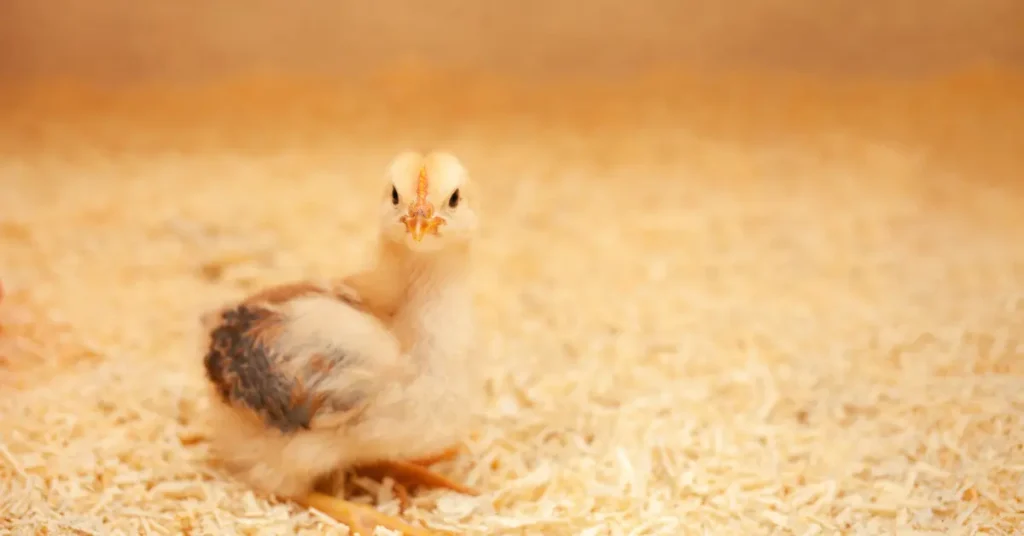
Most of the time, the litter gets wet and emits ammonia gas. Some people think that it’s normal and do nothing about it. A simple solution to this problem is to use high-quality dust-free litter like wood shavings or pine.
Both functions serve as moisture reservoirs while effectively lowering ammonia levels before it disperses into the air. The key takeaway is to maintain a low moisture level in the litter to protect the birds from ammonia exposure.
To avoid the wet litter problem, ensure you follow the recommended space requirements for different poultry birds. Chicks, grower pullets, and broilers all have different stocking recommendations.
To avoid having the litter being wet, provide birds with a balanced diet. To do that, feed them well-balanced and nutritious foods. You can feed them fruits, vegetables, grains, and proteins.
Ensure you provide appropriate nutrition that is gentle on their system, preventing any irritation that could lead to diarrhoea.
When designing a poultry house, consider the internal temperature; it will influence the optimal bird capacity. Overcrowding can result in a rise in litter moisture, which can be detrimental to the health of the birds.
For instance, chickens seldom prefer living in excessively warm houses; therefore, it is crucial to arrange your poultry house to maintain a temperature that ensures their utmost comfort.
If you have chickens that produce substantial amounts of urine and/or faeces, you will need to provide adequate ventilation.
A well-ventilated poultry house keeps air flowing throughout the whole house, keeping the air fresh, bedding dry and free of disease-causing bacteria.
Ventilation will help maintain a dry environment in the coop. In addition, ventilation will help reduce the build-up of ammonia and odour.
FAQs on wet poultry litter problems
1. How can I tell if my birds are producing wet litter?
The best way to tell if your birds are producing wet litter is to check their droppings and their texture. If the litter is caked and produces a strong odour, then you’re probably dealing with wet litter.
2. What is the common symptom of a wet poultry litter problem?
3. Why is it important to solve a wet litter problem?
For poultry farmers, dealing with damp bedding is a significant issue. Wet litter not only poses a threat to the chickens’ health, as it becomes a breeding ground for diseases, but it can also lead to sickness and death among the flock.
4. How would you solve a wet litter problem?
The first step to solving a wet litter problem is to determine the cause. It may be caused by:
a) Too many hens in the pen
b) Inadequate ventilation
c) Health and disease issues.
5. What is the best way to deal with wet litter?
There are several ways to deal with wet litter, amongst which are: cleaning up the mess and spreading fresh litter materials.
Second, consider a different type of litter material because the material used may have inadequate capability to absorb moisture, and third, provide adequate ventilation.
Conclusion
Poultry requires a dry environment to stay healthy, therefore, it is necessary to remove wet litter and replace it with dry litter materials regularly.
This will help to remove the moisture from the litter, reduce ammonia concentration and keep the birds healthy.
Disclaimer
The information in this article is for educational purposes only and should not be considered a substitute for professional veterinary or nutritional advice. Always consult with a qualified expert for any concerns or before making any decisions regarding the care or treatment of your animals.