Have you ever wondered why your hens are not laying eggs? Or why aren’t they producing as many eggs as they used to? If so, then you have come to the right place!
This article will help you understand why your hens aren’t laying eggs and how you can solve this problem.
If you are one of those farmers who are suffering from egg production problems, then this article will help you understand why your hens are not laying eggs and how you can solve this problem.
Are your hens not laying eggs?
There are several reasons your chickens are not laying eggs well. If you want to know what the problem is, understand the different reasons for poor egg-laying behaviour in hens.
Here we will describe the various causes of poor egg-laying behaviour in a hen.
Nutritional Deficiency
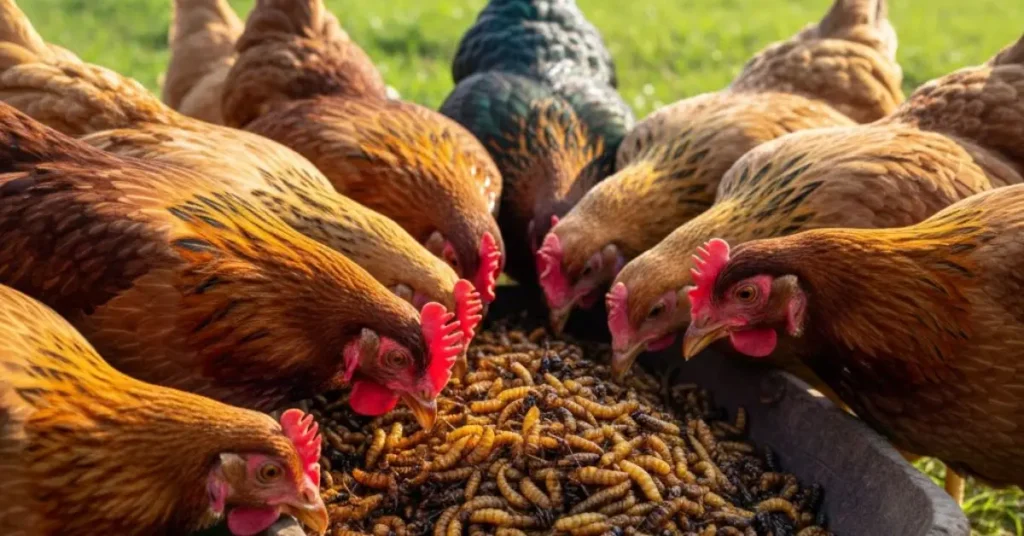
It is possible that your hens might not lay at all if you do not give them a balanced diet. The layer hen requires a balanced diet for it to lay properly, and you should feed them at least twice a day.
Make sure that your hens are getting enough to eat. If they aren’t getting enough, they will be stressed and won’t lay as many eggs as they can.
To create your own feed, it is crucial to source your feed ingredients from a trustworthy commodity supplier or a renowned feed mill.
You should know the consequences of poor-quality feed if you are into commercial egg production.
Feed your hens a calcium-rich diet to get them to start laying eggs again within a few days. However, if they’ve been on a calcium-deficient diet for a while, it may take longer.
The health condition of the hen.
Sick hens lay fewer eggs due to illnesses like salmonellosis, colibacillosis, Newcastle disease, and egg drop syndrome.
If you want to increase the egg production of your hens, make sure they are in good health and free from all disease conditions.

The environment in which the hen lives.
Have you ever wondered why hens eventually cease to lay eggs? In most cases, the answer is simple: stress. When a hen is stressed, her hormones are thrown off balance, and she will not lay as many eggs as she can.
When hens reside in pristine and peaceful habitats, they produce superior-quality eggs. Hens that live in an unpleasant environment lay poorly. Therefore, make sure your hens are living in a suitable environment without stress.
Molting Hen doesn’t lay eggs
A molt is the shedding of feathers from an animal’s body. It occurs when a bird sheds its old feathers and replaces them with new ones. However, some birds go through moults too frequently, and this can cause problems.
Hens are very sensitive to changes in their environment, and if they don’t have enough food to eat, or they’re not able to find enough nesting material, they may moult and stop laying.
Moulting hen experiences physical changes, cannot lay eggs, and loses weight for a few weeks.
What can you do to help a moulting hen to lay?
Hens that are moulting can find it difficult to keep laying, but you can coax them into laying again with the proper treatment.
If you are having problems with your moulting hen, change the bedding and give them a stress-free environment.
Make sure that the temperature is right; not too hot, not too cold. Check that they have enough room to move around, and avoid overcrowding.
Add a little more feed if necessary and increase the nutrient content of the
feed, particularly protein. Also, increase their calcium intake.
Internal and External Parasites
When hens are infested with external parasites like mites, lice, or fleas, or when they have internal parasite infestation such as worms, it can greatly hinder their ability to lay eggs efficiently.
You can find the worms in their droppings by using a small flashlight to look at the droppings. You can use a microscope to see if there are any lice or mites on their feathers and under their wings.
If you see worms or mites, treat them immediately to reduce the risk of spreading to other hens.
When mites feed on chicken blood, they can result in anaemias, while worms can decrease the absorption of vital vitamins and minerals needed for egg formation.
Use mite powder or spray when there are mites in your hens and follow your medication schedule to deworm.
READ ALSO; HOW TO INCREASE EGG SIZE IN CHICKEN HEN
Weather Condition
Extremely hot or cold weather can throw your hens off their laying schedule. Try to adjust the temperature of your pen and chickens whenever the temperature goes extreme.
During hot weather, increase ventilation, and give fresh cool water. You can add some ice cubes, and serve them some fruit like watermelon, pawpaw, etc.
While during cold weather, you can warm up your pen if possible and increase light intensity. Read also: How to manage heat stress in broilers

The Age Factor
If you have a problem with your hens not laying eggs, then you should first check if they are old. Hens that are older than 12 months do not lay as many eggs as possible.
This is because the egg-laying hormones in their body are less active, and they become less interested in laying eggs.
Always supplement their diet with vitamins and be prepared to discard older chickens, as their egg production decreases with age.
Broodiness
This is when a hen sits on her eggs in order to hatch them. A hen is only supposed to sit on her eggs and hatch them and when she does, she stops laying.
During this period, the hen stops laying eggs because her body needs to focus on incubating the eggs.
The hen stops laying eggs for about three weeks. This is an instinct in backyard chickens that helps the hen protect her eggs from predators.
Broodiness in commercial layers’ farms is common among layers breeders, and also, particularly with chickens on deep litter.
Ensure to pick the eggs from the nest box at all times to prevent the birds from brooding over it so that they can continue to lay more eggs. Also, the hen needs to be removed from the nest so that she can start laying again.
Not vaccinating your Hen when due.
Vaccinating your birds can be very important for their health and egg production.
If you don’t vaccinate your birds when due, you may put them at risk of diseases that could cause them to become sick or even die.
Timing and order of vaccinations for hens is crucial for their egg-laying and vaccine effectiveness. Late vaccinations can cause delays or even stop egg-laying.
Besides the health risks of not vaccinating your chickens, there are also economic consequences of this decision. If you do not vaccinate, you could lose up to 50% of your flock, which would lead to a loss in income.
Conclusion
The hen is not to blame for not laying eggs. It’s not her fault, but yours. Give the hen a comfortable, safe place with plenty of room to roam around. When the hen is well-cared for, it’ll be more likely to lay more eggs.
Ensure your hens receive a balanced diet with the necessary vitamins and minerals. If they’re not laying eggs, consider providing supplements or identifying the cause.
Thank you for reading.