Learn about the nutritional requirements of Guinea Fowl, including dietary recommendations, feeding guidelines, and other necessary tips on feeding this unusual bird.
The nutritional requirement of the domestic Guinea fowl (Numida meleagris) has been a critical factor in its ability to produce large quantities of eggs and better meat quality.
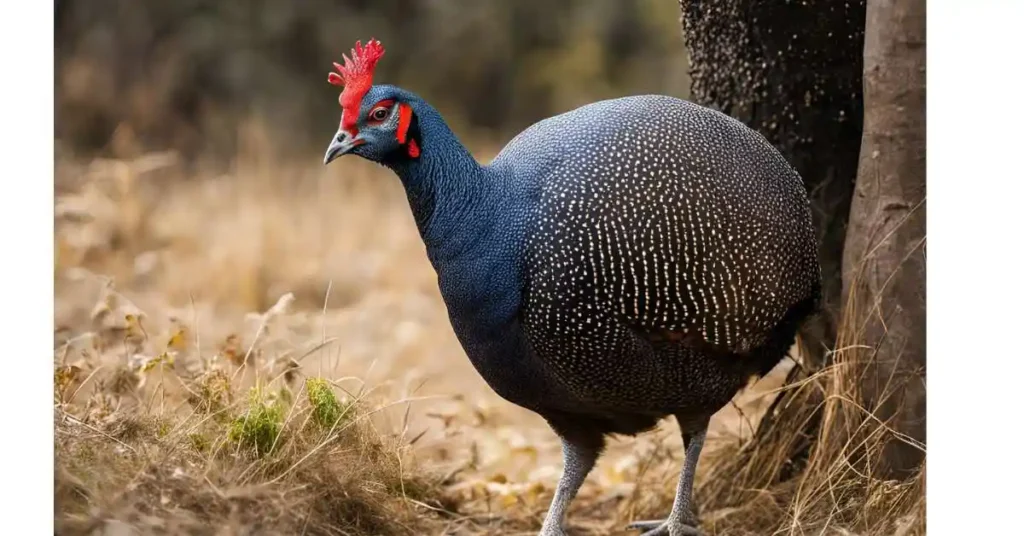
This poultry breed is an excellent bird to raise for the table and is often raised as a pet in many households. They are a good source of eggs, meat and feathers. Guineas are social birds and are one of the most popular backyard birds in the United States with great benefits.
You can find Guinea fowls in many parts of the world, including Africa, North America, Europe, Australia, New Zealand, South America, and the Middle East.
The Diet of Guinea Fowl
The diet of Guineas is like that of chickens and includes grains, vegetables, and fruits. They are omnivores and will eat insects, worms, seeds, vegetables, such as broccoli, carrots, lettuce and anything else they can find.
You may feed a commercial diet or a home-based diet. The home-based diet should comprise about half grains and vegetables.
If you are raising them for meat, then feed them a balanced diet (commercial diet). Food for guinea fowl is a combination of wheat, corn, oats, soybean meal, rice bran, barley, millet, and rye. These foods will give the bird the nutrients it needs to thrive.
What are the nutritional requirements of guinea fowl?
The nutritional requirements vary depending on the age of the bird. The purpose of raising the bird is also another factor that determines the nutritional requirement of the guineas.
The dietary requirement of a breeder stock of guineas is different from that of those you are rearing for meat and egg production.
The Breeders Factor
Guineafowl breeders should eat 17 to 19% protein, 3 to 5.8% fat, and 2679 to 2898 kcal/kg of metabolizable energy while non-breeders need to consume 19 to 23% protein, 3.5 to 5.8% fat, and 3000 to 3200 kcal/kg of metabolizable energy.
The nutritional requirements of guinea fowl include a diet high in carbohydrates, protein, fat, calcium and a variety of other nutrients. Guinea fowl require vitamins B1, D3, and E, folic acid, vitamin A, calcium, phosphorus, and iron.
Feeding Guideline for Guinea Fowl Breeders*
|
Age |
Types |
Feed (g/day/hen |
Cum feed consumption (g) |
|
0-4 |
Starter |
Ad-libitum |
500 |
|
5-12 |
Grower |
Ad-libitum |
3000 |
|
13-15 |
Breeders |
55 |
4155 |
|
16-17 |
– |
63 |
5040 |
|
18-22 |
– |
72 |
7560 |
|
23 |
– |
80 |
8120 |
|
From |
– |
85 |
– |
|
Laying |
|
Ad-libitum |
– |
(I N R A: 1989)
*2800kcal/kg ME, average ambient temperature 18 degrees Celsius.
**At the laying period, it could be useful to carry on a low-level feed.
The Age Factor
Guinea fowl have a higher dietary requirement for protein than chickens but will thrive on a balanced diet containing a variety of quality protein sources.
.png "Guinea keets") |
| baby guinea fowls (Keets). By Esther Martin on Shutterstock.com |
Starter diets should have a protein level of 24% to 26% for the Keets. They should then be reduced from 18% to 20% for the 5th to 8th weeks. After eight weeks, you can provide the growing Keets with a 16%-layer mash for their feeding needs.
From 6 weeks to 8 months of age, the nutritional requirements of Guinea fowl include:
• Protein: 20%
• Fat: 11%
• Cholesterol: 9.4 mg/100g (0.4 g/100ml)
• Fiber: 3%
• Carbohydrates: 10%
It also requires vitamin and mineral supplements, including:
• Vitamin A: 13,400 IU/kg (3,300 IU/lb)
• Vitamin D: 1,650 IU/kg (1,000 IU/lb)
• Vitamin K: 4 mg/kg (10 mg/lb)
• Iron: 4.8 mg/kg (2.7 mg/lb)
• Calcium: 765 mg/kg (1,550 mg/lb)
Also, trace minerals such as copper, selenium, zinc, manganese, and cobalt is necessary for the better growth of the bird.
Find below the nutritional requirements for guinea fowls at different ages.
Guinea Fowl Starter (0-4 Weeks)
|
Nutrients |
Requirements |
|
|
Metabolizable Energy (ME) |
3200 kcal/kg |
|
|
Crude Protein (CP) |
24.5% (min) |
|
|
Crude Fat |
5.7% (max) |
|
|
Crude Fibre (CF) |
4% (max) |
|
|
Calcium |
1% (min) |
|
|
Total Phosphorus |
0.38% (min) |
|
|
Lysine |
1.39% (min) |
|
|
Methionine |
0.55% (min) |
|
|
Methionine + Cystine |
1% (min) |
|
Guinea Fowl Growers (5-12 Weeks)
|
Nutrients |
Requirements |
|
|
Metabolizable Energy (ME) |
3100 kcal/kg |
|
|
Crude Protein (CP) |
19.5% (min) |
|
|
Crude Fat |
5.8% (max) |
|
|
Crude Fibre (CF) |
5% (max) |
|
|
Calcium |
1.1% (min) |
|
|
Total Phosphorus |
0.4% (min) |
|
|
Lysine |
1.0% (min) |
|
|
Methionine |
0.5% (min) |
|
|
Methionine + Cystine |
0.9% (min) |
|
Nutrition of Guineafowl Breeders
|
Weeks |
0-4 |
5-8 |
9-12 |
13-21 |
22-28 |
29 |
29 |
|
Nutrients |
|
|
|
|
|
male |
female |
|
M.E (kcal/kg) |
2898 |
2850 |
2827 |
2851 |
2901 |
2583 |
2679 |
|
C.P |
23.5 |
19.2 |
14.6 |
13.5 |
14.5 |
17.5 |
18 |
|
Fiber |
3.8 |
4.5 |
4.7 |
5.0 |
4.8 |
5.0 |
5.0 |
|
C.Fat |
5.7 |
5.8 |
3.15 |
5.0 |
5.0 |
4.5 |
4.8 |
|
Dry Matter |
88 |
87.8 |
87 |
87 |
87.5 |
87.5 |
87.5 |
|
Calcium |
1.0 |
1.1 |
0.8 |
0.75 |
– |
3.8 |
1.25 |
|
Phosphorous |
0.8 |
0.7 |
0.6 |
0.54 |
0.7 |
0.74 |
0.7 |
|
Avail. Phos |
0.5 |
0.4 |
0.35 |
0.25 |
0.4 |
0.45 |
0.35 |
|
Methionine |
0.45 |
0.4 |
0.3 |
0.26 |
0.3 |
0.4 |
0.3 |
|
Lysine |
1.3 |
0.9 |
0.55 |
0.48 |
0.8 |
0.8 |
0.79 |
|
Meth + cystine |
0.8 |
0.7 |
0.56 |
0.54 |
0.6 |
0.7 |
0.6 |
|
Tryptophane |
0.3 |
0.2 |
0.16 |
0.15 |
0.16 |
0.2 |
0.2 |
I N R A
How much food do guinea fowl need?
The amount of food for guinea fowl depends on their age and size. A guinea fowl can eat about 10–12 pounds of feed per day.
If you plan on raising guinea fowl, you will need to make sure that you have a large enough cage for them.
If you are feeding them a diet that has a lower protein content, increase the amount of food and water that you give them.
Always monitor your guineas to ensure that they have access to fresh water to prevent them from dying from dehydration.

Preventing nutritional problems of Guinea fowl?
Guinea fowls like to forage for food, but if they aren’t foraging, provide them with a high-protein diet that will give them what they need to be healthy and thrive well.
A low-protein diet will cause your guineas to lose weight because they cannot build muscle tissue. If your guinea fowl is losing weight, you likely need to feed them more protein.
Fibre is good for their digestive systems and gives them a lot in their diet. Fibres help make the gizzards soft and pliable; they also help prevent gas and other digestive problems in your guinea fowl.
You should look for the following symptoms:
1. Their feathers become dull and dry.
2. They have a pale, yellowish skin tone.
3. They lose their appetite.
4. You may see smaller droppings.
5. There may be pus coming out of their eyes.
6. The blood vessels around their eyes will swell.
7. Their legs and feet will look weak.
When guineas eat a balanced diet, they can grow at a healthy rate. If you have a guinea fowl, it is important to provide your pet with the proper nutrition.
To ensure that your guinea fowl get the right amount of nutrition, provide them with a balanced diet. This means that you should feed your pet a diet that contains all the nutrients that are necessary for them to grow.
FAQs
1. What are the nutritional requirements of Guinea Fowl?
The nutritional requirements for guinea fowl are like those of other poultry. They require a diet that is balanced with protein, energy, calcium, phosphorus, and vitamins.
2. What is the best food for guinea fowl?
Guinea is omnivores and will eat just about anything. You can feed your pet chicken mash, cracked corn, or bread. You can add some vegetables such as carrots, peas, or broccoli to the mixture.
The diet of guinea fowl should contain a variety of food types. This will allow
them to get all the vitamins and minerals that they need.
3. Can Guinea fowls be used for insect control?
These birds are perfect for pest control. If you keep them close to your home, they will help you control insect pests such as flies, mosquitoes, and wasps.
Restricting the food for guinea fowl is the most effective method of using them to control insects. They will spend more time eating bugs than they would otherwise.
4. Do guinea fowl eat mealworms?
Mealworms are very nutritious, and they are quite tasty for guineas. They are also good for supplementation of their diet because of their high protein content.
Mealworms are relatively easy to feed, and they have a high nutritional value, which is why they are a favourite among guinea fowl owners.
5. Do guinea fowl need calcium?
Guineas need about 3,500- 4,000 mg of calcium per day. This is a fairly high amount of
calcium. Calcium is an essential mineral for a guinea fowl owner to feed his or her birds.
If the guineas aren’t getting enough calcium, they become vulnerable to osteoporosis and other bone-related diseases.
Conclusion
To ensure your guinea fowl receives optimal nutrition, it’s crucial to understand their unique dietary needs and provide a specialized diet accordingly.
Although, they are omnivores and can eat a variety of foods but can also be fed a diet of commercial chicken feed.
Disclaimer
The information in this article is for educational purposes only and should not be considered a substitute for professional veterinary advice. Always consult with a qualified veterinarian for any health concerns or before making any decisions regarding the care or treatment of your animals.