Poultry nutrition does not need to sound like chemistry class.
For a farmer, the main question is simple: is this feed giving my birds what they need for their age and purpose?
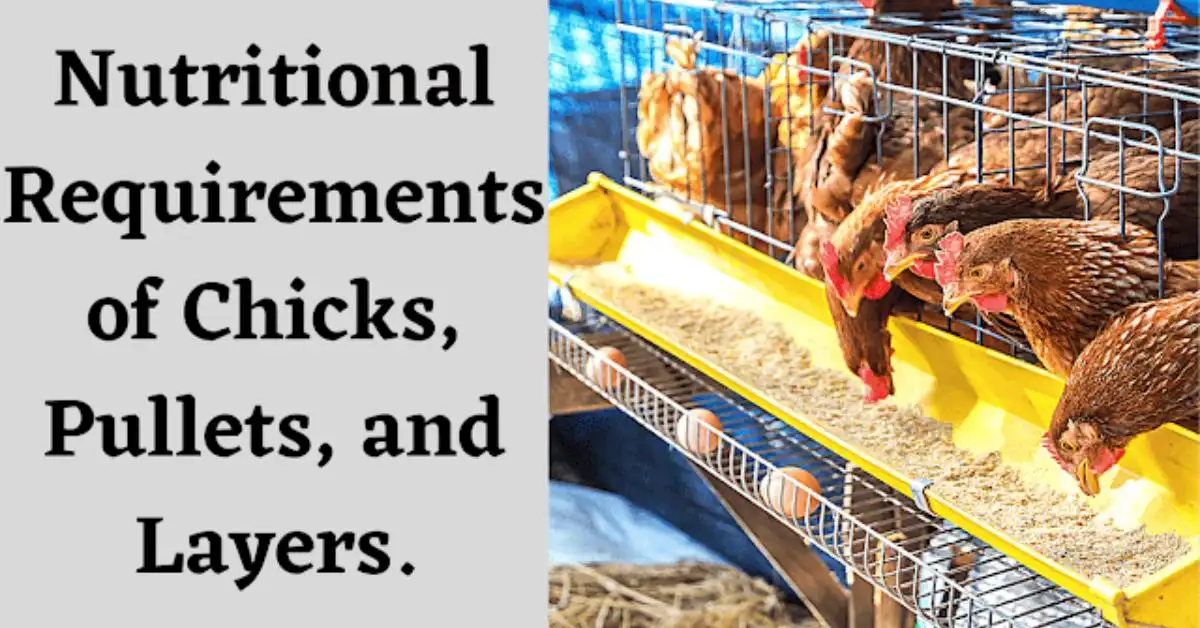
A broiler needs feed for fast meat growth. A pullet needs feed that helps it grow properly before laying. A layer needs feed that supports eggs, body maintenance and shell quality. A local chicken, turkey or duck may have a different feeding target again.
The right feed is not the feed with the biggest protein number. It is the feed that gives the bird the right balance of nutrients and water.
What is poultry nutrition?
Poultry nutrition is simply the way we supply birds with the nutrients they need for maintenance, growth, egg production, reproduction and health.
The main nutrients are:
- water;
- energy;
- amino acids from protein;
- fats and essential fatty acids;
- minerals; and
- vitamins.
These nutrients work together. If one important nutrient is badly short, adding more of another nutrient will not completely solve the problem.
1. Water comes first
Water is the nutrient farmers most often forget because it does not come in a feed bag.
A bird that is not drinking properly will usually not eat properly.
Check:
- whether every drinker is working;
- whether water pressure is adequate;
- whether drinkers are at the right height;
- whether tanks run dry;
- whether water gets very hot in the afternoon;
- whether the source is clean; and
- whether leaks are creating wet litter.
During hot weather, water demand rises sharply. A small water problem can quickly become a production problem.
2. Energy keeps the bird working and growing
Birds need energy for basic body functions, movement, temperature control, growth and egg production.
Common energy ingredients include maize, sorghum, wheat and oils.
If dietary energy is too low, birds may eat more trying to meet their needs. If they cannot eat enough, growth or egg production can suffer.
If energy is too high compared with the rest of the ration, birds may eat less and miss other nutrients.
3. Protein is really about amino acids
Farmers often compare feed using crude protein only.
But birds do not use “protein percentage” directly. They digest protein into smaller building blocks called amino acids.
Important amino acids include lysine, methionine and threonine.
That means two feeds can show the same crude protein percentage and still perform differently if the amino acid balance and digestibility are different.
Do not add soybean meal, fishmeal or groundnut cake to a complete commercial feed simply because you want “more protein.” You can disturb the balance.
4. Fats and oils
Fat is a concentrated source of energy. It also supplies essential fatty acids.
In properly formulated feed, oils can help increase energy density and reduce dust.
But adding oil by guesswork can make feed unbalanced, spoil storage quality or create mixing problems.
5. Minerals
Minerals are needed for bones, eggshells, nerves, muscles, fluid balance and many other body functions.
Important minerals include calcium, phosphorus, sodium, potassium and trace minerals such as zinc, manganese, copper and selenium.
Do not confuse one mineral problem with every production problem.
For example, calcium is especially important for layer shell quality, but extra calcium is not the answer to every case of small eggs or low production.
6. Vitamins
Vitamins support growth, immunity, metabolism, reproduction and normal body functions.
A properly formulated complete feed should already contain the vitamins the bird needs.
Extra vitamin products may be useful in some situations, but they should not become the first response to every problem.
Different birds need different feeds
One feed cannot suit every bird.
Common poultry feeds include:
- chick or pullet starter;
- grower feed;
- broiler starter;
- broiler grower;
- broiler finisher; and
- layer feed.
The exact ages for changing feed can differ by breeder, feed company and production plan. Follow the feed manufacturer or breeder programme rather than copying another farm blindly.
Broilers
Broilers need diets designed for fast growth and efficient feed conversion.
The nutritional target changes as they grow, so starter, grower and finisher feeds do different jobs.
For a deeper guide, see our Broiler Nutrition in the Tropics.
Pullets
Pullets need steady body development before they enter lay.
Pushing them too fast or allowing them to remain underweight can affect later egg production and egg size.
Layers
Layers need enough energy and amino acids to maintain production, plus the correct mineral balance for shell formation.
Feed intake matters just as much as feed formula. A good layer ration cannot work if birds eat too little because of heat, poor feeder access or water problems.
How do I know whether the feed is working?
Do not judge feed only by price, colour or smell.
Track:
- feed intake;
- body weight;
- FCR in broilers;
- egg production in layers;
- egg weight and shell quality;
- mortality;
- droppings;
- bird behaviour; and
- how long it takes birds to reach market target.
Use our How Do I Know If the Feed I Bought Is Working? guide.
What should I check when buying commercial feed?
- Correct feed stage.
- Bag condition.
- Batch or production information where available.
- Freshness.
- No mould or dampness.
- No unusual rancid smell.
- Reliable supplier.
- How the flock performs after feeding.
Can I formulate my own poultry feed?
Yes, but formulation is more than mixing maize, soybean meal and premix.
You need reliable ingredient values and a formula that balances energy, digestible amino acids, minerals, vitamins and other nutrients.
If you are formulating for commercial production, use a qualified poultry nutritionist or a validated formulation system rather than guesswork.
Common farmer mistakes in poultry nutrition
- Choosing feed only by crude protein percentage.
- Choosing the cheapest bag without checking bird performance.
- Adding maize to commercial feed to make it last longer.
- Adding extra protein ingredients without reformulating.
- Using the wrong feed stage.
- Ignoring water.
- Ignoring heat stress.
- Changing several things at once and then not knowing what caused the result.
- Buying more feed than can be stored safely.
What about supplements?
A supplement should solve a known need.
If birds are growing slowly, first check feed intake, water, feed quality, heat, crowding and disease.
If egg production drops, check feed intake, water, flock age, heat, body weight, disease and lighting.
Do not let supplements hide the real problem.
Simple poultry nutrition checklist
- Use feed made for the bird type and age.
- Keep clean water available.
- Store feed dry and protected.
- Measure feed use.
- Weigh birds or track egg production.
- Watch for heat stress.
- Check wastage.
- Do not modify complete feed blindly.
- Keep records.
- Investigate performance changes early.
Bottom line
Poultry nutrition is about balance, not one nutrient.
Water, energy, amino acids, fats, minerals and vitamins must work together. The correct balance depends on the bird, its age and what you expect it to produce.
Do not ask only, “What percentage protein is this feed?” Ask, “What result is this feed giving my birds?”