

Worms in chickens are a widespread problem and can be a health issue for your chickens. You need to know the symptoms to look for, and how to prevent infestations, so you can keep your flock healthy.
Worms are small parasites (or helminths) that live within the intestines of an animal, including poultry birds. They can cause severe damage such as gastrointestinal issues and malnutrition to your bird’s health.
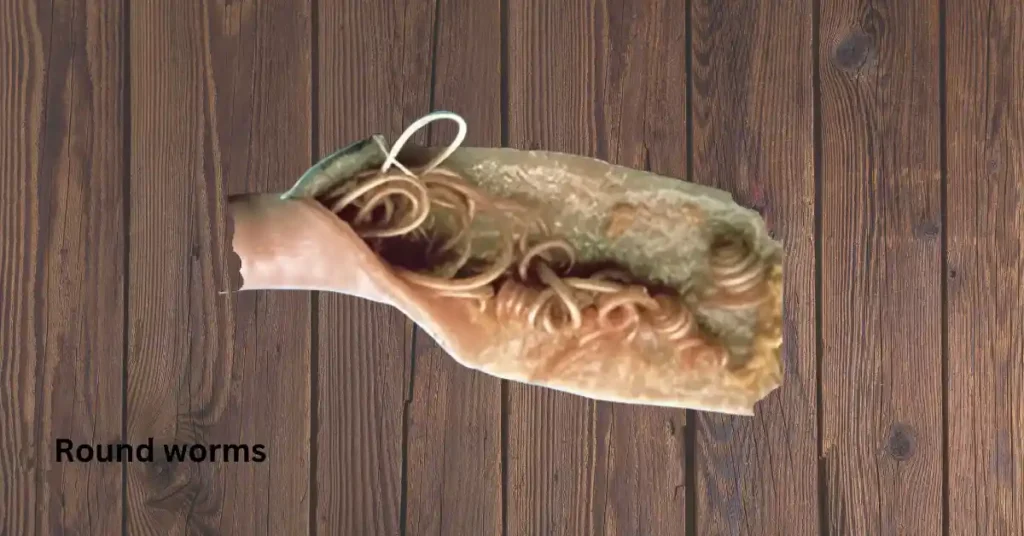
The most common species of worm in broiler and layers chicken flocks are the nematodes (roundworms), which are found in the small intestine.
What is deworming in poultry?
Deworming is the use of anthelmintic drugs to get rid of internal parasites (worms) in the birds’ system. Worms in chickens can cause serious health problems, so it’s very important to keep them free of worms.
Many types of worms can affect chickens, including roundworms, hookworms, tapeworms, and pinworms. The most common worms in chickens are roundworms, hookworms, and pinworms.
Chickens can contract a variety of worms from eating contaminated food or drinking contaminated water.
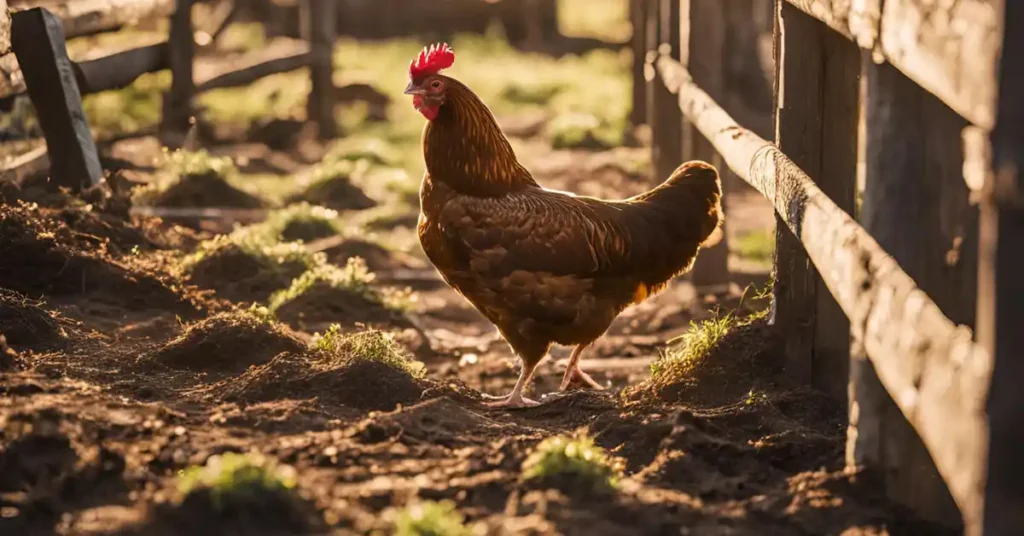
The different worms that can infect chickens
Three main types of worms affect chickens:
- Nematodes.
- Cestodes.
- Trematodes.
Nematodes are types of worms in chickens that can cause gastrointestinal problems such as diarrhoea and malnutrition e.g., roundworms. These worms live in the digestive tract of chickens, and they cause intestinal issues in birds.
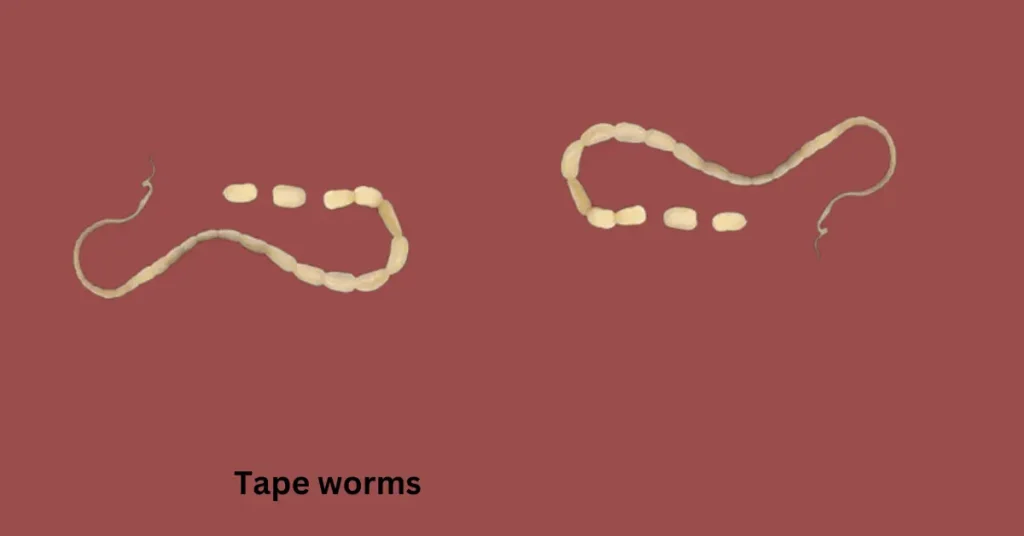
Cestodes are flatworms that can cause intestinal blockage and other problems, e.g., tapeworms. This worm is very similar to a human tapeworm, but it only lives in the birds’ intestines.
Trematodes are parasitic worms that live in the liver or gallbladder e.g., fluke is mostly found in backyard chickens.
Signs of Worms in Poultry Chicken.
The signs of worms in chickens are often vague and are usually characterized by poor egg-laying performance and weight loss. If you notice any of the following signs, it could be time to get rid of worms from your chickens:
- Your chickens have diarrhoea.
- They are losing weight and have poor growth.
- They have low egg production.
- Your chickens have loose droppings.
- They are losing feathers.
- Your chickens are eating less.
- Your chickens are sleeping more.
- Your chickens are acting sick.
- Your chickens are acting depressed.
- Your chickens are showing signs of stress.
If you notice these signs of worms in chickens, then it’s important to have your bird checked by a veterinarian immediately. Your vet will help you identify the type of worm that is causing the problem.
How to Protect Your Chicken from Worms.
The most common way that birds can contract worms is by eating the eggs of the worms. The worms then hatch inside the birds and eat the birds’ internal organs.
Therefore, you need to be careful when you are breeding your birds. Furthermore, it is important to know how to protect your chicken from worms.
1. Checking your birds: You’ll need to check your birds regularly. This will help you make sure that there’s no infestation. You can also look for signs such as loose droppings or unusual behaviours.
2. Avoid letting your breeder birds interact with wild animals, especially domestic birds. If you want to keep your birds safe from worms, then you need to make sure that they do not interact with wild animals. This includes domestic birds. If the birds are allowed to interact with wild animals, they can contract the worms.
3. Keep the cages or the floor where the birds live clean and dry. Clean their cage frequently, and wash with a strong disinfectant to prevent the eggs of the worms from hatching.
4. You also need to make sure that you clean the bird’s droppings regularly to keep the worms away from the birds. You also need to make sure that you change the birds’ litter regularly. This will help to keep the droppings away from the bird.
5. Avoid overpopulation or overstocking of chickens in confined spaces. You can ensure that they have plenty of space to roam around to reduce worm infestation. If you keep your chickens in a confined space, they may not have enough space to move around, which could lead to an increase in worm infestation.
6. Before allowing the new chickens to join the rest of the flock in the pen or enclosure, make sure they are quarantined for at least 15 days.
7. Ensure the flock has access to clean, fresh water and food. Provide the right quantity of feed (read layers feed intake chart and weight gain chart). Food should have the right balance of protein, carbohydrates, and fats. It should also be high in fibre.
The risks associated with worm infection in chickens
1. Intestinal worms are a major cause of economic loss in the poultry industry. They may cause direct damage to the gut, or indirectly by interfering with the bird’s immune system.
2. Worms can also affect the chicken’s immune system. They can weaken the bird’s ability to fight off disease.
3. Worms can also make the chicken’s skin look unappealing. This is especially true because the worms compete with the nutrients needed by the birds for nourishment.
4. Worms can also make the chicken’s feathers fall out. This can be a big problem if the weather is not conducive.
When to Deworm Your Chickens
Worms can be treated with drugs, (consult your veterinarian for diagnosis and treatment) and they can be eliminated from the chicken’s digestive tract. Failure to get rid of these internal parasites could make your birds end up with anaemia, which can cause them to lose weight.
Also, if you wait too long, then you might not get rid of the internal parasites completely. So, make sure that you deworm your chickens every eight weeks or once in two months. You should also look for signs of worms in the soil around the pen. If you see any, treat your chickens immediately.
Always ensure that you are treating your chickens correctly using the correct amount of medication as recommended by the vet doctor.
Best Dewormers for Poultry Birds
Several types of drugs can effectively destroy these parasites. The most common method for controlling worm infestation is through the administration of therapeutic agents.
However, this technique is only effective against actively developing eggs, so it may need to be repeated periodically. Consult your veterinarian for the best advice, diagnosis, and treatment.
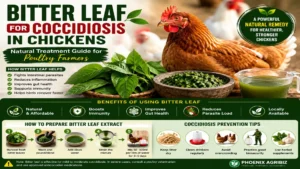
How to treat worms in chickens naturally
There are several natural methods you can use to treat worms in chickens. Some of these methods include:
-
Garlic: Garlic is known to have natural antiparasitic properties and can help to kill worms in chickens. You can add crushed garlic to their feed or provide them with garlic supplements.
-
Diatomaceous earth: Diatomaceous earth is a natural substance made from the fossilized remains of tiny aquatic organisms called diatoms. When added to a chicken’s feed, it can help to kill worms by dehydrating them.
-
Pumpkin seeds: Pumpkin seeds are known to have natural anthelmintic properties, which means they can help to expel worms from the body. You can crush the seeds and add them to your chickens’ feed or provide them with whole seeds as a treat.
-
Apple cider vinegar: ACV can be added to the water and can help to prevent worms by creating an environment that is less hospitable to them.
-
Vetiver: Vetiver is a natural worm repellent and is also known to have antiparasitic properties. It can be used in the form of a spray or oil.
-
Papaya leaf: Papaya leaves contain an enzyme called papain which is effective in expelling worms and parasites. It is often recommended to dry or crush the leaves and make tea or add them to the feed.
-
Incorporate rotation of grazing areas, so the chickens are not eating from the same spot that may have parasite eggs in it.
It is important to remember that worms in chickens are detrimental to their welfare, so regular deworming and monitoring are important for the health of your flock.
Note: These are preventive measures not curative, and it’s important to consult with a veterinarian before adding any new supplement to their diet.
Conclusion
While there are several treatments for intestinal worms, it’s important to be sure you use a product that is specifically formulated for chickens as recommended by a veterinarian.
You will need to be aware of how to spot symptoms. However, in chickens, the most common signs to look for are a lack of egg production, decreased growth rate, or death.
Disclaimer:
The information in this article is for educational purposes only and should not be considered a substitute for professional veterinary advice. Always consult with a qualified veterinarian for any health concerns or before making any decisions regarding the care or treatment of your poultry birds.






One Comment
Very interesting and educative.
It really helped me