One often overlooked, yet essential aspect, of poultry production is effective poultry litter management. If not managed correctly, this litter can pose a serious threat to both the health of your flock and the environment.
This article provides a comprehensive and authentic guide to poultry litter management, covering key aspects such as selecting appropriate litter materials, best practices for handling litter, and strategies to mitigate environmental risks and promote the well-being of your poultry.
What is Poultry Litter and Why Does it Matter?
Poultry litter is a mixture of bird droppings, feathers, and bedding materials that accumulate in poultry houses. It’s an unavoidable byproduct of poultry production and is more than just a waste, it is the environment that your birds live and thrive in. Proper litter management can help in the following:
- Improved Bird Health: Good litter management is essential for maintaining optimal health. Poorly managed litter can harbour pathogens, such as bacteria, parasites, fungi, and viruses, which can lead to disease outbreaks.
- When birds are housed in pens with poorly managed litter, they are constantly exposed to potential pathogens that can compromise their health.
- Better Air Quality: Proper litter management reduces ammonia buildup. Ammonia, a toxic gas, can cause respiratory problems, eye irritation, and general discomfort in birds. Poorly managed litter, especially when wet, produces elevated levels of ammonia, creating a toxic environment.
- By keeping litter dry and managing its buildup, poultry keepers can minimize ammonia levels and improve air quality for their birds.
- Enhanced Performance: Birds that live in a clean and healthy environment are more productive. Good litter management promotes better feed conversion ratios, weight gain, egg production, and overall flock performance. The birds can focus their energy on growth and production rather than fighting disease.
- Reduced Environmental Impact: Effectively managed litter is essential for reducing environmental pollution. If not disposed of correctly, poultry litter can contaminate soil and water sources. Good litter management practices can help to minimize this environmental impact, making your farming operations more sustainable.
- Reduced Costs: Good litter management can reduce the cost of production by reducing medication costs, reducing mortality, improving feed efficiency, and improving overall production outcomes.
Selecting Appropriate Litter Materials: Key Considerations
The selection of the right litter materials is a critical aspect of effective poultry litter management. There are several factors you need to consider before choosing the litter for your poultry house:
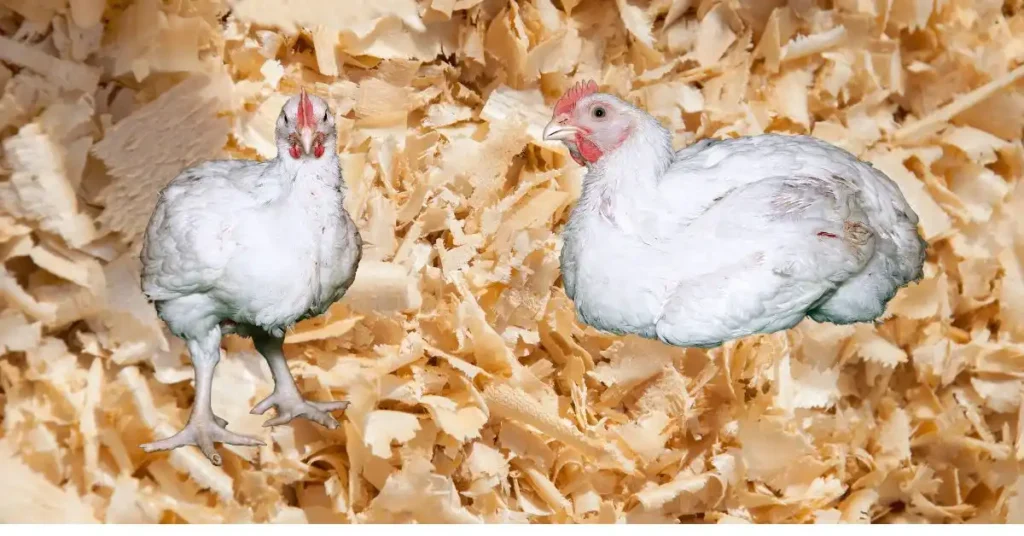
- Wood Shavings: A popular choice due to their good absorbency, low cost, and availability. Wood shavings provide a comfortable and dry surface for birds. This is an excellent choice, but you will need to shop around for a good supplier.
- Straw: A readily available material, particularly in regions where it is a byproduct of agriculture. Straw has good moisture-holding capacity but may need to be turned often to prevent caking.
- Sawdust: Another option, which is more affordable, especially in wood processing areas. Sawdust can be dusty, and careful management is required.
- Paper By-Products: An option, especially shredded paper, is available and can be a cost-effective option. You should avoid using glossy paper, as it is not very absorbent, and be prepared to mix it with other litter types.
- Crushed Maize Cobs: This can be a good option, especially in maize-producing areas. Ensure they are well crushed and free from contaminants.
- Rice Hulls: A readily available option, especially in rice-producing regions. Rice hulls are lightweight and absorb moisture well, although they may not be as comfortable for the birds as some other options.
- Chopped Hay: Hay can be used if it is available, although it can mat easily and requires careful management. Ensure that it is very well chopped and dry to avoid any issues.
- Sand: Sand can be used, but it does not have very good absorbency and can become extremely hot or cold with changing temperatures. Sand may also make cleaning difficult.
Qualities of Good Poultry Litter Material: Practical Guidelines
When choosing litter materials, consider the following characteristics:
- Absorbency: The litter material should be highly absorbent to keep the litter dry and reduce ammonia buildup. Choose the most absorbent litter type available.
- Moisture Retention: The litter must absorb moisture, but also be able to dry quickly, to avoid caking.
- Friability: It should be friable and not tend to compact easily.
- Low Odor: Good litter materials should not have a strong or foul odour. Choose a material that will not release harmful gases.
- Lightweight: The litter should be lightweight and easy to handle. Heavy material will be difficult to handle and will need specialized equipment.
- Free from Hazardous Materials: Litter should be free from any hazardous materials such as mould, chemicals, and disease-causing organisms. Ensure that it is safe for the birds to live on.
- Availability: Consider the cost and availability of litter in your local area and choose the litter that is most appropriate for your needs.
- Particle Size: The litter particles should be of medium size, so they do not compact easily and are comfortable for the birds to move around on.
Best Practices for Poultry Litter Management: Essential Techniques
Effective litter management involves implementing practical techniques daily:
- Regular Litter Removal: Removal of droppings is critical, as they contain pathogens and promote ammonia build-up. Removing litter regularly is a must for poultry farmers.
- Manual Removal: For smaller poultry houses, manual removal can be a practical option. This involves using a shovel, a bucket with a tight lid, and protective gloves. Litter should be removed at least twice a week, and even more frequently when there are more birds.
- Mechanical Removal: For larger operations, mechanical systems are more efficient. These systems extract manure from the poultry house and can help to reduce labour costs. Mechanical systems need careful maintenance to ensure optimal performance.
- Litter Additives: Litter additives can be used to control ammonia buildup. These can be added to the litter to absorb ammonia. Most products contain urea, such as ammoniated lime.
- Good Ventilation: Effective ventilation is essential for maintaining good air quality in poultry houses. You can achieve this by installing exhaust fans and ensuring that the doors and windows are open and that the air is circulating.
- Litter Moisture Management: A key part of good litter management is ensuring that the litter remains dry. Dry litter keeps the birds safe from disease and helps to reduce ammonia. If your litter is wet, you should find ways to dry it or replace it.
- Avoid Overstocking: Overstocking birds in a poultry pen will contribute to wet litter and promote ammonia build-up. Ensure your stocking densities are appropriate for the system that you are using.
- Regular Monitoring: Regularly monitor the litter’s condition and make any adjustments as needed.
- Record Keeping: Keep good records of litter management practices. Regular record-keeping will help you to make better decisions on litter management in the future.
Preventing Ammonia Buildup: Strategies to Improve Air Quality
Ammonia buildup is a major issue in poultry houses with poorly managed litter. Here are some strategies to prevent this:
- Keep Litter Dry: The most important thing is to keep the litter dry and reduce moisture levels as much as possible. This can be achieved by ensuring that the coop is well-ventilated and that there are no leaks that are allowing water into the coop.
- Remove Wet Litter: Promptly remove any damp litter, as this can become a breeding ground for disease-causing organisms and ammonia. Replace it with fresh, dry litter.
- Use Litter Amendments: Use litter additives such as ammoniated lime to absorb ammonia. These help to convert the harmful ammonia gas into a less harmful gas.
- Proper Ventilation: Good ventilation is key to removing ammonia buildup in the poultry house.
- Adequate Space: Avoid overstocking birds, as overstocking will promote moisture buildup and make it difficult to keep the litter dry.
Troubleshooting Common Litter Management Problems
- Wet Litter: If the litter becomes wet quickly, check the ventilation and water sources for leaks. You may need to change your litter more often or switch to a better-quality, more absorbent material.
- Odor Issues: If odors become a problem, ensure you are removing droppings regularly, and use litter additives to control ammonia buildup. You should also check the ventilation to see if it is working effectively.
- Disease Outbreaks: If disease outbreaks occur, assess your litter management practices to see if any adjustments are required. Good litter management is a key component of disease control.
The Benefits of Good Litter Management
Proper litter management results in several benefits:
- Improved Bird Health and Welfare: Cleaner, drier litter reduces the risk of disease and promotes overall bird health.
- Reduced Disease Outbreaks: Proper litter management practices prevent the spread of diseases, improving health and lowering mortality.
- Reduced Ammonia Buildup: A well-managed litter reduces ammonia levels in the house, improving the air quality for your birds.
- Improved Performance: Birds raised in healthy environments are more productive. Good litter management promotes better feed conversion and faster growth rates.
- Reduced Environmental Impact: Good litter management reduces the chances of environmental contamination from poorly managed manure.
Conclusion
Effective poultry litter management is essential for the health, welfare, and productivity of your poultry flock, as well as for promoting environmental sustainability. By understanding the key aspects of litter management, and selecting the correct materials, you can create a healthy environment for your birds and minimize the risk of disease and environmental pollution
Disclaimer
The information in this article is for educational purposes only and should not be considered a substitute for professional veterinary or agricultural advice. Always consult with a qualified expert for any concerns or before making any decisions regarding your poultry farming practices.