
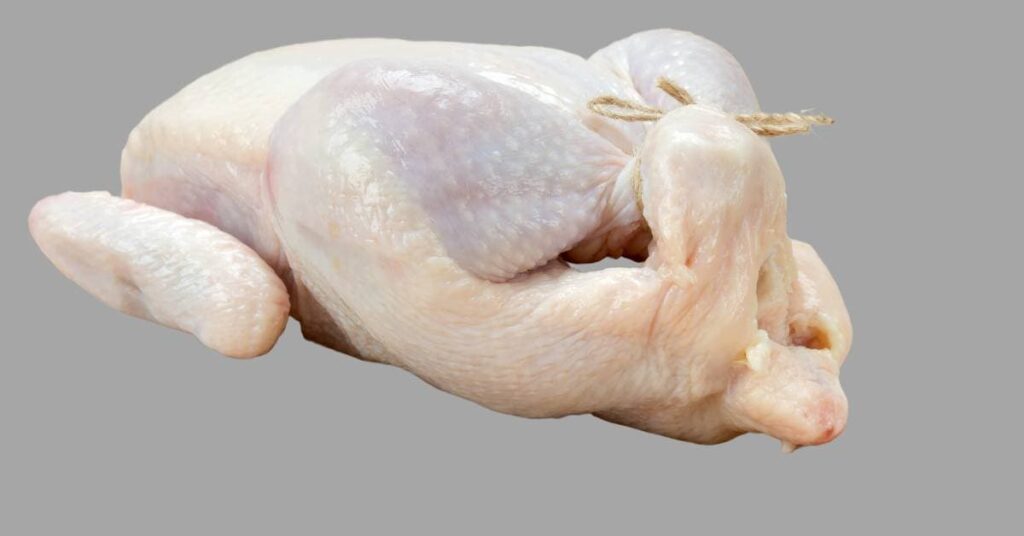
Do you know why you should not keep broilers for more than 6 weeks? Let us embark into the realm of broiler production to unlock the mysteries and reveal why broilers should not be kept longer than six weeks.
Read also: FAQs About Broilers and Broiler Farming
Economic reasons not to raise broilers more than 6 weeks
Economic considerations play a significant role in the decision to keep broilers for a specific duration, typically around six weeks. Here are some elaborations on the economic implications of maintaining broilers beyond this timeframe:
Feed Costs
Broilers are highly efficient at converting feed into body weight during their early growth stages. However, as they mature, their feed efficiency declines, meaning they require more feed to gain the same amount of weight.
Keeping broilers beyond six weeks can result in increased feed consumption, leading to higher feed costs for farmers. This additional expense cuts into profit margins and reduces overall profitability.
Labour Expenses
Raising broilers requires consistent monitoring, feeding, and general care. The longer broilers are kept, the greater the labour requirements, and the more expensive it becomes to keep broilers for more than 6 weeks.
Farmers must invest more time and effort into managing older broiler chickens, including increased labour for feeding, cleaning, and disease prevention. This additional labour can result in higher expenses for the farm operation.
Housing and Space Constraints
Broilers are typically raised in confined spaces that are designed to accommodate their growth rate and specific needs. Keeping broilers beyond the recommended time can lead to overcrowding and increased space requirements.
Farmers may need to provide additional housing or allocate more space per bird, resulting in extra costs associated with infrastructure and facilities.
Market Demand and Price
Broilers are raised to meet specific market weight and size requirements, which are determined by consumer preferences and market demand. These requirements are often optimized for the broiler’s growth up to around six weeks.
If broilers are kept longer, they may exceed the desired market weight, making them less desirable to buyers. Farmers may have trouble finding buyers. They might have to sell the broilers for less money, which would hurt their profits.
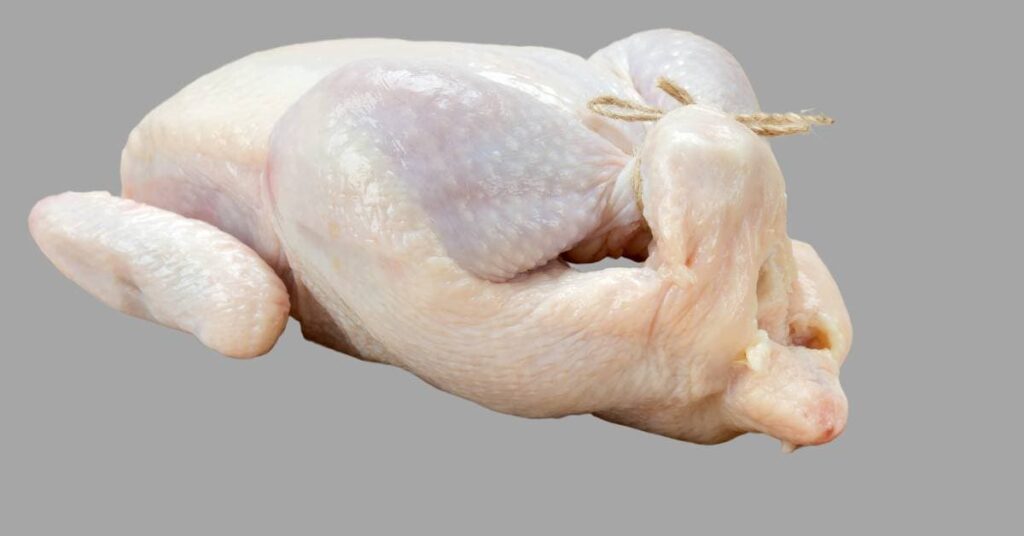
Production Efficiency
The whole broiler production system works in a six-week cycle. This includes getting chicks, managing feed, scheduling the processing facilities, and organizing transportation.
Exceeding the established cycle for keeping broilers can severely disrupt production efficiency and coordination, resulting in increased costs and potential logistical hurdles.
Practical Insights from the Broiler Market
Significant feed costs emerge as a primary concern when raising broiler chickens beyond six weeks. A rapid increase in body weight necessitates higher feed input to sustain growth rates. This spike in feed expenses can erode potential profitability for producers.
Additionally, the necessity of managing feeding schedules becomes more complex as the dynamics of the flock shift with age. It is important to balance feed efficiency with good weight gain. This can put financial pressure on producers, who must manage it wisely to stay profitable.
2. Health reasons not to keep broilers for more than 6 weeks
Broilers, which are chickens bred for meat production, are genetically selected for rapid growth and weight gain. But this fast growth can cause health problems if they stay longer than the suggested time, usually about six weeks.
Here’s an elaboration on the health concerns associated with extending the growth period of broilers:
Skeletal Disorders
Broilers that are bred for rapid growth may experience challenges with skeletal development and bone strength. The accelerated weight gain puts excessive strain on their immature skeletal system, leading to a higher risk of skeletal disorders.
Common skeletal problems observed in broilers include leg deformities, lameness, and fractures. These conditions can cause pain and discomfort, making it difficult for broilers to move and exhibit normal behaviour.
Cardiovascular Problems
The cardiovascular system of broilers may not fully develop to support their rapid growth beyond the recommended period. Excessive weight gain places a significant burden on their heart and circulatory system, potentially leading to cardiovascular problems. If you store boilers for over 6 weeks, they might be at risk of heart problems and other heart issues.
Musculoskeletal Pain
The accelerated growth of broilers can also lead to muscular pain and discomfort. The rapid increase in body weight can strain their muscles, ligaments, and tendons, causing inflammation and pain.
This can result in reduced mobility, difficulty in performing normal activities, and an overall decrease in welfare.
Increased Mortality Rates
Keeping broilers beyond the recommended duration can lead to higher mortality rates. The pressure on their weak bones and heart systems, along with a higher chance of muscle and joint problems, can lead to a higher risk of death.
Weakened broilers may become more susceptible to infections and diseases, further impacting their survival rates. Therefore, it is not advisable to Keep Broilers for more than 6 Weeks.
Effects of Heat Stress on Broiler Chickens
Heat stress significantly impacts broiler chickens, leading to reduced feed intake and impaired weight gain. Elevated temperatures disrupt their growth rate, causing slower meat production and increased susceptibility to illnesses.
This heat condition can also exacerbate welfare issues, as chickens become more prone to lameness and other skeletal disorders. Keeping good housing conditions is important to reduce heat stress effects and ensure profits in poultry farming. It helps balance animal care and production efficiency.
3. Welfare reasons
Prolonging the growth period of broilers can significantly impact their quality of life. The pain, discomfort, and limited mobility associated with skeletal and muscular issues can compromise their overall welfare.
Broilers may experience difficulty accessing food and water, exhibiting natural behaviours, and living in a state of physical distress.
Overcrowding
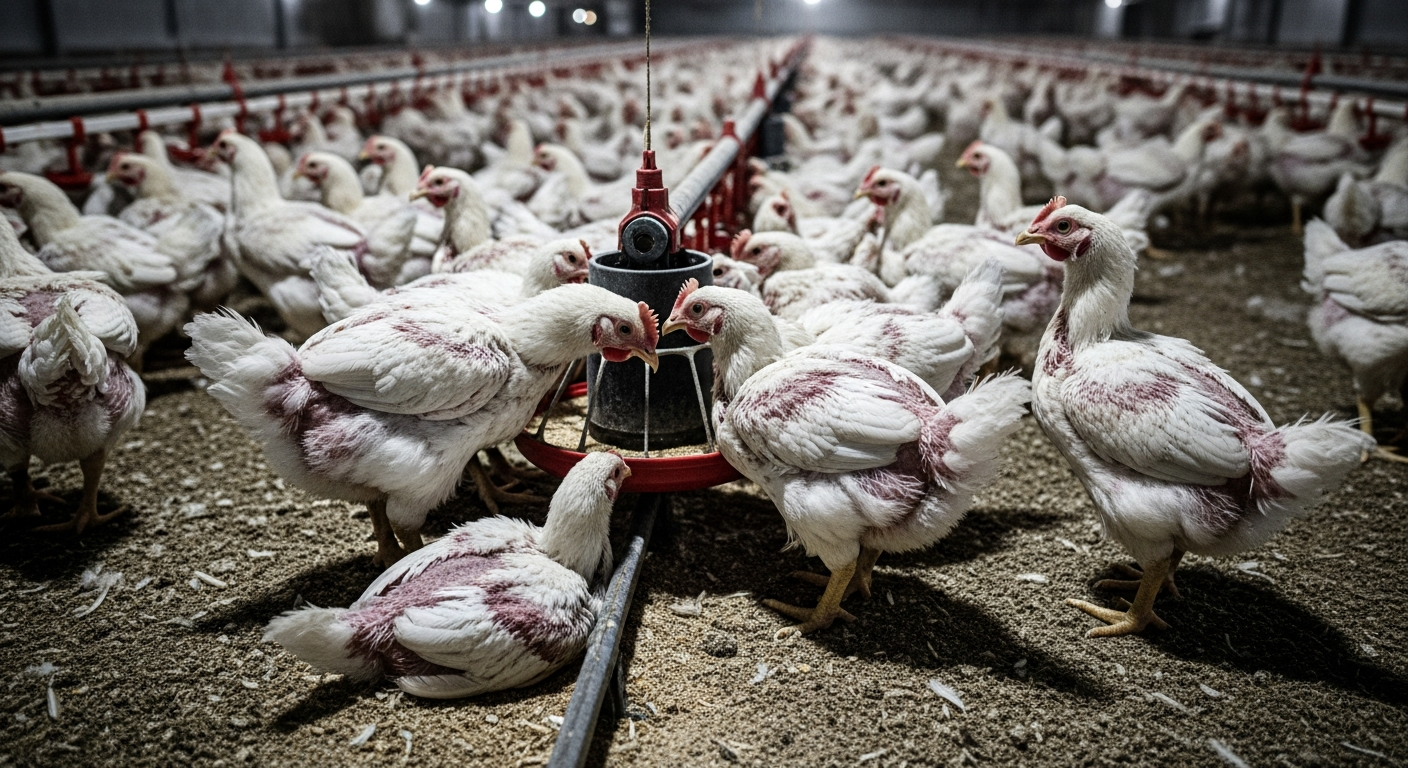
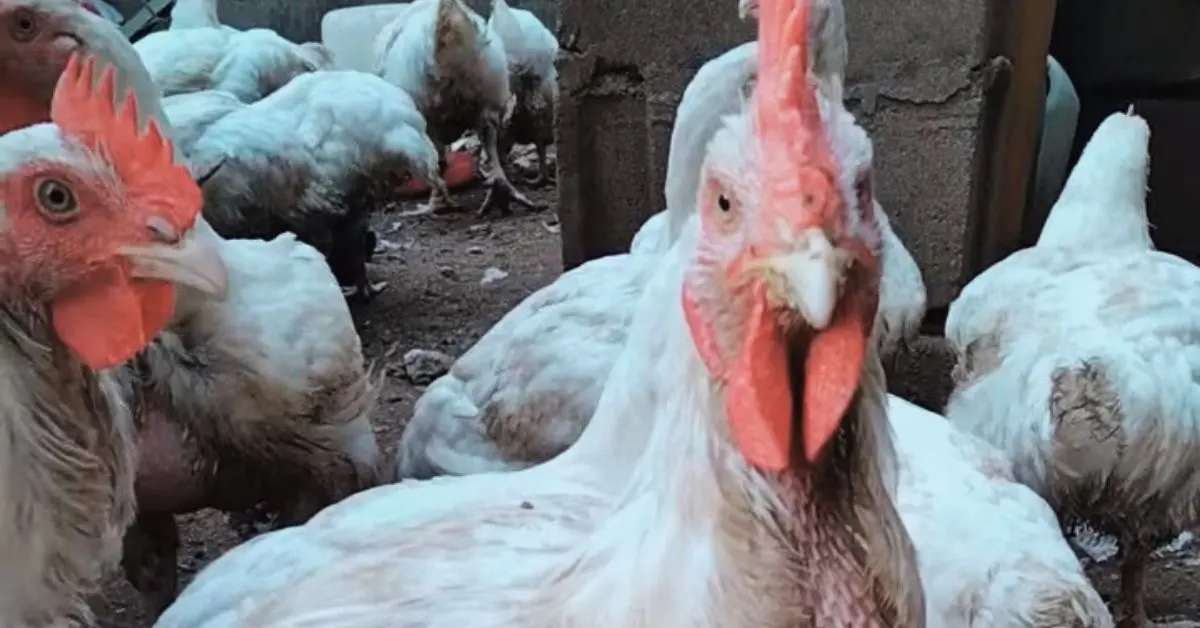
Intensive farming systems usually keep broilers in overcrowded conditions. This is why it is not good to keep broilers for more than 6 weeks. This limits their natural behaviors and harms their well-being. Broilers require adequate space to move, stretch their wings, and engage in normal behaviours.
Too many chickens in one place limits their movement. It makes it hard to get food and water. It can also weaken muscles, lessen bone strength, and lower overall fitness.
Mechanisms of Body Heat Regulation in Poultry
Efficient temperature regulation is crucial for maintaining optimal growth rates in poultry. Broilers have different ways to cool down, like panting and changing blood flow, to get rid of extra heat from fast weight gain. This adaptation helps manage their body temperature, especially when subjected to environmental stressors.
Additionally, effective housing designs can enhance airflow, further aiding in heat dissipation. Understanding these mechanisms is vital for ensuring the well-being and productivity of broiler chickens throughout their growth cycle.
Do broiler chickens live only for up to about 10 weeks?
Yes, broiler chickens are typically raised for 6 to 8 weeks before processing. They grow rapidly during this period, reaching market weight. Keeping them for over 6 weeks can cause health problems and lower meat quality. It is important to follow the suggested time for the best results.
Raising broiler chickens for more than 6 weeks is possible, but it comes with several considerations. Commercial broilers are usually harvested when they are 5 to 7 weeks old. They grow quickly to market weight because of selective breeding for fast growth. If you keep broilers longer than this time, they will still grow, but more slowly, and their body makeup might change.
Broiler for more than 6 weeks?
After 6 weeks, broilers tend to gain more fat rather than muscle, leading to heavier birds with potentially tougher meat. Their feed conversion ratio becomes less efficient, meaning they require more food per pound of weight gained. Also, keeping broilers for a longer time can raise the chances of health problems like leg issues, heart problems, and breathing troubles because they grow quickly and get heavier.
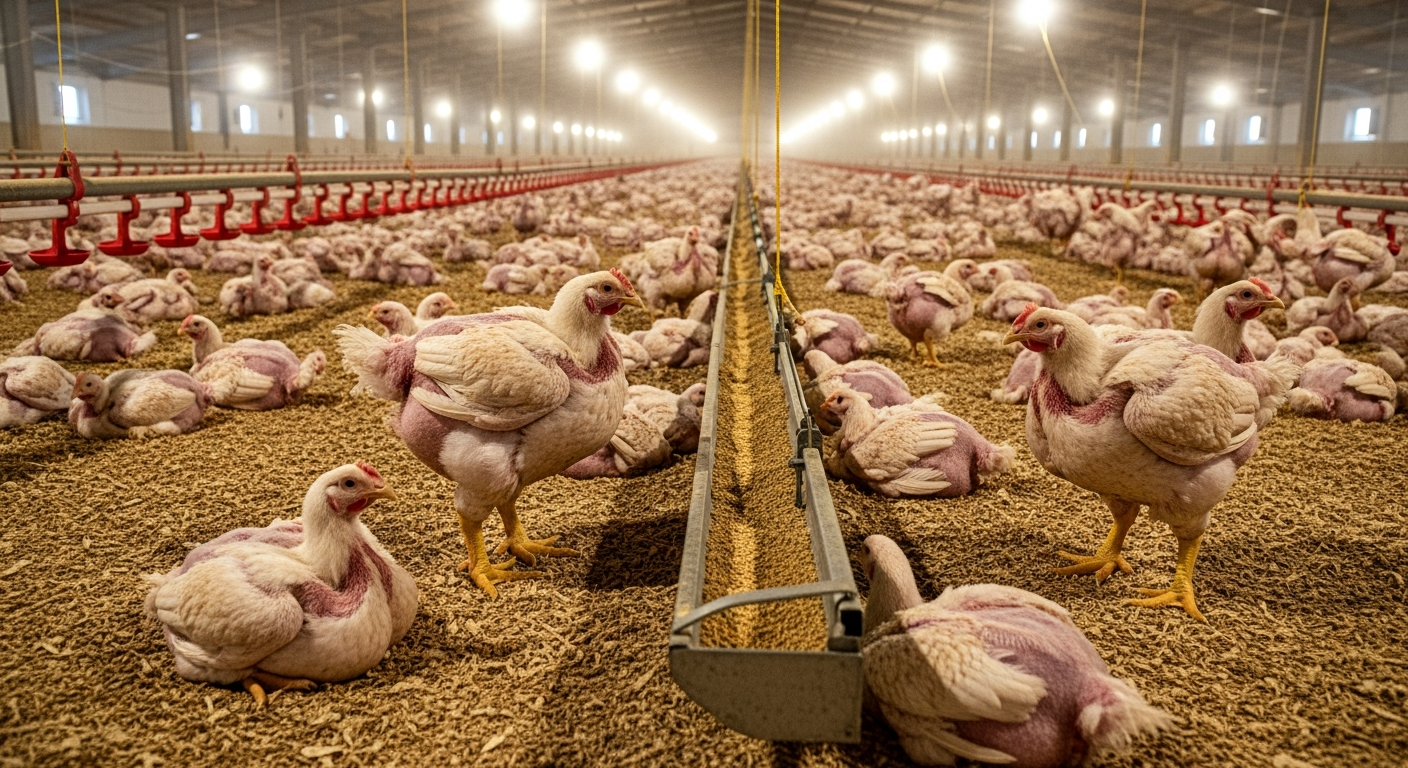
You can raise broilers for over 6 weeks, but watch for changes in how well they eat, the quality of the meat, and possible health issues. Adjusting management practices as they age will help maintain the well-being of the flock.
Realistically, how long can I keep a broiler chicken?
Broiler chickens are usually raised for meat. They are ready to be processed at about 6 to 8 weeks old. If you keep them as pets or for other reasons, they can live longer up to a few years, but they might not do as well after their time for growing meat. It’s important to give them good care, food, and a safe home if you want to keep them for longer than usual!
Conclusion
Keeping broilers for poultry longer than the recommended six weeks may cause extra expenses. These include higher-priced feed, more labour needed, issues with the market, and disruptions in the production process. Ultimately, these factors can increase production costs.
These economic considerations often result in decreased profitability for farmers who choose to keep broilers beyond their optimum market weight.
The recommended six-week period is considered optimal for their physiological development and overall well-being. By adhering to this timeframe, farmers can help mitigate the risks of cardiovascular problems and increase mortality rates for broilers.
Disclaimer: The author of this article is not responsible for any losses caused by the information shared here. This means that if readers follow the advice given and it causes problems, the author is not responsible. It’s crucial for individuals to conduct their own research and exercise caution when interpreting or applying the insights shared. In essence, the author is clarifying that they do not guarantee any outcomes from following this article’s guidance.














3 Comments
Very happy to have contacted you.
Is it possible to have a personal trainer, since I’m a BEGINNER?
Hi Dorothy, One of the reasons for this blog is to empower begginers like you. We are always here to help, you can contact us on: info@phoenixagribiz.com.ng
Thank you,
Admin.
Pls, Can I give my six week broilers folic acid and vitaminc to stay strong and fit