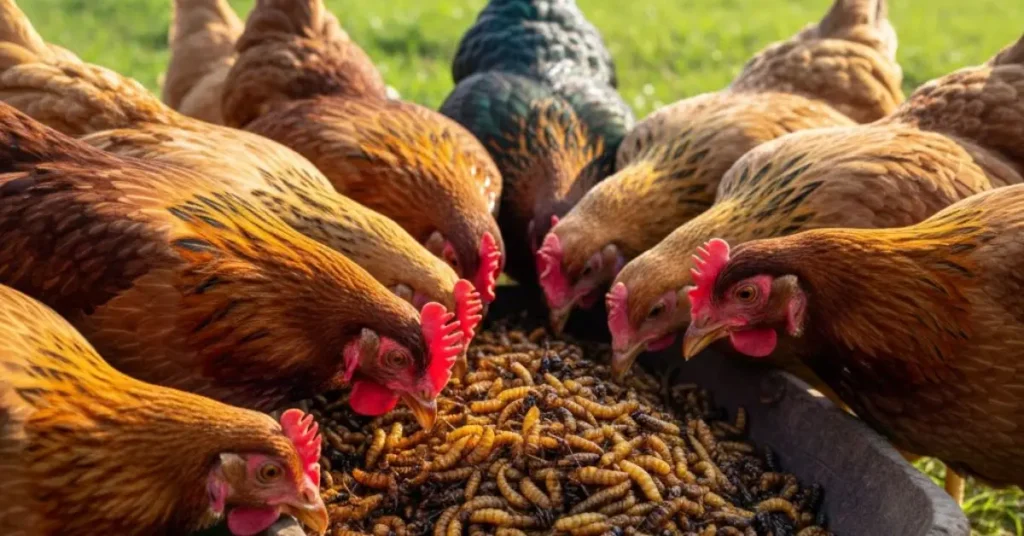
Alright, let’s talk about black soldier fly larvae (BSFL) and chickens. Not just the textbook stuff, but the real-world, hands-on experience I’ve gathered over the years. You’ve probably heard the buzz about sustainable protein, waste reduction, and the adult black soldier fly larvae contributing to happy chickens.
We’re facing a global challenge: how to feed a growing population sustainably. Traditional feed sources are putting a strain on resources. That’s where BSFL comes in. They’re not just a novelty; they’re a potential solution.
The Nutritional Powerhouse: More Than Just Protein
Black soldier fly (BSF) larvae represent a promising and sustainable alternative to traditional chicken feed. Their high nutritional content and environmental benefits make them a valuable resource for poultry farmers and backyard chicken keepers alike.
Let’s break down the nutritional profile. It’s impressive.
Protein Punch: BSFL are packed with protein, crucial for chicken growth and egg production. I’ve seen a big improvement in egg size and shell quality when using black soldier fly larvae. This makes it a good choice for pet food.
Healthy Fats: They’re rich in lauric acid, a medium-chain fatty acid with antimicrobial properties. This enhances the immune system of chickens and contributes to soil health by supporting the overall ecosystem.
Essential Minerals: Calcium, phosphorus, and other minerals contribute to strong bones and overall health. Ever dealt with brittle eggshells? BSFL can also help improve soil health.
Here’s the situation. The goal isn’t to completely replace everything with BSFL. A balanced diet is still key, starting from the egg stage of their life cycle. Think of them as a potent supplement.
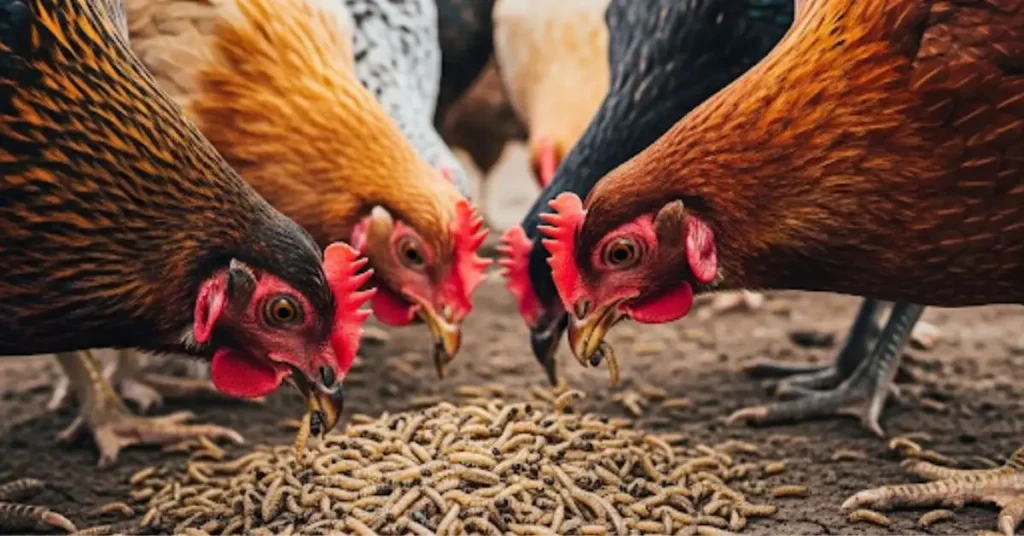
I remember one farmer I worked with. He was struggling with his flock’s health. They were listless, and egg production was down. We introduced BSFL into their diet, and within weeks, the transformation was remarkable. They became more active, their feathers regained their lustre, and egg production soared. It was a real eye-opener.
Sustainability in Action: Turning Waste into Feed
This is where BSFL truly shines. They’re nature’s recyclers.
Waste Reduction: They thrive on organic waste and organic matter, from kitchen scraps to agricultural byproducts. I’ve set up systems that use food waste from local restaurants, creating a closed-loop system.
Reduced Environmental Impact: Compared to traditional feed production, black soldier fly larvae farming requires minimal land and water, significantly reducing your carbon footprint. That’s a significant advantage.
Circular Economy: It’s about creating a system in which waste becomes a valuable resource, helping lower our carbon footprint. Isn’t that the future we’re working towards?
Black Soldier Fly Lifecycle Breakdown (Egg, Larval, Pupae, Adult Stages)
Understanding the lifecycle of the black soldier fly is crucial for effectively raising these remarkable insects for chicken feed. It begins with the egg stage, where a female lays hundreds of eggs in clusters, typically in organic waste environments.
After approximately four days, the eggs hatch into larvae, which are voracious eaters, thriving on decaying matter. This larval stage lasts about two to three weeks. During this time, they eat a lot of organic material and grow quickly. Once mature, they enter the pupal stage, where they undergo metamorphosis, transforming into pupae that do not feed.
This stage can last around one to two weeks, after which the adult flies emerge. The adult stage is relatively short-lived, usually around one to two weeks, focused primarily on reproduction rather than feeding. This complex lifecycle enables the black soldier fly population to thrive and demonstrates their effectiveness in converting waste into high-quality protein.
Understanding each phase helps producers optimise rearing conditions for maximum output and sustainability in poultry feeding practices.
Practical Tips: Getting Started with Black Soldier Fly
Ready to give BSFL a shot for your chickens? Start by getting some high-quality larvae from trusted suppliers to make sure they’re safe and nutritious.
Start giving BSFL by adding a little to their usual food. This will help your birds get used to it and lower any stomach problems. Gradually increase the amount as your flock gets used to it.
You may want to think about ways to prepare BSFL, like drying or grinding them. This can help them last longer, make them easier to digest, and keep nutrients even.
Watch your chickens for any changes in how they act, eat, or feel during this time. Make changes if necessary. Just remember, while BSFL is a great nutritional supplement, it shouldn’t replace a balanced diet for your poultry. Use it as a treat within the recommended guidelines to keep your flock healthy and support sustainable farming practices.

I’ve experimented with various feeding methods. Live larvae, dried meal, or even processed into pellets. Each has its advantages. It’s about finding what works best for your setup.
Amazing Facts About Black Soldier Fly Larvae
- Each larva can consume up to 200mg of food waste per day
- They eat twice their body weight daily for over 6 weeks.
- Can process ALL types of biodegradable matter, including meat and dairy.
- 100kg of organic waste, including animal manure, can be processed without producing greenhouse gases.
- They feed in 5-minute bursts and form “roadblocks” around food sources.
- The final compost is nutrient-rich and perfect for soil improvement.
- Larvae can be harvested as high-protein animal feed.
The Future of Poultry Feed: A Sustainable Path
BSFL are more than just a trend. They represent a sustainable solution to the crucial role these challenges play in poultry farming.
Increased Adoption: As awareness grows, more farmers are incorporating black soldier fly larvae into their feed programs.
Technological Advancements: Automated BSFL production systems are becoming more accessible.
Consumer Demand: Consumers are increasingly seeking sustainable and ethically produced food.
Honestly, I believe that BSFL are a vital part of the future of poultry feed. It’s not just about feeding chickens; it’s about creating a sustainable food system. And that’s something we can all get behind.
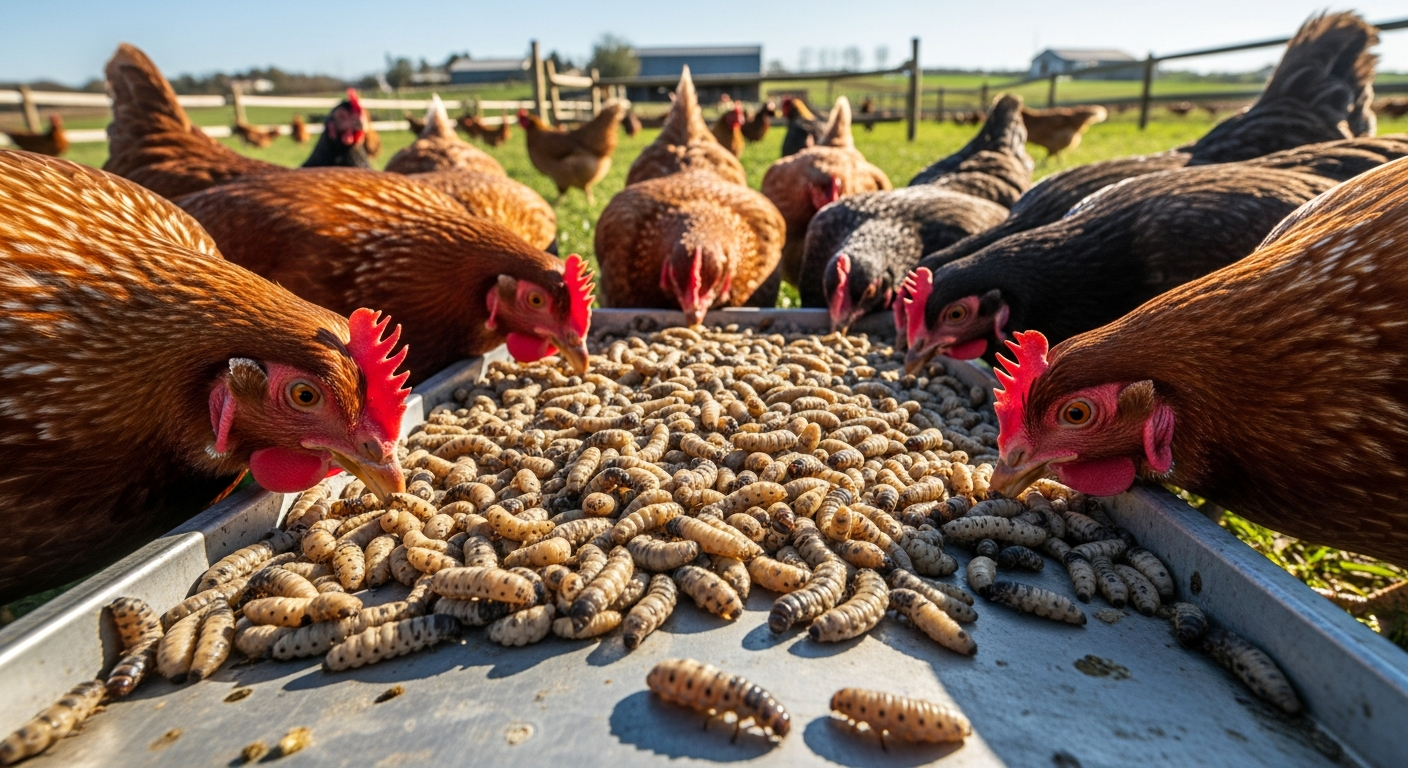
Key Advantages of BLFL
Black soldier fly larvae (BSFL) are gaining significant attention as a highly valuable and sustainable feed source for chickens. Here’s a breakdown of what makes them so beneficial:
High Nutritional Value
Black soldier fly larvae (BSFL) are high in protein and good fats. These are important for chicken growth, egg making, and general health.
They also provide vital minerals, including calcium, which is crucial for strong eggshells.
Sustainable Feed Source
Black soldier fly larvae (BSFL) can be raised on organic waste, contributing to waste reduction and a circular economy.
Their production requires fewer resources compared to traditional feed sources like soybean meal or fishmeal.
Enhances Chicken Health
The nutrients in black soldier fly larvae can boost chickens’ immune systems, making them more resistant to diseases. They also promote healthy feather growth.
Natural Foraging Behaviour
Feeding live Black soldier fly larvae stimulates chickens’ natural foraging instincts, providing them with enrichment and exercise.
Balanced Diet
While Black soldier fly larvae are highly nutritious, they should be part of a balanced diet. Chickens still need other essential nutrients from grains and other feed sources.
Black Soldier Fly Rearing Bin Setup and Instructions
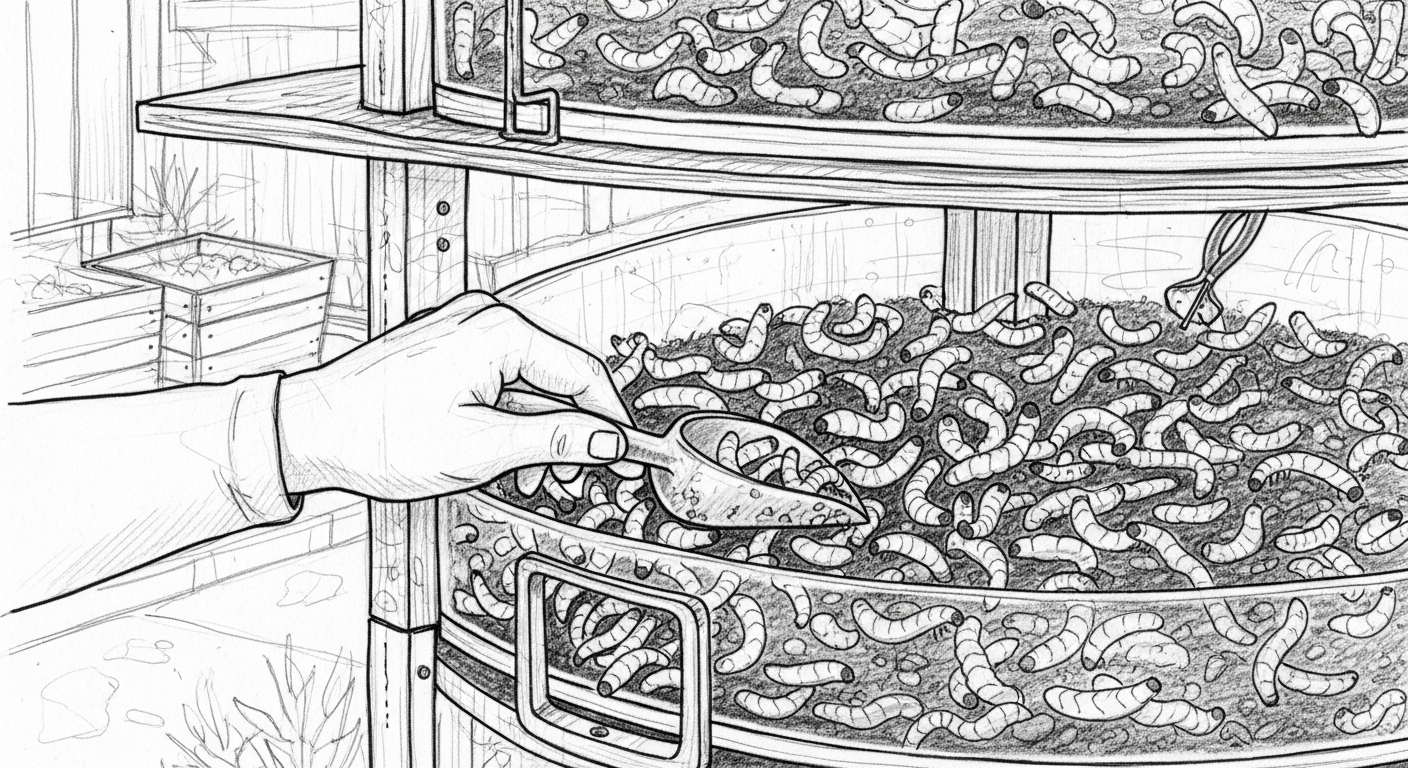
Setting up a black soldier fly bin is a key step to raising larvae for chicken feed. First, pick a spot that stays warm, ideally between 27°C and 30°C, since this helps them grow best.
Use a sturdy container, like a plastic bin with a lid. Make sure it has good airflow to prevent moisture build-up. You can drill holes in the lid and sides, but be careful to keep the larvae from escaping.
Start by putting a layer of organic waste on the bottom. Good options are kitchen scraps, fruit peels, and shredded paper. The larvae will love these food sources.
It’s important to keep the waste moist but not soggy, so give it a light spray of water when needed. Add a shallow dish for the larvae to pupate in when they’re ready, which will make it easier to harvest them.
Lastly, check on the bin regularly, adjusting moisture levels and ensuring the environment is right for growth. If you set things up right and stay focused, you’ll have a healthy black soldier fly colony that gives your chickens protein-rich food.
Care and Maintenance of Black Soldier Fly Larvae
Caring for black soldier fly larvae (BSFL) is very important for them to grow. They also give good protein for your chickens.
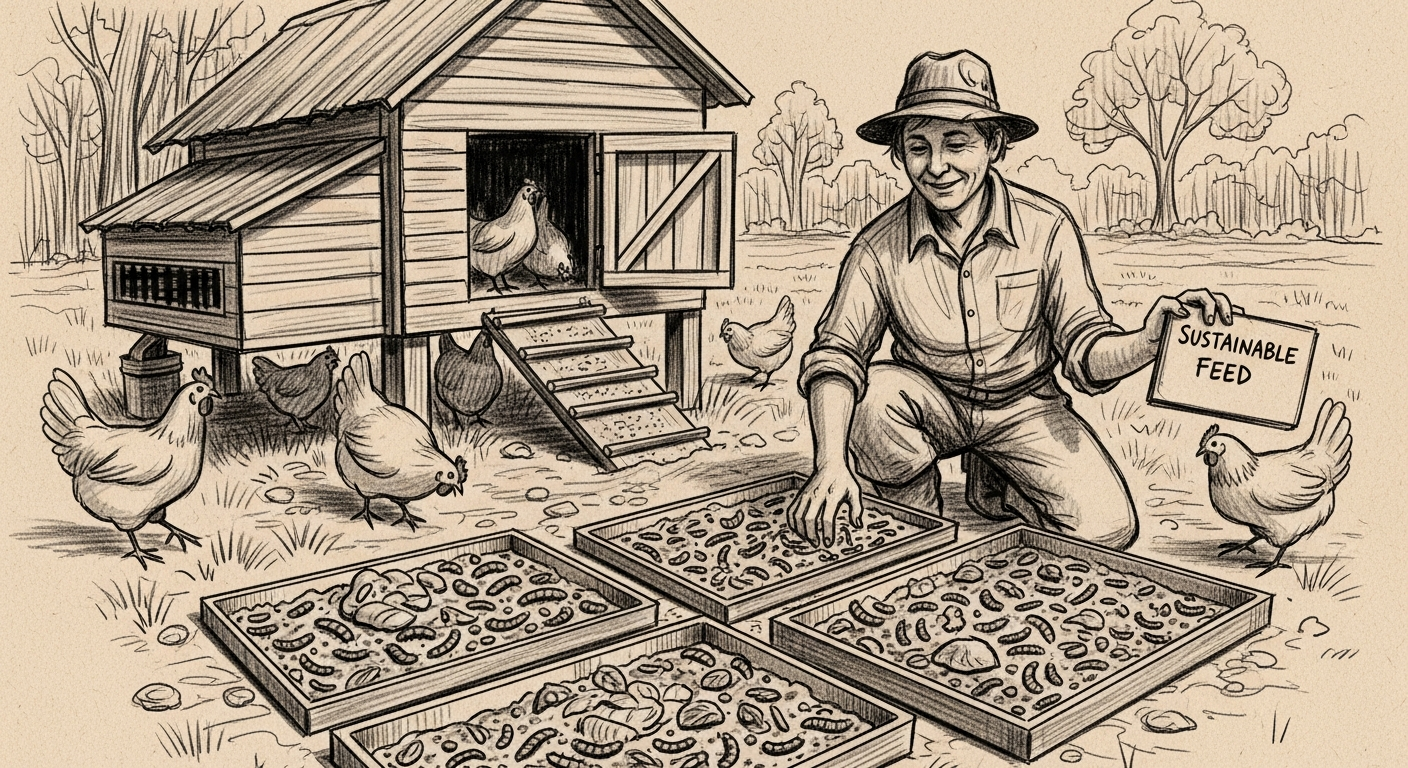
- To start off, make sure they have a clean and controlled environment.
- Keep the temperature between 27°C and 30°C for optimal growth.
- Check the moisture in their substrate often; it should be slightly damp, not wet, to stop mould and help the larvae breathe well.
- Feed them plenty of organic waste like kitchen scraps, fruit peels, and leftovers from local farms. When it’s time to harvest, do it gently to avoid stressing them out.
- Use a shallow dish to collect them easily without causing too much disturbance to the rest of the colony.
- Keep an eye on their growth stages.
- Tracking their development is key to planning pupation and ensuring they complete their lifecycle to support productive outputs. By following these tips, you’ll be able to raise BSFL sustainably, which is fantastic for your chickens’ health and productivity.
Processing and Feeding of Black Soldier Fly Larvae
BSFL can be fed live, dried, or processed into a meal. Proper handling and storage are essential to maintain their nutritional value and prevent contamination.
Chitin
“But what about the chitin?” You might ask. Yes, the exoskeleton contains chitin. In small amounts, it’s beneficial. But too much can cause digestive issues. That’s why processing and proper feeding in the distinct stages of development are crucial. We need to be aware.
We have looked into black soldier fly larvae as chicken feed. They have great nutrition and are good for the environment. It’s clear: this isn’t just a short trend. It shows a real change toward a better and more efficient poultry industry. Insects like black soldier flies are very important in this change. But knowledge without action is, well, just knowledge.
Local Sourcing and Where to Get Black Soldier Fly Larvae in Nigeria
When looking for black soldier fly larvae in Nigeria, there are many local suppliers and options to help you get good-quality larvae. Urban centres like Lagos and Abuja have numerous aquaculture and agriculture supply shops that provide these larvae in bulk.
Online marketplaces also feature dedicated suppliers who specialise in insect farming, offering competitive prices and sometimes even delivery services. Local farmers’ groups are starting to see the advantages of using black soldier fly larvae as a sustainable food source. This makes them another possible option for getting supplies.
Joining local agricultural fairs and expos can help you meet producers who care about promoting this new protein source. By looking into these choices, you help local businesses and also support sustainable farming in Nigeria.
Distribution and Lifecycle of Black Soldier Fly Larvae
Understanding the distribution and lifecycle of black soldier fly larvae is essential for effective insect farming. Originating in tropical and subtropical regions, these larvae thrive in environments rich in organic waste.
The lifecycle consists of distinct stages: egg, larval, pupal, and adult. In good environmental conditions, the larvae grow quickly. This helps turn organic material into high-quality protein for animal feed.
These larvae can be a good source of livestock feed. By keeping an eye on these stages, we can produce them efficiently, reduce waste, and improve soil health in different farming systems.
Breeding, Rearing, and Colony Management of Black Soldier Fly
Optimal management of black soldier fly colonies involves understanding their distinct life cycle stages, including the egg, larval, pupal, and adult stages. Successful breeding starts with ensuring the right environmental conditions, promoting rapid growth and a high protein yield from the larvae.
Regular monitoring and maintaining hygiene is crucial to prevent diseases and manage pests like Escherichia coli. Attention to nutrient sources, often from organic waste, enhances the nutritional composition of larvae, contributing to the overall nutritional health of the colony and supporting sustainable insect farming practices.
Ready to see the difference for yourself?
Don’t just take my word for it. Start small. Try adding dried BSFL meal to your flock’s diet. It comes from the life cycle of the black soldier fly. Or, if you’re feeling adventurous, explore setting up a small-scale Black Soldier Fly larvae production system.

Look for local suppliers: Find trusted sources for BSFL to guarantee quality and safety. Focus on those that offer a place for egg laying.
Start with a Trial Run: Introduce BSFL gradually and observe your chickens’ response.
Join Online Communities: Connect with other poultry enthusiasts experimenting with BSFL and egg laying practices. Share experiences and learn from each other.
Consider Sustainable Waste Streams: Explore local sources of organic waste for Black Soldier Fly production.
The future of sustainable poultry is in our hands. Let’s embrace innovative solutions like BSFL and create a healthier, more resilient food system. Take that first step today, and let’s see what a little bit of larvae can do.
Conclusion
Black soldier fly larvae are not just a passing trend; they provide a practical, nutrient-rich, and eco-friendly option to help birds grow stronger, lay better eggs, and keep flocks healthier.
When raised and fed carefully, they help farmers make use of waste, handle various materials, rely less on traditional protein sources, and promote natural foraging habits in chickens.
Poultry keepers who want to start small and keep an eye on their birds can use BSFL as a helpful tool in insect farming. This can help create a stronger, cheaper, and sustainable poultry system over time.
Disclaimer: The information on our blog is meant for general use only. It should not be seen as professional advice or a replacement for talking to qualified experts. We try to make sure all information is correct and current, but we cannot guarantee that any information is complete, reliable, or suitable.
Readers should do their own research and talk to experts before making any financial, farming, or business decisions based on our blog. Phoenix Agribiz Blog disclaims liability for any actions taken by readers in reliance on the material provided. By using this site, you agree to protect Phoenix Agribiz Blog and its partners from any claims that come from your use of the website or its content.
External links on the blog are just for your convenience. We do not support and are not responsible for what is on other websites. Use external resources at your own risk.
YOU MIGHT ALSO LIKE
Is Green Chicken Poop Normal? Find Out Here
3 Reasons Not to Keep Broilers for More Than 6 Weeks

How to Treat Green Poop in Chickens Naturally at Home
RECENT POSTS FACEBOOK POPULAR POST
Broiler Feeding and Weight Chart

Black Soldier Fly Larvae: The Chicken Feed Revolution?

Complete Guide to Piglet Nutrition: From Birth to Thriving Growth

Guide to Using Yellow and White Maize in Poultry Feed for Producers
9 Advantages of Battery Cage System for Layers