

Introducing modern animal nutrition technology has helped the livestock industry improve its production efficiency. Most livestock owners don’t realize that there are many kinds of nutrients that need to be taken into consideration when feeding their animals.
Having a deep understanding of animal nutrition and its practical application is of utmost importance for livestock farmers.
This understanding will empower you to make informed decisions about what and how to feed your animals, ultimately influencing their overall health and productivity.
Read Also: A Guide to Poultry Nutrition

What is Animal Nutrition?
This is the study of how to provide food to animals so that they can grow as fast as possible to produce meat, milk, or eggs. This is an essential part of animal husbandry and is closely related to the feeding of the animals.
The main aim of animal nutrition is to meet the nutrient requirements of the animal. Nutrient requirements are the amount of nutrients in the diet required to maintain good growth and increase meat, milk, or egg production.
Areas of Livestock Nutrition
The three principal areas of animal nutrition are
1. Ruminant nutrition.
2. Poultry nutrition.
3. Fish nutrition
Ruminant Nutrition
Ruminants have a complex digestive system that is designed to digest cellulose. This means they can eat grasses, leaves, and other plant matter. This allows ruminants to get their nutrients from plants, which is great for the environment.
The primary goal of ruminant nutrition involves maximizing feed conversion efficiency, which allows animals to derive more nutritional value from a given amount of food. The increased efficiency can also lead to healthier animals and more money for the farmer.

Poultry Nutrition.
Poultry nutrition focuses on feeding chickens, turkeys, ducks, geese, and other poultry. Poultry nutrition is a specialized field that requires knowledge of nutrition, biochemistry, and animal husbandry.
It is important to understand the nutritional needs of different poultry. For example, chickens require a different diet than turkeys, which require a different diet than ducks. The right feed can make a tremendous difference in the growth and health of the birds.
Fish nutrition.
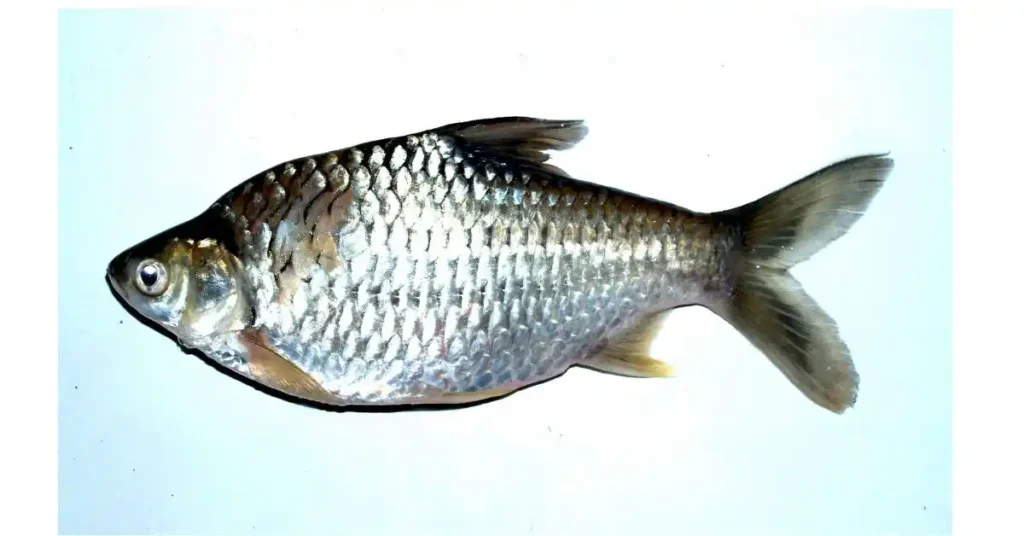
Fish nutrition concerns the feeding of aquatic animals like tilapia, catfish, croaker, salmon, and trout. Aquatic animals are sensitive to changes in their environment.
They need to eat constantly to stay healthy. However, they cannot get enough food in captivity, and they often suffer from malnutrition and disease.
The best way to feed them is to feed them a diet that contains the proper nutrients and that is free of contaminants.
Read Also: PRACTICAL GUIDE TO PROFITABLE FISH FARMING IN NIGERIA
Why is livestock nutrition important?
Livestock nutrition is especially important because it is the basis for food production. Animals are the source of most of the meat, dairy, eggs, and other products that people eat.
Therefore, if livestock is not being fed correctly, then the food that we eat may not be as good as it could be.
We can improve the quality of the meat and milk produced by livestock by feeding them a balanced diet.
What are the benefits of animal nutrition?
Animal nutrition can help your business in a few ways. First, it can provide you with the knowledge and resources you need to create healthy diets for your animals.
This includes information on how to feed livestock properly, as well as how to prevent diseases and promote growth.
Second, animal nutrition can help you improve the quality of your products. Providing your animals with proper nutrition is essential to obtain high-quality meat, milk, eggs, and other exceptional products.
Finally, animal nutrition can help you save money on costs related to food production. By hiring an animal nutritionist to create a personalized feeding plan, you can reduce waste on your farm or ranch.
Feed Ingredients
In today’s world, there is a growing demand for animal products. To satisfy this demand, farmers are increasingly turning to livestock feed ingredients. The problem is that there are many feed ingredients, and they all have unique properties.
It is important to know which diets are most suitable for your animals. You should know the different feed ingredients and their properties.
Certain feed components can serve as a source of energy for animals, while others are utilized to enhance their health and facilitate growth.
Classification of Feed Ingredients
The categorization of feed components is an essential part of livestock nutrition. It is determined by the nutritional content of feed materials and the nutritional needs of the animals.
The ingredients used in animal feed encompass a diverse range of commodities. The ingredients needed are maize (corn), soybean meal, limestone, groundnut cake, palm kernel cake, fish meal, fish oil, wheat offal, barley, sorghum, and other ingredients.
Livestock feedstuffs are classified into five categories:
1. Forages
2. Concentrates
3. Minerals
4. Premixes
5. Feed additives
1. Forages.
Forages are vegetable materials that can be fed to livestock. Forages are the main source of food for ruminant animals such as cattle, sheep, and goats.
They comprise green plants, leaves, stems, roots, seeds and fruit. Forages are also a major component of the diet of many other types of animals, such as pigs.
We can feed animals forages such as pastures, hay, and silage. Pastures are places where grass grows, usually a combination of grasses and legumes.
Hay is cut from pastures but is usually harvested and stored before it has been allowed to mature. Silage is the same as hay but is stored in a large pile with a tight seal for feeding cattle.

2. Concentrates
The concentrate is a mixture of feed ingredients that have a high percentage of nutrients. It can provide the nutrients that the animals need to grow and develop. It can be fed to the animals in a variety of ways.
For example, it can be added to the feed, or it can be mixed with the feed. We have two types of feed concentrates: Energy concentrate and protein concentrate.
Energy Concentrate
They are feed ingredients, grains and other parts of plants that farmers feed to their animals because of their high energy content.
These feed ingredients are the major sources of energy in the diet of poultry and other monogastric animals.
The most common types of feedstuffs are maize, wheat, barley, sorghum (Guinea corn), molasses, etc.
Protein Concentrate
These are feedstuffs that contain a higher concentration of protein than other feedstuffs. We can use them as a source of protein in an animal diet since they contain more than 20% crude protein. Protein concentrate is divided into plant protein and animal protein.
Typically, plant protein concentrates come from oil-producing seeds like soybean meal (SBM), groundnut cake (GNC), cottonseed cake, palm kernel cake (PKC), canola (rapeseed), and more.
Animal protein concentrates are animal-based sources of protein and are derived from fish meals, meat, milk, feather meals, blood meals, etc.

3. Minerals
The role of minerals in the diet of livestock is particularly important. They are the building blocks of bones, teeth, blood, and other tissues of animals.
It is also essential for the health of the animal. Animals absorb minerals through their digestive system.
The most important ones are calcium, phosphorus, sodium, and magnesium. These minerals are found in foods such as milk, eggs, meat, and vegetables. We can classify minerals into 2:
macro-minerals and micro-minerals.
Macro-minerals are required in large quantities, e.g., calcium, phosphorous, Sulphur, magnesium, sodium, potassium chloride and boron.
While micro-minerals are minerals needed by animals in minute quantity, e.g., Zinc, manganese, iron, copper, iodine, cobalt selenium, and molybdenum.
4. Premixes
Livestock premix is a mixture of vitamins, minerals, and other feed additives. The purpose of the premix is to increase the nutrient density of animal feed i.e., to enrich the quality of feeds or diets for animals.
This is only a small sample of the many vitamins and minerals that the animal body may need to function properly.
These include vitamins A, B1, B2, B3, B12, C, D3, and E, biotin, folic acid, niacin, pantothenic acid, choline, inositol, methionine, lysine, arginine, and tryptophan.
Furthermore, it is crucial to have adequate amounts of vital minerals such as calcium, sodium, potassium, chlorine, copper, zinc, Sulphur, manganese, boron, iodine, selenium, molybdenum, and chromium to ensure optimal bodily functions.
These minerals, along with compounds like zinc oxide and calcium phosphate, play an indispensable role in maintaining the overall well-being of livestock.
Vitamins.
Vitamins are organic compounds that play an important role in the body. They act as catalysts for metabolic processes in the body. Different nutrients have different functions.
For example, vitamin A helps in digestion and absorption of fat, and B complex helps with blood clotting and absorption of proteins.
Antimicrobial feed additives.
These are chemicals that are used to prevent or treat diseases in animals. Antibiotics are also used to make growth in farm animals faster and increase their yield. For more information on antimicrobials, refer to the Merck Veterinary manual.
Administering antibiotics to animals through their feed aids in eliminating harmful infections in their system, promoting their wellness. In addition, these antibiotics help to make their growth more efficient. Refer to the Merck Vet Manual for more information.
5. Additives
Food additives are substances that are not inherently part of the food-making process but are included to improve the overall quality of the end product.
These chemicals include colourants, flavours, preservatives, antimicrobials, stabilizers, antioxidants, etc. They may be synthetic or natural. They help in improving the taste, appearance and functionality of the food.
One example is adding colourants to egg yolks to make them look better and adding antioxidants to protect fats and oils. Antimicrobial agents are added to prevent the growth of microorganisms such as bacteria, fungi, and moulds.
Preservatives can prevent spoilage of food because of oxidation and also improve the shelf life of feed products.
Types of Feed
Animal feed can be defined as any food that is used by animals for nutrition. It is a mixture of grain and other ingredients used to feed domestic and farm animals.
It can be hay, corn, soybean meal etc. and it contains different nutrients and vitamins that are needed for the animals to stay healthy.
There are three main types of feed:
1. Roughage
2. Concentrates.
3. formulated feed/ration
Roughage.
Roughage is a combination of plant materials, grains, and seeds. We can feed it to cattle, sheep, goats, horses, pigs. Roughage is presented in different forms, such as pastures, hay, silage, etc.
It is also known as green fodder. Some common types of ingredients for roughage include
alfalfa hay, barley, cornstalks, rice straw and wheat straw.
Concentrate
The most common type of concentrates in animal nutrition are feed concentrates. They are often used to improve the nutritional value of the feed and to reduce the time and effort required to prepare variations.
Formulated feed.
Formulated feed is a mixture of ingredients that will supply the animals with the nutrients needed for health, maintenance and production.
There are two types of diet formulations: complete and incomplete.
Complete Diet
Complete diets contain the nutrients for your livestock; this includes all the macronutrients and micronutrients. They meet the nutritional needs of the animals, as well as their growth, development and reproduction.
Incomplete Diet
Incomplete diets are not formulated to meet the nutritional needs of the animals. These are diets that are based on the foods that you have available, and they do not include all the macronutrients and micronutrients.
Types of Nutrients
There are many types of nutrients that can be found in the diet of animals, and understanding them is important for the success of a healthy farm. This includes vitamins, minerals, proteins, fats, carbohydrates, and fibre.
It is important to understand the nutrients that are most important to your particular animal. This will help you know how much of each nutrient to provide your animals. It is also important to know how to feed a specific animal based on its age and weight.
Nutrient Classification.
Nutrition is one of the most important parts of any animal’s life. It is the source of energy for the body, which is needed for growth, reproduction, and survival. The nutrients that an animal needs are divided into two categories:
1. Macronutrients
2. Micronutrients.
The diet contains large amounts of macronutrients, which are crucial for growth, while animals need micronutrients in smaller quantities for specific functions.
To ensure that your animals are getting what they need, you need to know the nutrient requirements of the animal.
For example, you need to know the amount of protein, fats, and carbohydrates that an animal needs to thrive and grow. You also need to know how much of each of these nutrients you need to feed your animals.
These nutrients can come from the foods they eat or be added as vitamins, minerals, and other supplements. A balanced diet is essential for the health of animals. Animals that are not fed properly can lead to weight loss, poor growth, and even death.
Requirements for different livestock species
The nutritional needs of different livestock animals are very different. Feeds are often formulated to meet the nutritional needs of different livestock animals depending on their breed and age.
The first thing to do is to determine the type of livestock you are raising. Are you raising cows, sheep, pigs, chickens, turkeys, or other types of animals? Then, look for feed that will provide your livestock with the nutrients they need to grow.
For example, younger animals, like calves, require a higher level of protein than older animals, like sheep. Some livestock animals, like goats, have special nutritional requirements because they are herbivores.
Many animals consume grass and other plants as their primary food source. However, these plants lack the necessary protein to fully sustain the animals’ dietary needs. As a result, these animals require a diet that is higher in protein than what plants can provide.
Conclusion
In conclusion, it is very important to have a proper diet formulated. If you do not feed your animals the right amount of food, then you will not get the desired results.
You should feed your animals according to their requirements. This is the only way they will thrive and give you the best results. You should feed your animals according to their age and size.
The food that you feed them should be nutritious and should be prepared properly. Feed your animals according to the season and weather. The ingredients list can help you find the right food for your animals.
Disclaimer:
The information in this article is for educational purposes only and should not be considered a substitute for professional veterinary or nutritional advice. Always consult with a qualified expert for any concerns or before making any decisions regarding the care or treatment of your animals.
Sources
https://www.fao.org/3/x5738e/x5738e09.htm
https://en.wikipedia.org/wiki/Animal_feed
https://www.britannica.com/topic/feed-agriculture/Basic-types-of-feeds





One Comment
Nice article and more knowledge gained????