

If animals are eating every day but growth is poor, egg production is falling, milk is low or body condition is dropping, the problem may not be the amount of feed alone.
The feed may be short of an important nutrient, badly balanced, poor quality or simply wrong for that type of animal and stage of production.
Good livestock nutrition is not about feeding more. It is about feeding the right nutrients, in the right balance, to the right animal.
What is livestock nutrition?
Livestock nutrition is the practical job of giving animals the nutrients they need for:
- maintenance;
- growth;
- reproduction;
- egg production;
- milk production;
- meat production;
- strong bones and body tissues; and
- normal health and body functions.
The correct diet depends on the animal, age, body weight, production stage, environment and production goal.
A broiler, laying hen, piglet, sow, dairy cow, goat and catfish do not need the same feed.

The six things every farmer should think about before feeding
Before you choose a ration, ask:
- What animal am I feeding?
- How old is it?
- What is the production goal?
- What feed ingredients are available?
- What is the quality of those ingredients?
- How will I know whether the feed is working?
These questions are more useful than copying a formula from another farm without context.
Water is the first nutrient
Farmers often discuss protein, energy and minerals but forget water.
Water affects:
- feed intake;
- digestion;
- body temperature;
- growth;
- egg production;
- milk production; and
- waste removal.
An animal can have excellent feed in front of it and still perform badly if water is dirty, too little or difficult to reach.
Energy: the fuel for the animal
Energy is what the animal uses to stay alive, move, grow and produce.
Common energy ingredients include:
- maize;
- sorghum;
- millet;
- cassava products;
- oils; and
- other suitable cereal or energy ingredients.
If a ration is too low in usable energy, growth and production can suffer.
If the ration is too high in energy without the right nutrient balance, animals may eat less and still fail to get enough protein, amino acids, minerals or vitamins.
Protein: important, but crude protein is not the whole story
Protein helps build and repair body tissues.
But farmers should not judge feed quality by crude protein percentage alone.
Protein is made from smaller parts called amino acids.
Some important amino acids, such as lysine and methionine, may limit performance even when the crude protein number looks acceptable.
This is especially important in poultry and pig feeds.
Fats and oils
Fats and oils provide concentrated energy.
They can also help reduce dust and improve feed texture.
But poor quality or rancid fat can reduce feed quality.
Use suitable feed grade oils and store them properly.
Fibre
Fibre is handled differently by different animals.
Cattle, sheep and goats can use fibrous feeds much better than chickens and young pigs.
That means an ingredient can be useful for a ruminant and still be a poor choice at high levels in a broiler or piglet ration.
High fibre can reduce the amount of usable energy the animal gets from a feed.
Minerals
Minerals support bones, eggshells, muscles, nerves, fluid balance and many other body functions.
Important minerals include:
- calcium;
- phosphorus;
- sodium;
- chloride;
- magnesium;
- zinc;
- manganese;
- copper;
- iron;
- iodine; and
- selenium.
More is not always better.
Too much of one mineral can create another problem. Minerals should be supplied in the right balance.
Vitamins
Vitamins are needed in small amounts, but they do important work.
They support growth, reproduction, immunity, bone development, blood formation and many other body functions.
Premixes are commonly used to supply vitamins and trace minerals in compound feeds.
Use the correct premix for the correct animal and production stage.
What is a balanced ration?
A balanced ration provides enough of the nutrients the animal needs without leaving major shortages or wasteful excesses.
A balanced ration is not simply a mixture of maize plus one protein ingredient.
It may need to balance:
- energy;
- protein;
- amino acids;
- fibre;
- fat;
- calcium;
- phosphorus;
- salt;
- vitamins; and
- trace minerals.
Feed ingredients: know what each one brings
This is where ingredient knowledge becomes important.
Maize mainly brings energy. Soybean meal and groundnut cake mainly bring protein. Wheat offal and palm kernel cake can bring useful nutrients but also more fibre. Limestone mainly brings calcium. Premix supplies vitamins and trace minerals.
For a full farmer guide to ingredient quality, substitutions and what each ingredient contributes, use our Livestock Feed Ingredients Guide.
That article is the main ingredient hub under this nutrition guide.
Ingredient quality can ruin a good formula
A ration may look correct on paper and still fail if the ingredients are poor.
Common ingredient problems include:
- mould;
- mycotoxins;
- rancid oil;
- too much moisture;
- sand or foreign material;
- poor processing;
- adulteration; and
- wrong storage.
Do not assume every bag of the same ingredient has the same feeding value.
Do not replace ingredients kilogram for kilogram
If soybean meal becomes expensive, do not simply remove 20 kg and add 20 kg of another protein ingredient.
The replacement ingredient may have different:
- protein;
- amino acids;
- energy;
- fibre;
- fat; and
- mineral levels.
The whole ration may need to be rebalanced.
Poultry nutrition
Poultry need concentrated, balanced diets because they grow and produce quickly and do not handle high fibre as well as ruminants.
Broilers need diets that support rapid growth and efficient feed use.
Layers need diets that support body condition, egg production and shell quality.
Broiler starter, grower and finisher feeds are not the same. Pullet and layer feeds are not the same either.
For more detail, use our Poultry Nutrition Guide and Broiler Nutrition Guide.
Pig nutrition
Pigs also need balanced diets with good quality protein, energy, amino acids, minerals and vitamins.
Piglets, growers, finishers, pregnant sows and lactating sows have different needs.
Young piglets are especially sensitive to feed quality and digestibility.
Do not feed all pigs one ration throughout life and expect the best result.
Ruminant nutrition
Cattle, sheep and goats can use grasses, legumes, hay, silage and other fibrous feeds because microbes in the rumen help break down fibre.
But green grass does not automatically mean the diet is balanced.
Forage quality changes with:
- plant species;
- plant age;
- rainfall;
- soil;
- dry season conditions; and
- how the forage is stored.
When forage quality falls, animals may need extra protein, energy or minerals.
Use our Pasture and Forage Guide for the practical side of grazing and dry season feed planning.

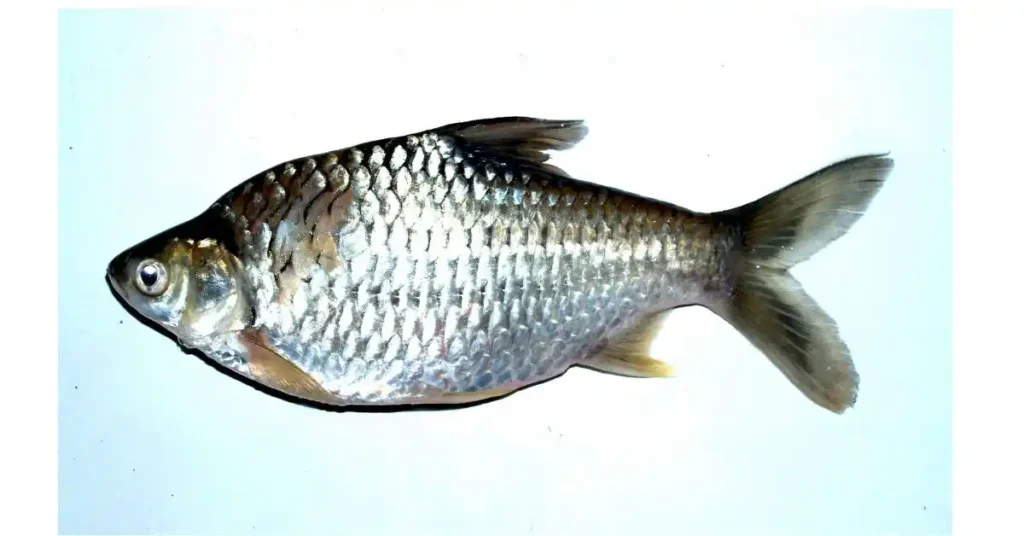
Fish nutrition
Fish need species appropriate feed with the right balance of protein, energy, fat, vitamins and minerals.
Catfish and tilapia do not automatically need the same diet.
Feed form, pellet size, water stability, digestibility and feeding rate also matter.
Fish do not need to “eat constantly” to stay healthy. Feeding frequency depends on species, size, water temperature, production system and feed type.
Uneaten feed can also damage water quality.
For fish farming planning, use our Fish Farming in Nigeria Guide.
Hay and silage are not the same thing
Hay is forage that is cut and dried for storage.
Silage is forage preserved under airtight conditions through controlled fermentation.
Silage is not simply hay stored in a pile.
Both can help farmers preserve feed for periods when fresh forage is limited.

What is feed concentrate?
Concentrates are feeds that supply more nutrients and less fibre than roughages.
They can include energy rich ingredients such as grains and protein rich ingredients such as soybean meal or groundnut cake.
Concentrates are useful, but they still have to be balanced correctly.
For more detail, see our Livestock Feed Concentrates Guide.
What is a premix?
A premix is a concentrated mixture used to supply small amounts of vitamins, trace minerals and sometimes other additives.
Premix is included at a low level, so accurate weighing and mixing are very important.
Do not swap one premix for another without checking the label and intended animal.
What about feed additives?
Feed additives have specific jobs.
Depending on the product, they may help with:
- preserving feed;
- protecting fats from oxidation;
- improving pellet quality;
- supporting digestion;
- controlling certain feed risks; or
- supplying specific nutrients.
Do not add products simply because another farmer uses them.
Every additive should have a clear reason and should be used according to the product label.
Antibiotics are not nutrition
Antibiotics are medicines used against bacterial disease. They should not be treated as nutrients or routine growth boosters.
Using antibiotics without a clear reason can waste money, hide disease problems and contribute to antimicrobial resistance.
If bacterial disease is suspected, investigate the cause and use medicines according to veterinary guidance and product withdrawal instructions.
How much feed should an animal eat?
There is no one amount for every animal.
Feed intake depends on:
- species;
- age;
- body weight;
- production stage;
- temperature;
- feed energy level;
- health; and
- water availability.
Use breed, strain or species guidance as a benchmark, then compare with actual farm records.
How do you know whether a feed is working?
Do not judge feed only by smell, colour or price.
Watch the animals.
Check:
- weight gain;
- feed intake;
- feed conversion where useful;
- egg production;
- egg size and shell quality;
- milk output;
- body condition;
- droppings or manure;
- mortality; and
- overall health.
For poultry, use our How Do I Know If the Feed I Bought Is Working? guide.
Cheap feed can become expensive
A low price per bag does not automatically mean a lower feeding cost.
If the feed gives poor growth, low egg production or poor feed conversion, the real cost may be higher.
Compare the cost of feed with the result it produces.
Use our Feed Cost Calculator to work out ingredient cost and feed batch cost.
Do not formulate feed with price alone
Least cost does not mean cheapest ingredients.
A low cost ration still needs to meet the animal’s nutrient requirements.
If a formula saves money but birds grow slowly or egg production falls, it is not a successful formula.
When should you use laboratory analysis?
Testing is especially useful when:
- you buy large quantities of ingredients;
- supplier quality changes;
- performance drops after a feed change;
- you are producing feed commercially;
- you suspect adulteration; or
- you are using variable by products.
Laboratory analysis can help confirm moisture, crude protein, fibre, fat, ash and other values.
For serious formulation, additional information may be needed for amino acids, minerals, energy and mycotoxins.
Common livestock feeding mistakes
- Feeding every age group the same ration.
- Using poor quality ingredients because they are cheap.
- Ignoring water.
- Replacing ingredients kilogram for kilogram.
- Judging feed only by crude protein.
- Using too much fibrous material in poultry or young pigs.
- Changing feed suddenly without a reason.
- Using medicine to cover a nutrition or management problem.
- Keeping no feed or performance records.
- Copying another farmer’s formula without checking ingredients.
Simple farmer nutrition checklist
- Animal type identified.
- Age and production stage known.
- Water reliable.
- Main feed ingredients checked.
- Ration suited to the animal.
- Ingredient quality checked.
- Premix and small ingredients weighed accurately.
- Feed stored dry and protected.
- Performance recorded.
- Formula reviewed when ingredients change.
Bottom line
Livestock nutrition becomes much easier when you stop thinking of feed as one bag and start thinking about what the animal actually needs from that bag.
Energy, protein, amino acids, minerals, vitamins, fibre, fat and water all have jobs.
The right balance depends on the animal and production stage.
Feed the animal in front of you, not the formula somebody used on another farm.
For the next practical step, use the Livestock Feed Ingredients Guide to understand what each ingredient brings to the ration, then use the Feed Cost Calculator when you want to cost a feed batch.




One Comment
Nice article and more knowledge gained????