What is biosecurity? How can it be managed and maintained? What precautions should be taken when sourcing poultry birds and transporting birds to the farm?
This article explains what biosecurity means and how it can be applied to poultry health management.
Definition?
According to the Food and Agriculture Organization (FAO), “Biosecurity” encompasses a thorough and highly organized approach that encompasses policies and regulations aimed at identifying and effectively managing potential threats to the well-being of humans, animals, plants, and the environment.
Thus, biosecurity is preventing the introduction, spread, or re-emergence of diseases in human, animal, plant, and other biological systems.
This comprehensive definition encompasses a wide range of actions that aim to halt the transmission of diseases between animals and plants, as well as between animals and humans.
This has become a popular topic in agriculture because the world is becoming increasingly connected through trade and travel.
Types of Biosecurity Plans
There are many types of biosecurity plans that you can implement in your poultry farm. Some of these include:
- Disease surveillance
- Quarantine
- Vaccination
1. Disease surveillance is a vital component of biosecurity on poultry farms. It involves the collection and analysis of data so that you can identify outbreaks of disease.
4. Quarantine is another vital part of biosecurity on poultry farms. This involves isolating animals or plants that may be infected with a disease.
3. Vaccination is another form of biosecurity in poultry. It involves vaccinating animals against disease.
READ ALSO: Tips on avoiding vaccination failure on poultry farms
BIOSECURITY PLAN IN POULTRY FARM
Every farm should have its own individual biosecurity plans that map out guidelines for the prevention and spread of infectious diseases on its farm.
The first thing you need to do when setting up a new poultry farm is to develop effective biosecurity farm plans. Also, read Symptoms of a Sick Chicken Flock.
A biological security farm plan helps you define the standards and procedures you will engage in to keep the farm safe from diseases and pests. The farm needs to have a plan because, without one, the farm is open to several risks and threats.
COMPLIANCE
Poultry farm management has a crucial role to play in ensuring that the poultry flock remains healthy and free from diseases.
Implementing and enforcing biosecurity guidelines is essential to effectively eliminate the threat of diseases like bird flu, Gumboro disease, fowl cholera, and avian influenza, as well as other harmful microorganisms like e-coli and salmonella species.
By doing so, the well-being of the flock will be secured, and potential future threats will be eliminated.
We usually implement it as part of a poultry farm-specific biosecurity plan. The plan is developed by the farmer and should be based on the needs of the poultry farm and the biosecurity farm requirements of the flocks.
Moreover, it should comply with local and state laws. A good farm plan should also include the steps that need to be taken to protect the farm from disease outbreaks and pests.
IMPORTANCE OF BIOSECURITY FOR POULTRY.
Poultry farming is a very lucrative business that has grown rapidly in recent years. However, it is also a risky business. Many diseases can affect the health of poultry and cause significant economic losses.
Biosecurity on poultry farms is one of the most important tools farmers must utilize to help keep their operations healthy and profitable.
Biosecurity measures in poultry should be reviewed and updated periodically. We should also review them after any changes in the farm environment and activities.
Tips to Implement Biosecurity in Poultry Farms?
The biosecurity plan is developed by the farm management and should be based on the needs of the farm and the health requirements of the poultry birds. When considering protection guidelines for farm operations, keep the following tips in mind:
1. Keep your farm and equipment as clean as possible. Use water and detergent containing disinfectant to wash and clean trays, machines, trolleys, and other hatchery equipment.
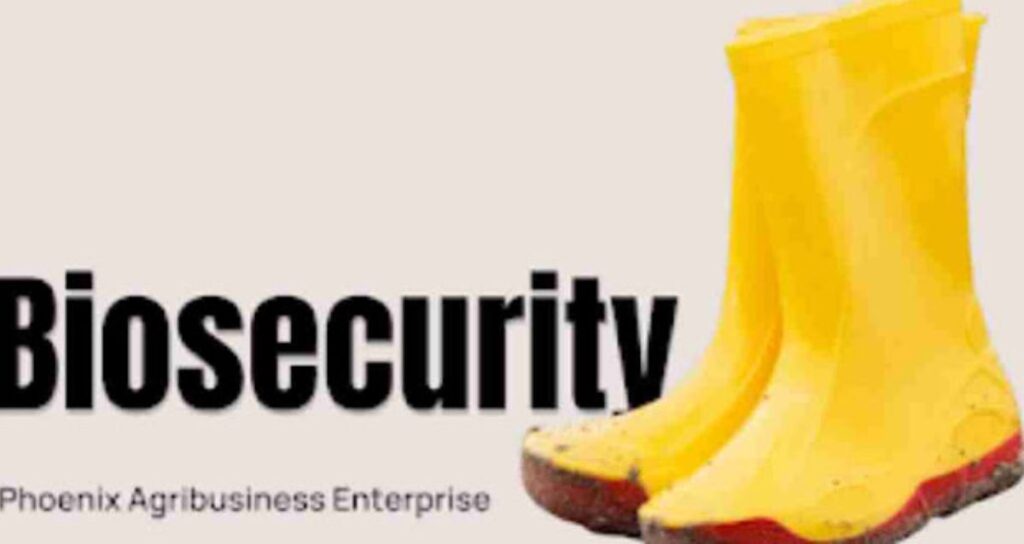
2. Use personal protective equipment such as gloves, boots, and masks.

4. Keep sick poultry birds isolated for careful examination by veterinary and para-veterinary personnel.
5. Practice an all-in-all-out system of raising poultry to prevent the transmission of diseases between birds of different ages and breeds.
6. Make sure that workers and other people do not come in contact with sick chicken or their droppings.
7. All vehicles and trucks supplying feed and feed ingredients should be sprayed using iodine and formalin-containing disinfectants daily.
8. You should make foot-deep-containing disinfectant available for both farmworkers and visitors at the farm gate and at the entrance of each pen.
9. Vaccination is a veritable biosecurity measure that should be properly done when due.

10. Ensure you purchase your birds, be they layers or broilers, from a verifiable and trusted source.
11. All dead birds and litter from empty pens should be sprayed with 10% formalin and covered with soil.
12. Maintain fences and gates to reduce the risk of stray birds interacting and infecting your poultry bird.
13. Stop reusing feed bags and disallow strange bags from being brought into your farm premises.
14. Overcrowding of birds should be avoided, and strict adherence to recommended floor space requirements should be enforced.
15. Bird underfeeding is a management technique that puts birds at a higher risk of infection. This is because undernourishment leads to weakened body immunity, making them more susceptible to diseases.
Give your birds adequate and complete rations to boost their immunity against sicknesses and diseases.
16. Keep all visitors and equipment separated from poultry birds and feed. This prevents disease-causing organisms from being passed onto your poultry birds.
CONCLUSION
Biosecurity measures are crucial in preventing and containing the spread of contagious illnesses within poultry farms.
Activating preventive protocols on the farm is crucial for farmers to effectively reduce the risk of disease outbreaks.
Ensuring optimal hygiene practices and efficient disease management not only protects the welfare of livestock but also enhances the overall health and sustainability of farms.