The Gumboro disease (infectious Bursal disease) was discovered in the 1960s and has become one of the most common poultry illnesses in the world. This highly contagious disease spreads rapidly but understanding how to prevent its outbreak can significantly reduce your stress and save you money.
Also read: White Diarrhea in Poultry: Causes and Treatment
What is Gumboro disease?
According to Emergency Animal Disease Bulletin No. 124 of the Australian Government Department of Agriculture, it is an immunosuppressive viral disease of chickens caused by the Infectious Bursal Disease virus (IBDV). The highly infectious disease is also known as infectious bursal disease or IBD.
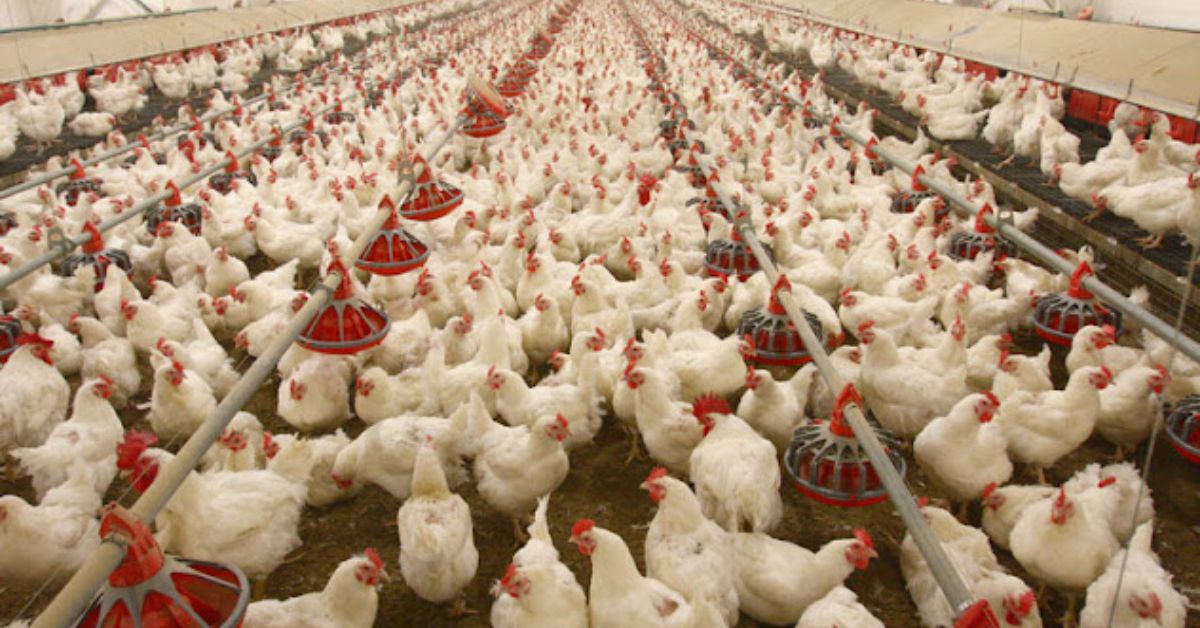
It is highly contagious and can spread quickly through a flock of birds between 3–8 weeks of age. However, cases of attacks at 10 to 11 weeks old have been reported in young laying hens (layers).
The disease attacks the Bursal of the Fabricius, an organ whose duty is to produce antibodies for the protection of the bird’s health. Hence, the bird cannot protect itself from other secondary infections.
Symptoms of Gumboro Disease
The most common symptoms of the disease include:
- High morbidity
- Soiled feathers.
- Listlessness.
- Decreased appetite.
- Droopy wings
- White watery diarrhoea.
- Soiled vent.
- Increased thirst.
- Increased mortality.
The virus can remain in the environment for extended periods, making it difficult to eradicate once it has been introduced to a farm.

How does the Gumboro virus spread?
The virus spreads through contact with infected birds, faeces, or contaminated equipment and surfaces. The virus can also be spread through the air, particularly in enclosed spaces such as chicken pens.
In the event of an outbreak, it’s more common among the layers birds than the broiler birds; and recovery is in less than 10 days.
How to prevent the Gumboro Disease outbreak
To prevent the spread of this immunosuppressive disease, practice good biosecurity on your poultry farm. Please note that there is no treatment for this disease; broad-spectrum antibiotics can be administered to protect birds from secondary bacterial infection.
Several methods can be used to prevent disease outbreaks on poultry farms. These include:
Vaccination.
Vaccination is the most effective way to prevent the spread of the deadly virus. Different types of vaccines are available, and they should be selected based on the age and species of bird being vaccinated.
There are two types of vaccine available: live attenuated vaccine and inactivated vaccine. The efficacy of the vaccine depends on the age of the chickens, with young chickens being more responsive to vaccination.
Vaccinated chicken develops short-lived immunity, so regular booster vaccination is needed.
Biosecurity measures.
One of the best ways to prevent an outbreak and the spread of infectious Bursal disease virus on your poultry farm is to put in place strict biosecurity protocols.
This means preventing contact between your birds and other potential sources of the disease, such as wild birds, rodents, and other poultry farms. There are a few key things you can do to help maintain biosecurity on your farm:
· Keeping sick birds isolated from healthy birds, using separate equipment for sick birds.
· It also includes restricting access to farms.
· Disinfecting clothing and equipment.
· Maintaining clean housing facilities at all times.
· Build a perimeter fence around your farm to keep wild animals out.
· Restrict access to your farm so that only authorized personnel can enter
· Regularly clean and disinfect all buildings and equipment on your farm.
· Establish a quarantine area for new birds brought onto the farm.
· Monitor your birds closely for signs of illness.
Other measures include:
1. Isolate any sick birds immediately.
If you notice any of your birds seeming lethargic or acting strangely, remove them from the rest of the flock and observe them closely.
2. Keep your flock healthy and well-fed.
A robust immune system is vital to prevent any disease, including Gumboro disease. Ensure that your chickens eat a nutritious diet and plenty of fresh water.
3. Keep your pen clean and disinfected.
The disease is easily spread through contact with contaminated surfaces. If you discover that your birds have contracted the disease, it is crucial to isolate them immediately and contact your veterinarian.
Good sanitation practices.
Good sanitation practices are essential for preventing it and other diseases from spreading. These practices include removing manure from housing facilities, cleaning and disinfecting water sources, and keeping food sources clean.
Quarantine
This is a restriction on the movement of people and poultry products intended to prevent the spread of disease or pests. There is an educative blog post on how to quarantine your new/sick chickens. This method is usually used for safeguarding public health but can also be applied to plants or animals.
Ventilation
Finally, good ventilation is essential in preventing the spread of the virus, as the virus can spread quickly in humid and crowded conditions. Also, read Floor Space Requirements for Broilers & Layers.
The Difference between Gumboro disease and coccidiosis
Gumboro disease, also known as Infectious bursal disease (IBD), and coccidiosis are two distinct poultry diseases that affect chickens. Although they can both cause significant health issues, they are caused by different pathogens and have different effects on the birds.
Gumboro Disease (Infectious Bursal Disease):
Pathogen: Gumboro disease is caused by a highly contagious virus known as the infectious Bursal disease virus (IBDV).
The virus has a specific target: the bursa of Fabricius. This organ, which can be found near the chicken’s cloaca, plays a pivotal role in the development and maturation of B lymphocytes.
These white blood cells are responsible for producing antibodies, making them a crucial part of the chicken’s immune system.
Transmission: Gumboro disease spreads through direct contact with infected birds, their droppings, or contaminated materials.
Symptoms: Infected chickens may exhibit depression, lack of appetite, watery droppings, dehydration, and immunosuppression, which makes them susceptible to secondary infections.
Impact: Gumboro disease can cause severe immunosuppression, leading to increased vulnerability to other infections and reduced vaccine efficacy. Mortality rates can vary, but they can be high in young chickens, especially those around three to six weeks of age.
From experience on our farm, in the Gumboro disease outbreak, the birds go off feed which may cause a rise in the mortality rate in 2–3 days to as high as over 60%.
Coccidiosis:
Pathogen: Coccidiosis is caused by various species of protozoan parasites belonging to the genus Eimeria. Varied species of Eimeria can affect various parts of the chicken’s intestinal tract. Consult your veterinarian for any suspected case of Coccidiosis.
Targeted Organ: The parasites primarily target the chicken’s intestinal lining, causing damage and leading to intestinal inflammation.
Transmission: Coccidiosis spreads through the ingestion of oocysts (the parasitic form) shed in the faeces of infected birds.
Symptoms: Infected chickens may show signs such as bloody or mucoid diarrhoea, reduced growth, decreased feed intake, lethargy, and dehydration.
In the Coccidiosis disease outbreak, the birds still eat their feed; the mortality rate is not as high as that of the Gumboro disease outbreak.
Conclusion
In conclusion, it is essential to take measures to prevent the outbreak of Gumboro in poultry farms. While there is no cure for this infection, there are some steps you can take to prevent it from spreading to your flock.
The most effective way to do this is by putting in place biosecurity measures and maintaining cleanliness on the farm. Always remember to contact your veterinarian if you suspect that your chickens have Gumboro disease.
Disclaimer:
The information in this article is for educational purposes only and should not be considered a substitute for professional veterinary advice. Always consult with a qualified veterinarian for any health concerns or before making any decisions regarding the care or treatment of your animals.