Are you worried that your broiler chickens are not growing? Do you want to increase the body weight of your broiler chickens? This article explains the main reasons why broiler growth is limited and provides solutions to help your broilers reach their full potential.
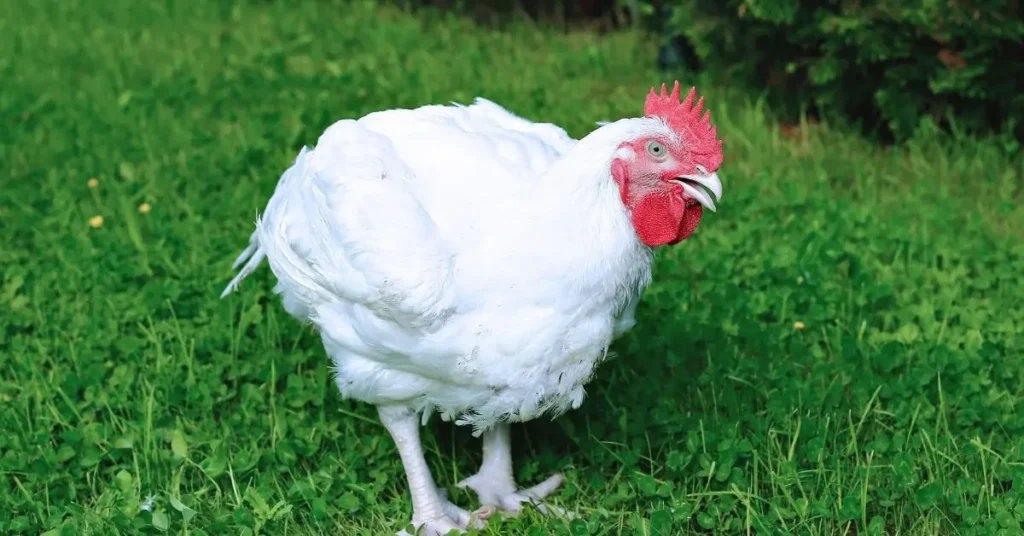
A broiler is a type of chicken that is specifically raised for meat. It grows quickly and gains weight in a short amount of time. When broiler chickens are not growing as expected, it becomes a problem for the farmer.
Also read: The Profit Analysis of Broilers vs. Layers Chicken Farming Business.
My broiler chickens are not growing?
There are many reasons broilers cannot attain their potential body weight. However, there are also many ways to help remedy these problems.
By identifying the root cause of poor growth, you can treat it appropriately and avoid the problem in the future.
What’s Causing the Problem?
Now, let’s have a look at some reasons why your broilers are not growing and proffer solutions to them.
Genetic Make-up
Genetics is crucial for broiler growth. So, buy day-old chicks from a trusted hatchery. There are several benefits to buying your broiler day-old chicks from a reputable hatchery.
These hatcheries produce the best birds on the market because they are well cared for, and they select their parents for their weight gain traits.
They also have an excellent record of producing birds that grow fast and are healthy. A reputable hatchery will also provide you with a written guarantee of the quality of the chicks they sell.
Nutrition (Poor Nutrition)
An important reason why your broiler chickens are not growing is poor nutrition. Broilers are very sensitive to poor nutrition.
Failure to receive adequate and the right feed during the critical period from hatching to 21 days old can have significant consequences. This includes reduced body weight, increased mortality, and lower productivity.
Broilers need a diet high in energy, protein, vitamins, minerals, and good fats. One benefit is that it will make them grow faster with better weight.
The best way to ensure that your broilers get the right nutrition is to feed them a well-balanced broiler feed. The nutritional requirement of broiler chicken is different from that of pullets, layers and cockerels.
Proper nutrition gives them the nutrients they need to grow, like protein, carbohydrates (energy), vitamins, and minerals.
.jpg "What To Do When your Broiler Chickens Are Not Growing")
Improper Brooding Methods.
Broilers require lots of attention, especially during the first few weeks of life. Broilers can grow quickly, but they also have a high mortality rate because of improper brooding methods.
Common mistakes when brooding chicks are: not enough space or too much heat, using unsuitable bedding materials such as wood shavings, straw, or pine chips.
The first thing you should do is to check the temperature of the brooder. Make sure that the temperature is right for your broiler chicks.
You can measure the temperature with an inexpensive thermometer that you can buy from any store. However, the best method to determine adequate brooder temperature is the chick’s reaction to heat.
Overcrowding/Overstocking
Overcrowding, which is simply stocking a pen beyond its actual capacity, can cause poor broiler growth performance.
Overcrowding can cause health problems for animals, like lower food intake, slower growth, and a higher risk of disease transmission, which can lead to lower weight gain and more deaths.
It also increases cannibalism, ammonia build-up, and wet litter.
Keep the broilers in the right pen size, using the recommended floor space requirement. When you overstock a pen, it takes up too much room for the broilers to move around freely. This means that they won’t be able to eat enough to grow well.

Overcrowding
Inadequate Ventilation
Proper ventilation is essential for maintaining the health and well-being of broilers. If your broilers are not getting enough fresh air, they may not get enough oxygen in their blood.
This can cause the chickens to stop eating, and they will start getting sick. This is because chickens need oxygen to grow and develop properly.
Ensure to keep the house dry and prevent the build-up of harmful ammonia from digesting protein. To keep your broilers healthy and maintain their weight, make sure they have enough ventilation and fresh air.
Disease Infestation
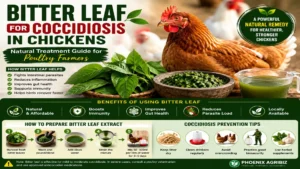
The most common of these diseases are Newcastle disease, Gumboro, Avian influenza, Mycoplasma gallisepticum, Colibacillosis, salmonellosis, coccidiosis, etc.
These diseases can cause different symptoms, such as weight loss, diarrhoea, ruffled feathers, and even death.
Ensure that you maintain strict biosecurity measures at all times and stick to the recommended vaccination schedule.
Give the vaccine at the right time and do not overshoot the recommended dosage. You can read more about vaccines and vaccination here: Tips on Preventing Vaccination Failure on Poultry Farms.
Environmental Stress Factor
A good broiler house is important to keep the broilers comfortable throughout the day. There are many drawbacks to having a broiler house that is too hot, too cold, too humid, too dry, or too noisy.
For example, if the broiler house is too hot, they will not eat well and therefore will not grow as fast as they ought to.
When the temperature in the broiler house rises above the thermo-neutral range, it can lead to heat stress. Broiler chickens cannot regulate their body temperature when it gets too cold.
In the event of a sudden decrease in temperature, they might experience anaemia, consequently hampering their growth rate. They may also die if they don’t have access to a source of heat.
If the humidity is too high, the chickens cannot breathe properly and cannot regulate their body temperature. This will cause them to become sick and stunted.
What’s more, if the broiler house is too dry, then the chickens cannot stay hydrated. The most common cause of poor broiler growth is dehydration. This means that you’ll need to ensure that your broilers get plenty of water.
Conclusion
In conclusion, we have been able to answer the question “Why are my broilers not growing?” Genetic selection has a tremendous impact on the growth rate of broiler chickens.
To maximize the growth of your broilers, choose a high-quality diet. A good quality diet will give you more nutrients and help your broilers build strong bones and muscles.
If you do not provide your broilers with a suitable environment, then you may find that they do not grow as well as they could.
Thanks for reading.