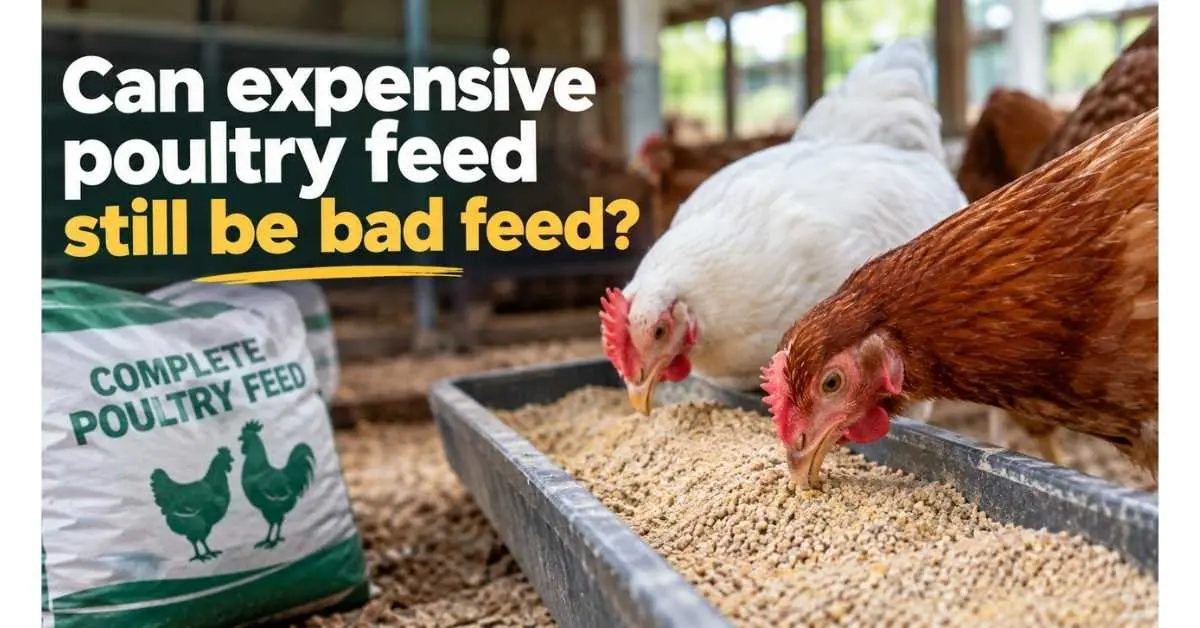
Feed is expensive, so the temptation is understandable: “Let me reduce the feed small. The birds will manage.”
For a small poultry farmer, that decision can feel like the fastest way to control cost. But with broilers, cutting the birds’ actual feeding needs can create a second problem: slower growth, uneven birds and extra days on the farm.
Reduce wastage first. Do not reduce the bird’s nutritional needs by guesswork.
The aim is not to make birds eat as much as possible. The aim is to make sure the feed you buy is turned into useful growth with as little waste as possible.
What happens if broilers do not get enough feed?
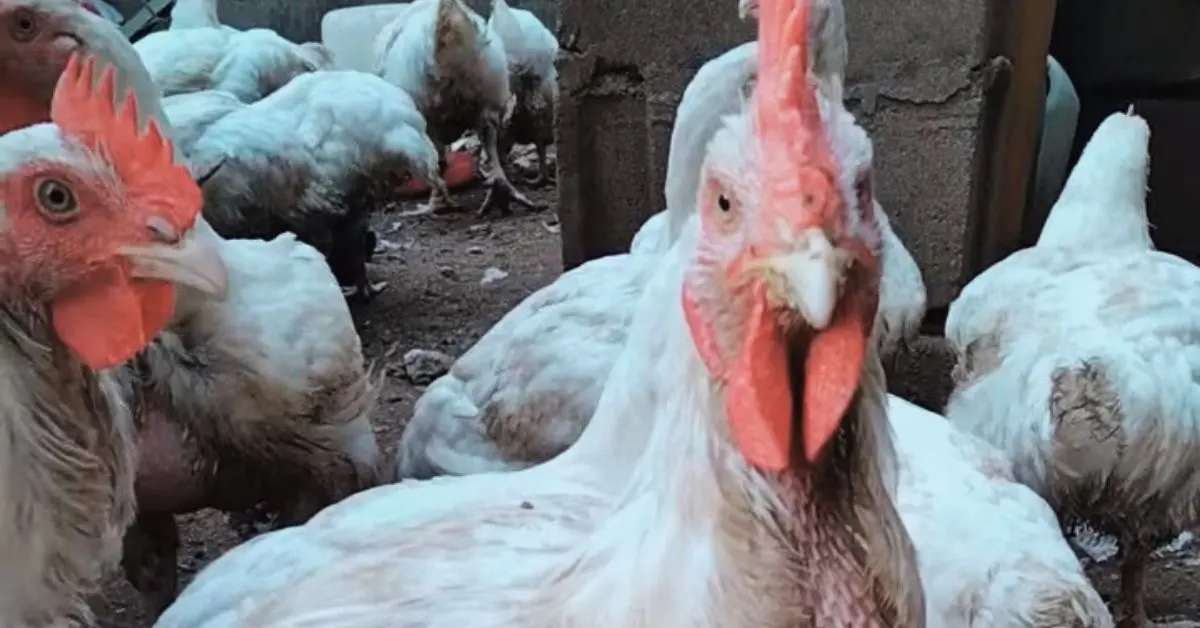
Broilers are selected to grow quickly. If they consistently receive less feed than they need, you may notice:
- slower weekly weight gain;
- more small birds in the flock;
- poor flock uniformity;
- stronger birds dominating feeder space;
- a longer time to reach market weight;
- poorer feed efficiency in some situations; and
- more money spent on extra days of labour, litter, water and management.
That is why a cheap looking decision can become expensive later. If market day comes and the birds are still too small, the farmer may end up buying more feed anyway.
First, separate feed wastage from underfeeding
This is the most important distinction.
Feed wastage means feed is being purchased but not eaten. It may be falling on the floor, being scratched out of feeders, getting wet or being contaminated.
Underfeeding means the birds are not being given enough feed to support the growth expected from them.
If feed is all over the floor, reduce the waste. If the feeders are constantly empty and the birds are still below target weight, cutting the quantity further is a different matter.
Aviagen’s broiler management guidance stresses that feeding system management affects feed access and intake. See Aviagen’s broiler management guidance.
How can I reduce poultry feed cost without underfeeding?
Start with the losses that do not help the bird:
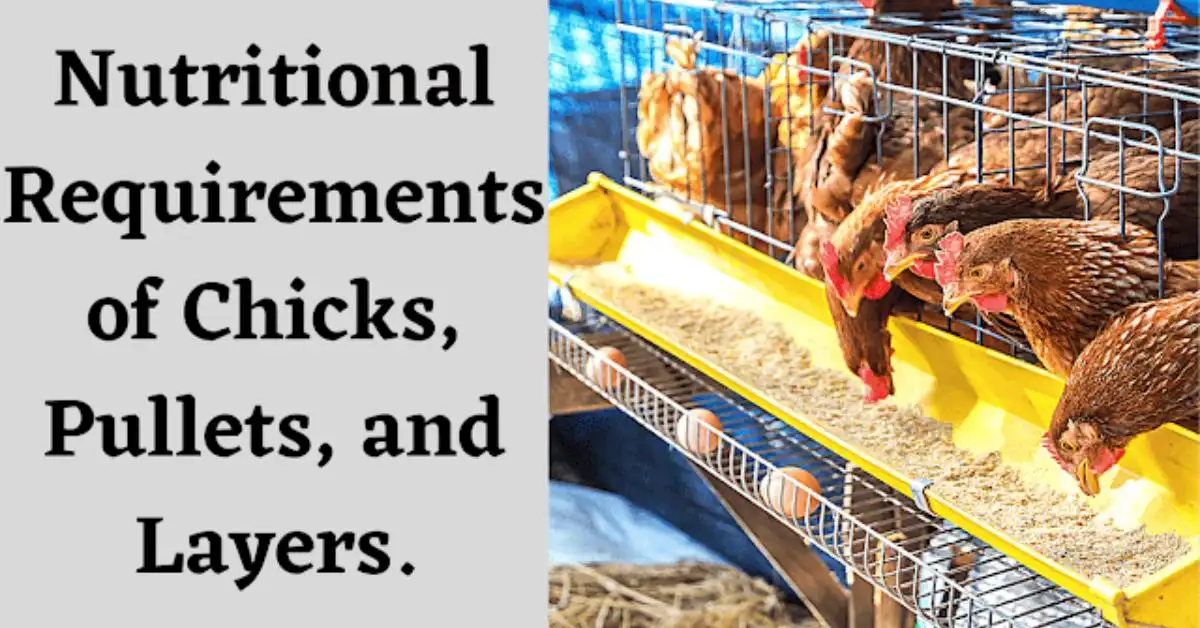
- Check feeder height. Feeders that are too low can encourage birds to throw feed out.
- Do not overfill feeders. A deep pile of feed is easier for birds to waste.
- Repair leaking drinkers. Wet feed and wet litter are losses.
- Store feed properly. Protect bags from rain, damp floors, rodents and insects.
- Keep mortality low. Feed eaten by a bird that later dies before sale is part of the production loss.
- Buy the correct feed for the stage. Starter, grower and finisher feeds are made for different periods.
- Track market age. Keeping birds longer than necessary can increase total feed cost.
This is the kind of saving a farmer should chase first.
“But my birds finish everything I give them”
An empty feeder does not prove that the birds received enough feed.
Weigh a representative sample every week. Record:
- bird age;
- number of birds alive;
- average live weight;
- total feed used;
- mortality; and
- any major change in heat, disease, water or feed brand.
Then compare the flock’s growth with the broiler feeding and weight chart. For planning, use the Broiler Feed Calculator.
Use FCR instead of guessing
Feed Conversion Ratio, or FCR, helps you see how much feed produced a given amount of weight gain.
If two flocks both reach market size but one flock uses much more feed, the records will show it. Use the FCR Calculator after recording feed used and weight gain.
Do not use FCR alone to blame a feed brand. Heat stress, disease, poor water supply, mortality and feed wastage can all affect the result.
What if feed prices suddenly go up?
This is where many small farmers get trapped. Feed price rises, so they start “managing” the birds by cutting quantity.
A better approach is to ask:
- Can I reduce wastage?
- Can I buy more carefully without buying poor quality feed?
- Can I compare brands using real performance records?
- Can I reformulate properly if I mix my own feed?
- Can I adjust my production plan, flock size or market timing?
Do not solve a price problem by weakening the ration blindly. If you formulate feed yourself and maize, soybean meal, groundnut cake or another ingredient becomes expensive, recalculate the complete ration. Use the Feed Cost Calculator to compare the whole 100 kg mix.
Do not add extra maize or bran just to make feed last longer
This is another common mistake.
Adding more maize, bran or another cheap ingredient without reformulating the diet changes the balance of the feed. The birds may eat a full crop but still receive less protein, amino acids, minerals or other nutrients than they need.
A bag that lasts longer is not automatically saving you money if the birds also take longer to reach market weight.
Water can make a good feed look bad
Birds cannot use feed properly without enough clean water.
If growth is poor, check water availability, drinker flow, heat stress, disease, stocking density and feeder access before concluding that feed quantity is the only problem.
If feed is disappearing but growth is poor, use our broiler growth troubleshooting guide.
A simple farmer check before you reduce feed
- Look under the feeders. Is feed being wasted?
- Check feeder height and filling level.
- Count the birds alive.
- Weigh a good sample.
- Write down total feed used.
- Compare weight with age.
- Check water, heat and disease signs.
- Calculate FCR.
- If price is the problem, compare the total production cost instead of simply cutting feed.
For Nigerian smallholder farmers, feed cost is a serious pressure, and recent industry reporting continues to show how strongly feed prices affect poultry profitability. See Nigerian farmer reports on feed cost pressure.
The best feed saving is feed that stops being wasted: not feed the bird needed but never received.