
Broiler farming brings many questions. New farmers ask about feed, water, brooding, weight, space, disease, vaccines and market age.
This guide gives simple answers for Nigerian farmers.
Where a number can change with strain, weather, feed or farm conditions, we will say so. Do not force your birds to match one number on paper.
1. What is a broiler chicken?
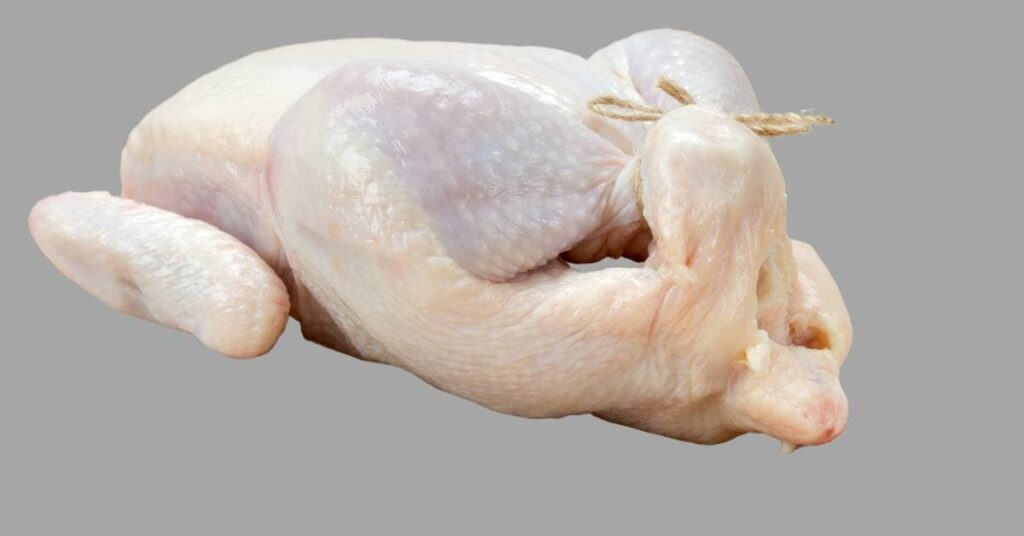
A broiler is a chicken bred mainly for meat.
Modern broilers grow fast because of genetics, good nutrition and good management.
FAO explains that much of the improvement in commercial broiler growth has come from years of genetic selection.
See the FAO poultry breeding guide.
2. What is the difference between a broiler and a layer?
Broilers are bred for meat and fast growth.
Layers are bred to produce many eggs over a long laying period.
Their feeding, housing and management are different.
3. How do I start a broiler farm?
Start with the market, not the chicks.
Before buying birds, know:
- who will buy them;
- the weight buyers want;
- how much feed will cost;
- where the birds will stay;
- how water will be supplied; and
- how you will handle disease and mortality.
Then prepare the house before the chicks arrive.
4. At what age are broilers ready for market?
There is no one market age for every farm.
Many commercial broilers are sold from about five to eight weeks, depending on strain, feed, target weight and buyer demand.
Some Nigerian farmers keep birds longer for heavy bird markets or festive sales.
Use our guide on keeping broilers beyond six weeks before deciding.
5. How do you raise broilers well?
Focus on the basics:
- good chicks;
- good brooding;
- clean water;
- balanced feed;
- dry litter;
- good airflow;
- correct stocking;
- biosecurity; and
- daily records.
6. What kind of house do broilers need?
Most Nigerian broilers are raised on deep litter.
The house should be dry, airy and protected from rain, predators and direct cold wind during brooding.
It should also allow good airflow during hot weather.
Battery cages are not the normal housing system for commercial broilers.
7. Do broilers grow fast because of hormones?
No.
Modern broilers grow fast mainly because breeders have selected birds for fast growth and good feed use over many generations.
Feed quality and management also play a major role.
Do not confuse fast genetic growth with hormone use.
8. What do broilers eat?
Broilers need a complete feed made for their stage of growth.
The usual stages are:
- starter;
- grower; and
- finisher.
The exact days for changing feed can differ between feed companies and breeder programmes.
9. How much feed does one broiler eat per day?
The amount changes with age.
A chick eats very little. A heavy broiler eats much more.
Do not use one daily number for the whole growing period.
Use our Broiler Feeding Chart for weekly planning.
10. How many bags of feed will 50 broilers eat?
It depends on age, final weight, mortality, feed wastage and bag size.
For planning, take the figure for 100 birds in our feed chart and divide it by two.
Then add a small allowance for normal farm variation.
11. How many bags of feed will 100 broilers eat in six weeks?
Our current planning chart gives roughly 469 to 511 kg of feed for 100 birds by 42 days under good commercial conditions.
That is about 19 to 21 bags if your feed comes in 25 kg bags.
Your own flock may use less or more.
12. How long should I brood broiler chicks?
Brooding continues until the chicks can keep themselves comfortable without extra heat.
This is not decided by age alone.
Weather, house type and chick behaviour matter.
Watch the chicks.
If they crowd tightly under the heat source, they are cold.
If they move far away and pant, they are too hot.
13. What temperature do broiler chicks need?
Young chicks need a warm brooding area because they cannot control body temperature well at first.
Do not manage brooding from a thermometer alone.
Use temperature as a guide, then look at chick behaviour, spread, feeding and drinking.
The Ross Broiler Management Handbook 2025, pages 29–34 explains brooding conditions, temperature and humidity, and chick behaviour. This is Ross guidance: confirm the appropriate conditions for your actual strain and housing with the hatchery adviser.
14. How much floor space do broilers need?
Space depends on final bird weight, weather, ventilation and house type.
In hot open houses, the number should be lower than in houses with strong environmental control.
Use our Nigerian Broiler Floor Space Guide.
15. What are common health problems in broilers?
Common problems include:
- coccidiosis;
- Gumboro disease;
- Newcastle disease;
- respiratory disease;
- wet litter problems;
- leg problems;
- heat stress; and
- gut problems.
Prevention starts with brooding, hygiene, vaccines, water, feed and biosecurity.
16. How do diseases enter a broiler farm?
Disease can enter through:
- new birds;
- people;
- vehicles;
- equipment;
- dirty water;
- rodents;
- wild birds;
- insects; and
- contaminated litter or crates.
17. When should I call for veterinary help?
Get help quickly when:
- many birds suddenly stop eating;
- mortality rises;
- birds struggle to breathe;
- there are nervous signs;
- bloody droppings continue;
- treatment is not working; or
- you suspect Newcastle disease or avian influenza.
18. What is the most important thing for fast broiler growth?
There is no single thing.
Good growth comes from good feed, enough water, healthy birds and a comfortable house.
If one fails, the others cannot fully compensate.
19. What should good broiler feed contain?
A good broiler feed must supply the right balance of:
- energy;
- amino acids;
- minerals;
- vitamins;
- fat; and
- other nutrients needed for the bird’s stage.
Do not judge feed by crude protein alone.
20. When should I change starter, grower and finisher feed?
Follow the programme for the feed you are using or the breeder programme where appropriate.
Do not keep changing feed because one bird looks small.
Change feed by flock stage.
21. Why is protein important?
Protein supplies amino acids used to build muscle, organs, feathers and other body tissues.
But more crude protein does not always mean better feed.
The amino acid balance matters.
22. Can broilers grow well on plant protein?
Yes, if the feed is properly formulated.
Soybean meal and groundnut cake are common plant protein ingredients in Nigeria.
The nutritionist must still balance amino acids, energy and minerals.
23. Is yellow maize better than white maize?
Not automatically.
Nigerian research shows that both can support good broiler growth when the ration is balanced.
Yellow maize gives more natural yellow pigment.
Read our Yellow and White Maize Guide.
24. How can I reduce broiler feed cost?
Reduce waste first.
Check:
- feeder height;
- feed spillage;
- rodents;
- poor storage;
- wet feed;
- bad feed conversion; and
- keeping birds too long without a profitable market.
Do not save money by simply starving the birds.
25. Do broilers need feed additives?
A complete commercial feed should already contain the basic nutrients the birds need.
Some farms use approved enzymes, probiotics, acidifiers or other additives for a clear reason.
Do not pour several products into the water just because growth looks slow.
26. How important is water quality?
Very important.
A broiler that does not drink well will not eat well.
Dirty water can also carry harmful organisms.
Use our Livestock Water Guide.
27. Is mash, crumble or pellet better?
Feed form affects intake and wastage.
Chicks usually handle good crumble well.
Older broilers often perform well on good pellets.
But poor pellets with too many fines can reduce the advantage.
28. How often should feeders and drinkers be cleaned?
Check them every day.
Clean open drinkers whenever dirt, slime, droppings or feed enters them.
Do not wait for visible green slime before cleaning.
29. What are signs of a feeding problem?
Watch for:
- poor weight gain;
- uneven flock size;
- poor feathering;
- weak legs;
- high feed use with poor growth;
- very wet droppings; and
- birds searching aggressively for feed.
30. How do I know if my broilers are eating enough?
Record the feed used and weigh a sample of birds every week.
Feed disappearing from the feeder is not enough.
The birds must turn that feed into weight.
31. What stocking density should I use?
Do not use one bird number for every house.
In hot weather, open houses need more space.
Arbor Acres gives about 20 to 25 kg live weight per square metre for open houses with poor environmental control, and lower figures during the hottest period.
Use the floor space guide linked earlier for the full calculation.
32. How often should I weigh broilers?
Weekly weighing is practical for most small farms.
Use a fair sample from different parts of the house.
Do not pick only the biggest birds.
33. What should I do with dead broilers?
Remove dead birds quickly.
Do not throw carcasses into bushes, drains or open rubbish where dogs, wild birds or rodents can reach them.
Use a safe disposal method that fits local rules and farm conditions.
34. What is the simplest disease prevention rule?
Keep disease out, and reduce spread if it enters.
That means:
- control visitors;
- clean equipment;
- keep rodents out;
- use clean water;
- vaccinate correctly;
- remove dead birds quickly; and
- do not mix new birds into an old flock carelessly.
35. Which vaccines do broilers need?
Common broiler programmes in Nigeria may include vaccines against Newcastle disease and Gumboro disease.
The exact timing depends on hatchery vaccines, local disease pressure, maternal antibodies and the vaccine product.
Do not copy one schedule from the internet and assume it fits every flock.
36. What is FCR?
FCR means feed conversion ratio.
It tells you how much feed the flock used to produce body weight.
A lower FCR usually means better feed use, but mortality and market weight must also be considered.
37. What should I do during heat stress?
Act quickly.
- Give plenty of clean cool water.
- Improve airflow.
- Reduce unnecessary handling.
- Do not overcrowd the house.
- Feed more during cooler hours where practical.
Use our Heat Stress Guide.
38. What should I do when broilers become sick?
Do not start mixing many drugs.
First check:
- how many birds are affected;
- age;
- feed intake;
- water intake;
- droppings;
- breathing;
- mortality;
- recent vaccine history; and
- recent changes in feed or management.
Then get proper diagnosis when the problem is serious or spreading.
39. Can I test for Salmonella at home?
Not reliably.
Salmonella confirmation needs proper laboratory testing.
Farm signs alone cannot tell you that Salmonella is the cause.
If a flock has repeated diarrhoea, poor growth, high mortality or a food safety concern, use a veterinary laboratory.
40. What diseases should every broiler farmer know?
Every broiler farmer should know the basic signs and prevention of:
- Newcastle disease;
- Gumboro disease;
- coccidiosis;
- respiratory disease;
- fowl typhoid and other Salmonella problems;
- avian influenza; and
- common gut problems.
Newcastle disease can cause respiratory signs, diarrhoea, nervous signs, egg problems and high mortality. WOAH warns that it can resemble avian influenza, so serious outbreaks need proper testing.
See the WOAH Newcastle disease guide.
Bottom line
Broiler farming becomes easier when you stop guessing and start keeping records.
Know how much feed the flock uses. Know the weight. Know mortality. Know your market.
Good broiler farming is not about one secret. It is doing the simple things correctly every day.