| How to Switch to a Chicken Layer Feed |
If you have a flock of chickens that you want to switch to a layer feed, there are a few things you need to consider before doing so. What type of feed is best for your chickens? How long do you want to wait before switching over?
Just as different breeds of poultry birds require different amounts of nutrients, so do different types of chicken require different types of nutrition. Chicks need a chick’s starter diet, growing pullets need a grower feed and the layers’ hen requires a layer’s diet.
Therefore, as a farmer, you must switch your chicken feed to the right type of feed for better productivity. Some farmers make the change gradually, while others jump right into a full-on chicken layer feed conversion.
This article will help you understand how to switch to a layer feed for your chickens, and how to transition as smoothly as possible.
What Is Chicken Layer Feed?
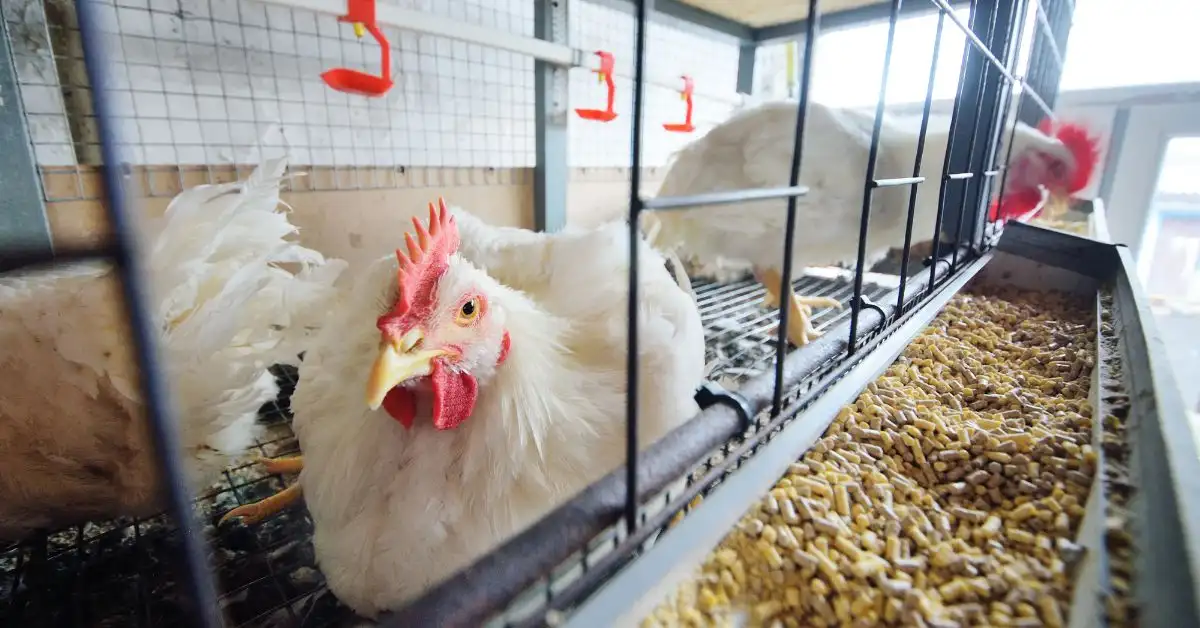
A chicken layer feed is a balanced mixture of high-quality proteins and carbohydrates designed to help chickens lay eggs in the most efficient way possible.
Layer diets are rich in protein and energy, which is crucial for egg production. A layer diet contains over 16% crude protein and about 5% crude fibre. It also contains a lot of vitamins, minerals, and other nutrients that are important for your birds.
Layer diet is made from ingredients such as Maize (corn), soybeans, wheat, barley, oats, alfalfa meal, vitamins, minerals, calcium, phosphorus, salt, and other additives. It provides your birds with all the necessary nutrients to produce more eggs.
Are you ready to Switch to a Layer Feed?
Moving your pullet from the grower’s feed to the layers’ feed can be a challenge, but it’s crucial to proceed gradually and cautiously to prevent any digestive issues. Here are a few steps to help make the transitioning process as smooth as possible for your chicken layer:
1. A recommended method for a seamless transition to the new chicken layer feed is to start by blending it with the old feed.
Over time, gradually reduce the old feed while increasing the new feed. This gradual approach ensures a smooth adjustment for the chickens.
This process should take around 7–10 days until the chickens are completely used to the new feed.
2. Once you’ve transitioned completely to the new feed, continue feeding it for at least 2 weeks to allow your chicken time to adjust.
3. Monitor your chicken closely during the transition period and after, looking for any signs of distress such as diarrhoea, vomiting, or lethargy. If you see any of these signs, stop feeding the new feed and consult a veterinarian.
4. They should now be able to eat the new feed on their own with no problems. This gradual transition will help avoid any digestive issues that could occur if you suddenly switch to a new type of food.
5. Finally, once you’ve successfully transitioned your chicken to the new feed, continue feeding it according to the manufacturer’s directions.
Alternative Switching Method.
Alternatively, you can from one chicken feed to another by using the below formula.
Day 1. Mix 70% of the old chicken feed with 30% of the new chicken feed.
Day 2. Mix 50% of the old chicken feed with 50% of the new chicken feed.
Day 3. Mix 30% of the old chicken feed with 70% of the new chicken feed.
Day 4. Administer vitamins and electrolytes for the next 5 days.
What Are the Benefits of a Chicken Layer Feed?
There are several benefits to using a chicken layer feed.
• It is a complete diet for chickens.
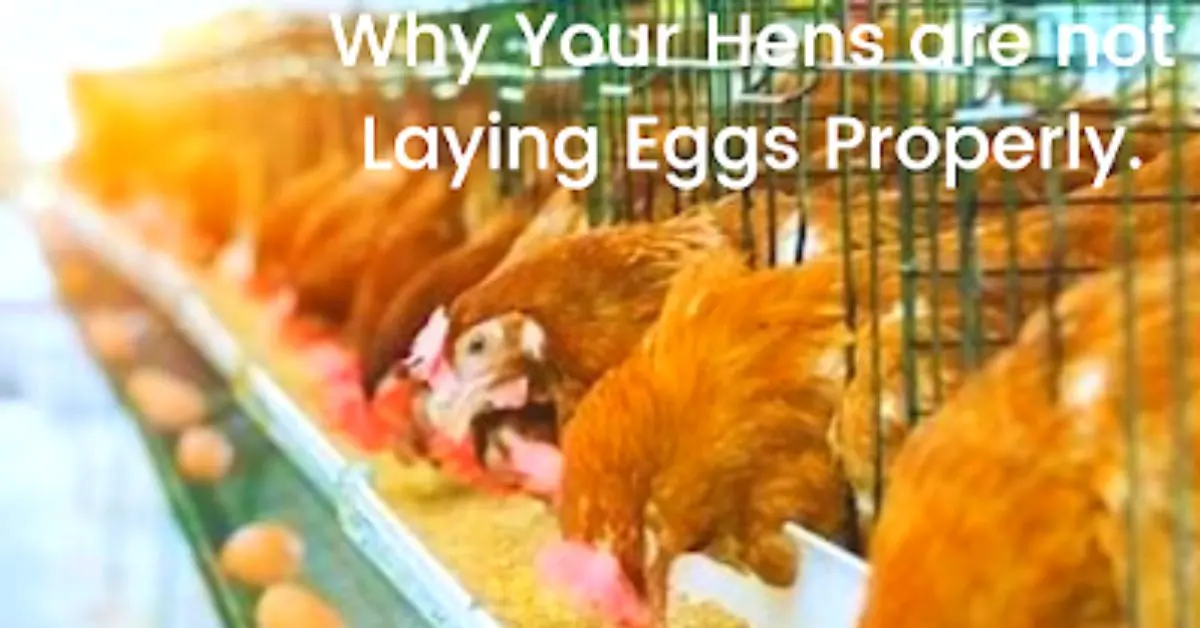
• It helps the chicken lay eggs at a more consistent rate.
• It provides the birds with the nutrients to lay eggs.
• It can reduce the stress associated with producing eggs.
• It can also improve egg quality.
• It can improve the overall health of your chickens.
How to choose the suitable feed for your flock?
Choosing suitable feed for your flock is one of the most important aspects of raising egg-laying chickens. There are many types of feed out there, and if you use the wrong type of feed, your birds will suffer.
A layer’s feed can vary depending on the brand. A crucial aspect of taking care of your flock is providing them with top-notch chicken layer feed, which is imperative for keeping your birds healthy and well-fed.
The first thing you will want to look for when buying feed for your laying flock is its nutritional content. You will want to be certain that the feed has enough protein, fat, fibre, and calcium for your chickens.
The laying feed you provide is crucial to ensure the optimal egg production, eggshell durability, and general performance of your flock.
To ensure efficient performance, it’s important to avoid using inexpensive feed that may not provide your flock of layers with sufficient nutrients. This will cause unhealthy birds, which will produce fewer and weaker eggs.
Note also, that expensive chicken feed does not translate to high-quality feed, therefore consult farmers with experience to help you choose the right feed for your birds.
Why do I need to switch?
As your chickens begin to lay eggs, you will need to switch to a layer feed to provide them with the nutrients they need to produce more eggs.
This process is called transition, and it is important to make sure that you do it correctly to avoid any health problems for your chickens.
When is the best time to start the switch?
The best time to switch to a layer feed is when your chickens are between 18 and 20 weeks old. They are expected to lay eggs at a steady rate of 5% hen day production. Providing them with chicken layer feed will supply the necessary nutrients.
When transitioning to a chicken layer feed, it’s important to choose one that is formulated with the required nutrients for healthy growth and high productivity. These nutrients are essential for chicken health and egg production.
FAQs
1. Why do I need to switch to a layer feed?
The most common reason is that the chickens are not laying as many eggs. This can happen for many reasons, but it is usually because the chickens are eating a portion of different food.
2. How do I know which feed to use?
You should be able to find a local feed store that will let you try out the new feed. They should help you make the switch.
Once you have a few samples of each feed, you can start making comparisons. Choose the feed that has more vitamins and nutrients than the previous one.
3. Can I use a commercial feed instead of my own?
Yes, you can use a commercial feed in place of your own. There are a few things to keep in mind though:
- The commercial feed has been formulated to produce optimal weight gain and optimal egg production.
- The commercial feed has a higher concentration of protein than your own.
- Commercial feed also contains antibiotics and other medications that your flock may not need. Make sure you read the label carefully.
4. How do I know if I’ve switched?
Fifteen (15) days after introducing the layer feed, you can start to look for changes in your flock. The first thing you want to do is notice if there is a change in your birds’ appearance.
You can also see if they have gained weight or are laying more eggs. You can also feel if they’re more active. If any of these happen, you know that you’ve switched.
5. What happens if I don’t switch to a layer feed?
If your goal is to get more eggs than what the chickens are laying now, you will need to supplement the feed with layers of feed.
Also, you risk losing your layers because of a lack of nutrients. Your laying birds will be less healthy and not produce as many eggs.
6. Will the chickens be okay if I switch to a chicken layer feed?
Your hens should be fine switching from grower feed to layer feed. Make sure that the chickens are healthy enough before switching feeds. Also, give them adequate water and feed after switching feeds.
7. How long will it take for my chickens to get used to the new feed?
It will take about a week for the chickens to get used to the new feed. Although they might be pickier at first. If you don’t mix the new feed in gradually, the chickens will reject the new feed.
It may take a day or two for them to realize they no longer eat their own food. Don’t worry though; this is a common occurrence.
Conclusion
In conclusion, switch your chickens to chicken layer feed when they are 18 to 20 weeks old or at 5% hen day production percentage to help them lay more eggs.
Remember, each chicken’s dietary needs may vary, so monitoring its health and egg production during and after the transition is important. Consulting a poultry nutritionist or veterinarian can also provide tailored advice for your specific flock.
Disclaimer
The information in this article is for educational purposes only and should not be considered a substitute for professional veterinary advice. Always consult with a qualified veterinarian for any health concerns or before making any decisions regarding the care or treatment of your animals.