
Green Poop in Chickens: What Nigerian Farmers Should Check
Green droppings can come from green feed, poor feed intake, hot weather or disease. Check whether the bird is eating, drinking and acting normally before deciding what to do.
Practical poultry farming guides for Nigerian farmers: broiler and layer production, chick brooding, housing, health and day-to-day management.

Green droppings can come from green feed, poor feed intake, hot weather or disease. Check whether the bird is eating, drinking and acting normally before deciding what to do.

Use this broiler feeding chart to track daily feed intake, weekly weight targets, FCR and water needs from day 1 to day 42. It also includes feed bag estimates and hot weather management guidance.

Battery cages give Nigerian layer farmers stronger control over feed, eggs, manure, flock observation and some litter borne disease risks. Good management can turn those advantages into more stable production and profit.

Broilers grow fast when feed, water, environment and management work together. This guide explains feed stages, water, heat, feeder access, body weight checks and the mistakes that waste feed.

Nigeria’s heat changes poultry stocking decisions. Use hot weather broiler live weight limits and age based deep litter layer space, then adjust for airflow, feeders, drinkers and house conditions.
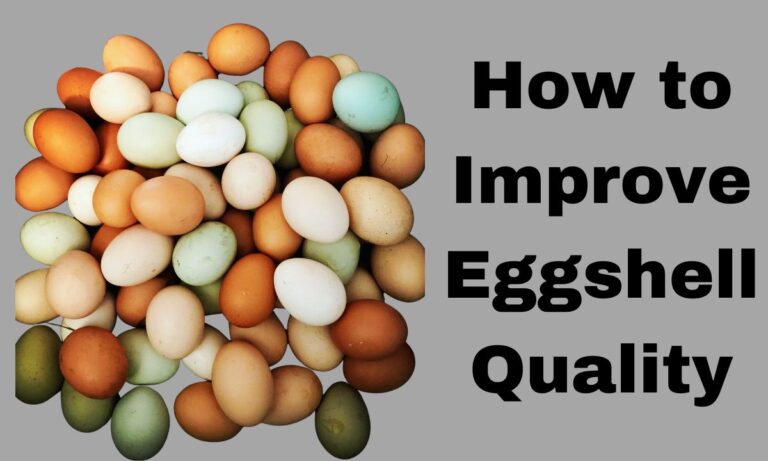
Weak eggshells are not always a simple calcium problem. Check feed intake, heat stress, water, phosphorus, vitamin D, age, egg size, disease and feed quality before adding supplements.

Gumboro can spread quickly through young chickens and weaken immunity. Watch the flock closely and understand the role of vaccination, diagnosis and farm hygiene.

A sick chicken often gives several clues before the problem becomes serious. Check feed, water, droppings, breathing, production and mortality together.

Worms can reduce growth, egg production and flock condition, but routine treatment by calendar can miss the real problem. Check the flock and reduce reinfection.
A layer chart should help you read the flock, not force the flock into one number. Use breeder body weight and feed intake standards as benchmarks, then adjust for heat, feed quality, maturity and actual farm performance.