Feed is the biggest cost in egg production, so knowing how much your hens should eat matters — it tells you whether you're overfeeding (wasting money) or underfeeding (losing eggs). Here's a practical feed intake guide.
1. Daily intake by stage
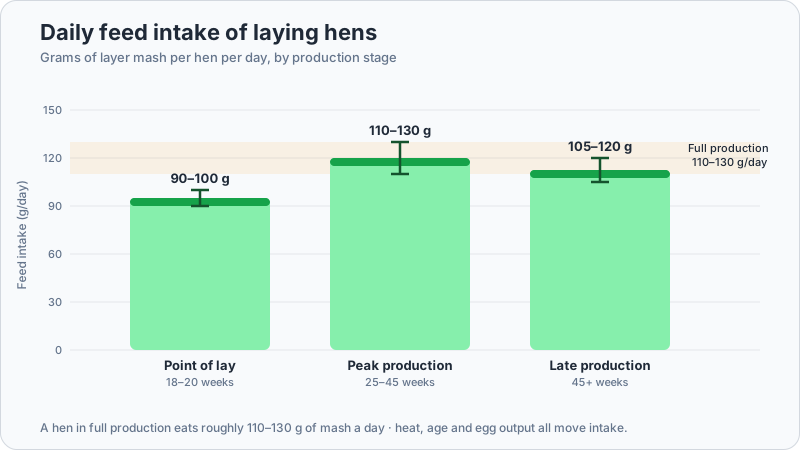
A laying hen in full production eats roughly 110–130 grams of layer mash (ground-up feed mix) a day, depending on her size, age and the temperature. As a planning guide:
- Point-of-lay (hens just starting to lay, 18–20 weeks): ~90–100 g/day, rising as laying begins.
- Peak production (25–45 weeks): ~110–130 g/day.
- Late production (45+ weeks): ~105–120 g/day, declining slowly with egg output.
Use these as planning ranges — heavy breeds eat more, and birds in hot weather eat less.
2. Why intake matters
- Underfeeding — the hen doesn't get enough energy or calcium, so egg production drops and shells thin.
- Overfeeding — wasted feed and fat birds that lay poorly.
3. What changes intake
- Heat — birds eat less in hot weather; feed in the cooler hours.
- Age and weight — bigger, older birds eat more.
- Egg output — peak layers eat the most.
- Feed quality — a balanced mash satisfies at the right amount.
4. Tracking it on your farm
Record how much feed you put out each day and divide by the number of birds. A sudden drop in intake is an early warning of disease or stress; a rise without more eggs means waste. For the full flock picture, see our egg production guide and how to blend cheaper layer feed.
Key takeaways
- A layer eats roughly 110–130 g of mash a day at peak.
- Heat, age and egg output all move intake.
- Track daily intake — a sudden drop warns of trouble.
- Feed the right mash to avoid over- or underfeeding.