Pigs are prolific breeders and fast growers, with strong demand at festive seasons. A sow (adult female pig) can farrow (give birth) roughly twice a year with 8–12 piglets each time, and with good feeding those piglets reach market weight of about 90–100 kg in roughly 6–8 months. Here's how to start without the common beginner mistakes.
1. Why pigs
Pigs turn feed into meat faster than most other livestock. A small, well-managed herd grows quickly because sows farrow often and piglets reach market weight in roughly 6–8 months. Demand is also reliable: pork and pig products sell fast at Christmas, Easter and Eid.
2. Choose your breed
The common breeds are Large White (also called Yorkshire), Landrace, Duroc, Hampshire and the hardy local Nigerian pig. Exotic breeds grow faster and are leaner; the local pig is hardier (tougher and more resistant to rough conditions) and copes better on lower-quality feed. Many small farmers cross a local pig with an exotic breed to get a mix of fast growth and hardiness. See the pig breeds guide for the full picture.
3. Build housing before you buy pigs
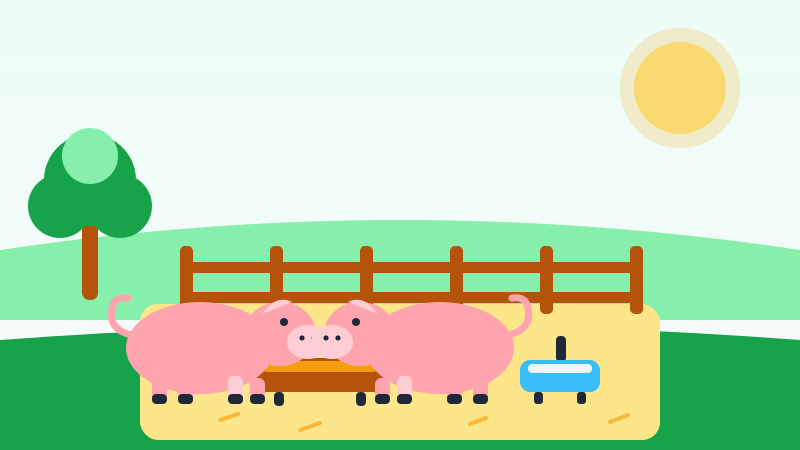
Build the pen before you buy a single pig. Pigs need a dry, well-drained pen with a solid, easy-to-clean floor, shade and space to move. Because pigs cannot sweat, they also need shade and a wallow (a wet, muddy spot to cool off) in hot weather. Get the pig housing guide for exact sizes before you spend anything on pigs.
4. Buying starter stock
Buy your starter pigs (weaners or growers) from a trusted farm or market, and check they look alert, clean and free of coughing or loose droppings. Start small — a few pigs you can feed and house properly beat a big herd you can't manage. Keep new pigs separate for a while before mixing them with your existing stock.
5. Feeding basics
Feed a balanced ration (mixed feed) sized to the pig's stage — young piglets, growing pigs and breeding sows each need different amounts. Always provide clean water. Never feed raw or unprocessed scraps and swill: it can spread African Swine Fever and other diseases. See the feeding guide for stage-by-stage amounts.
6. Health and biosecurity
Biosecurity (the rules that keep disease out) is your cheapest insurance. Limit visitors, don't share feeding equipment, and quarantine (keep apart) new pigs before introducing them to the herd. Watch your pigs daily and act fast on any that stop eating or look dull. See the common pig diseases guide for symptoms and treatment.
7. Selling at the right time
Pigs are ready for market at about 90–100 kg, usually in roughly 6–8 months. Line up buyers — butchers, restaurants and festive-season buyers — before your pigs are ready, and aim to sell when demand is highest (Christmas, Easter and Eid) for the best price.
Key takeaways
- Build housing before you buy pigs.
- Choose a breed that fits your goals and conditions.
- Never feed raw scraps or swill — it can spread African Swine Fever.
- Start small and keep disease out with simple biosecurity.