
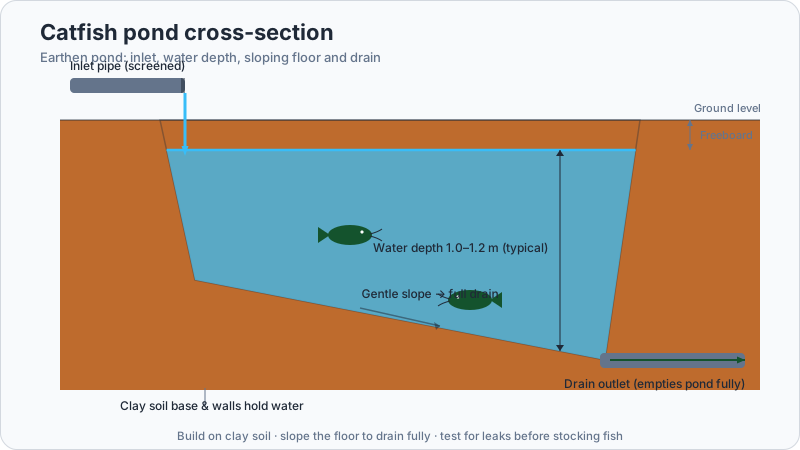
A well-built pond saves you years of trouble. Water leaks, flooding and predators are all cheaper to prevent at construction time than to fix later. Here's how to plan and build a fish pond properly.
1. Choosing the site
- Water source — reliable water (borehole, stream, well) you can top up in the dry season.
- Soil — clay holds water best; sandy soil leaks.
- Drainage — the pond must be able to empty fully for harvesting.
- Access and security — near your house or a watchman, away from low-lying areas that flood.
2. Choosing the pond type
- Earthen pond — cheapest for large volumes, needs clay soil.
- Concrete pond — durable and easy to manage, but costs more upfront.
- Tarpaulin/plastic pond — low-cost and portable, good for small urban farms.
3. Construction basics
- Clear and level the site; mark out the pond area.
- Dig with a gentle slope so water can drain fully at one end.
- Press the base and walls down firmly (for earthen ponds) to reduce leaks.
- Fit a screened inlet (where water comes in) and a drain outlet (where water goes out).
- Fill and leave for a few days to test for leaks before you add fish.
Before introducing fish, treat and prepare the water, then add the right number of fish — see our catfish farming guide for stocking and feeding, and fish diseases and pests for keeping the pond healthy.
Key takeaways
- Pick a site with reliable water, good soil and drainage.
- Earthen, concrete or tarpaulin — match the type to your budget.
- Slope the bottom for full drainage.
- Test for leaks before you add fish.