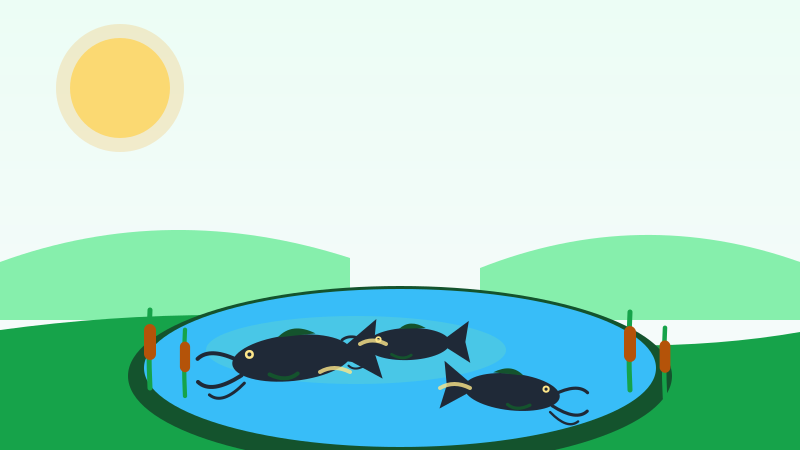
Catfish — specifically the African catfish (Clarias gariepinus) — is one of the most forgiving fish to raise and one of the most in-demand proteins in Nigeria. It grows fast, copes well with a lot of fish in one space, and sells readily. Here's how to start without the common beginner mistakes.
1. Choose your pond system
- Earthen ponds — cheapest when you want a lot of water, but they need land and more care.
- Concrete tanks — durable and easy to clean; higher upfront cost.
- Tarpaulin / mobile ponds — the best starting point for beginners: low cost, quick to set up, easy to move.
Start with tarpaulin or concrete tanks you can fully control before investing in a large earthen pond.
2. Water quality is everything
Fish live in their water, so bad water equals dead fish. Use clean water (with any chlorine removed), watch the temperature, and keep enough oxygen in the water. Change water regularly rather than waiting for it to smell.
3. Stocking (adding fish to your pond): buy good fingerlings (young fish), don't overcrowd
Source fast-growing fingerlings from a trusted hatchery. Keeping too many fish in one space is the number-one cause of fish growing slowly and falling sick — aim for a moderate number (commonly around 10–15 fingerlings per square metre in a well-managed tank) and adjust based on water quality and fish size.
4. Feeding for growth
Feed a good floating pellet (which also lets you see how much they're eating) at the right amount for their size. Feeding too much wastes money and dirties the water; feeding too little slows growth. Feed at a steady routine, and sort fish by size so smaller ones don't lose out to bigger ones.
5. Growth to harvest
With good care, catfish can reach market size (roughly 1 kg and up) in about 4–6 months, depending on the size of the young fish you started with, feed quality and temperature. Sort them regularly, remove the smallest and slowest fish early, and time your harvest for the best market price rather than the first possible day.
6. Selling your fish
Line up buyers before you harvest: live-bird and fish markets, restaurants and pepper-soup joints, and bulk buyers. Selling live or freshly harvested whole fish usually earns the best price for small-scale farmers. For the bigger picture, see the agribusiness opportunities in Nigeria worth watching.
Key takeaways
- Start with tarpaulin or concrete tanks you can control.
- Protect water quality — it decides how many of your fish survive.
- Don't overcrowd; sort fish by size as they grow.
- Plan your market before harvest.