
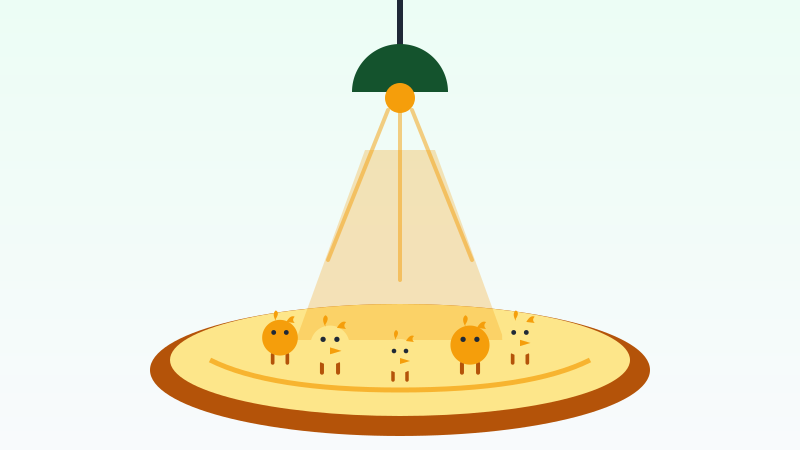
Most chick losses on Nigerian farms happen in the first two weeks — and most of those losses are preventable. Day-old chicks can't regulate their own body temperature, so the brooder (the warm enclosure where you raise them) you build and how you manage it decides whether they live or die. Here's how to get it right.
1. Set up before the chicks arrive
- Prepare a clean, dry, draft-free brooder with fresh litter (bedding — wood shavings work well).
- Start the heat source 24 hours before the chicks arrive so the floor is warm, not just the air.
- Have starter feed and clean drinkers ready, with lukewarm water (a little glucose on day one helps).
2. Temperature — watch the birds, not the thermometer
Start around 32–35 °C under the heat source and reduce by a few degrees each week. The best thermometer is the chicks themselves:
- Huddled under the heat — too cold. Raise the heat.
- Scattered to the edges, panting — too hot. Lower the heat.
- Spread evenly, moving freely — just right.
3. Feed and water from hour one
Offer starter feed and clean water immediately on arrival. A chick that doesn't drink won't eat, and a delayed start shows up as slow growth for the whole cycle. Keep feed and water clean and always available.
4. The mistakes that cause the most chick deaths
- Cold or fluctuating temperature — the biggest killer of young chicks.
- Overcrowding — too many chicks compete for heat, feed and water.
- Wet, dirty litter — a breeding ground for disease.
- Delayed feed or water after arrival.
- Drafts that chill chicks even when the air feels warm.
5. Hygiene during brooding
Keep the brooder clean and dry, change wet litter promptly, and follow the hatchery's vaccination schedule. For the wider picture, see our poultry farm biosecurity guide, and track growth against the broiler feeding and weight chart.
Key takeaways
- Pre-warm the brooder 24 hours before chicks arrive.
- Judge temperature by chick behaviour, not just the thermometer.
- Feed and water from the first hour.
- Cold, drafts and wet litter cause most early losses.